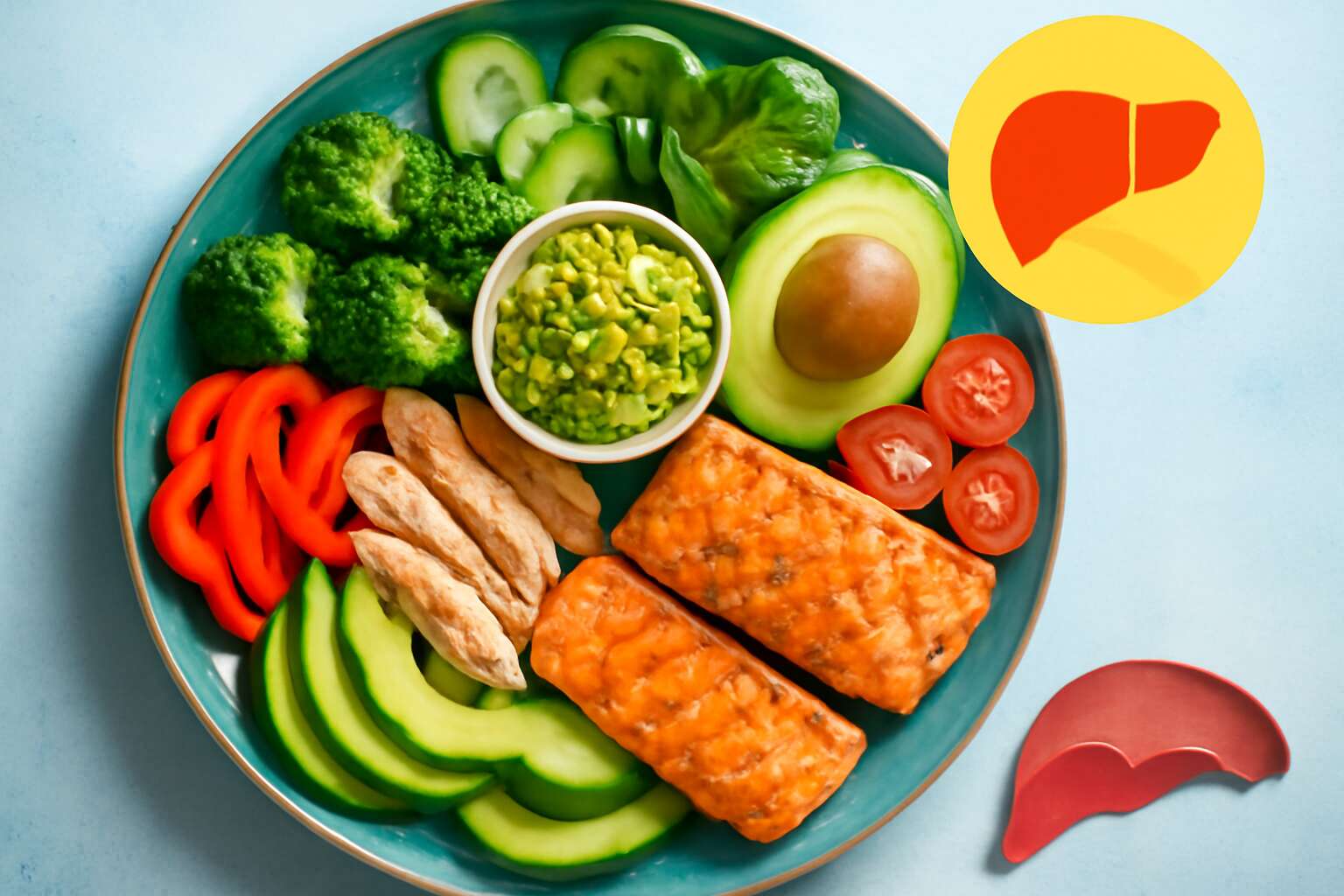
Understanding Fatty Liver Disease
What is Fatty Liver Disease?
Fatty liver disease, often dubbed the silent epidemic of modern times, quietly infiltrates the lives of millions without immediate symptoms. This condition, known medically as hepatic steatosis, involves the accumulation of excess fat within liver cells—a scenario that might sound benign but can escalate to more serious health complications if left unchecked. Interestingly, recent research suggests that lifestyle choices, particularly dietary modifications, could hold the key to reversing this unwelcome buildup.
As the global focus shifts toward healthier living, many wonder: will low carb diet help fatty liver? The answer appears promising. By reducing carbohydrate intake, especially refined sugars and processed grains, individuals may significantly decrease liver fat content. This approach aligns with the body’s natural metabolic tendencies, encouraging the body to burn stored fat rather than storing more. For those seeking a clearer path to liver health, understanding the role of diet in managing fatty liver is crucial.
Types of Fatty Liver Disease
Understanding the nuances of fatty liver disease reveals that not all conditions are created equal. Non-alcoholic fatty liver disease (NAFLD) and alcoholic fatty liver disease (AFLD) are the primary forms, distinguished by their origins but united in their impact on liver health. NAFLD, often linked to metabolic syndrome, involves fat accumulation driven by insulin resistance and obesity—factors that can silently worsen over time. Conversely, AFLD stems from excessive alcohol consumption, creating a different but equally insidious path of liver deterioration.
In the quest to improve liver health, exploring dietary interventions becomes essential. Will low carb diet help fatty liver? It’s a question gaining traction among health enthusiasts and medical professionals alike. Emphasizing a reduction in refined sugars and processed grains, this dietary approach targets the core metabolic disturbances fueling fatty liver. For many, adopting a low carb lifestyle might be the pivotal step toward reversing liver fat accumulation and restoring optimal function.
Symptoms and Risk Factors
In the quiet corridors of our bodies, fatty liver disease often whispers its presence long before any outward sign emerges. Yet, for some, the first overt signal might be a persistent fatigue or a vague discomfort in the upper right abdomen—silent symptoms that mask a brewing storm beneath the surface. Risk factors loom large, especially in communities where lifestyle choices intertwine with genetics, and the line between health and harm blurs. Obesity, insulin resistance, and metabolic syndrome form a treacherous triad, silently fueling the accumulation of fat in the liver’s delicate tissues.
To truly grasp the challenge, one must understand that fatty liver isn’t merely a collection of excess fat—it’s a complex interplay of metabolic disturbances. For many, the question lingers: will low carb diet help fatty liver? The answer is rooted in the intricate dance of glucose and fat metabolism. By reducing carbohydrate intake, especially refined sugars, individuals can diminish the burden on their liver, potentially reversing the cascade that leads to fat buildup. It’s a subtle yet powerful shift—one that can alter the course of this silent affliction.
Health Risks Associated with Fatty Liver
Fatty liver disease silently encroaches on health, often progressing unnoticed until complications arise. The condition is more than just excess fat; it signifies a disruption in the body’s metabolic harmony. When fat accumulates in the liver, it can lead to inflammation, fibrosis, and even cirrhosis if left unchecked. The stakes are high, especially given that fatty liver is now one of the most common liver disorders globally. Understanding the health risks associated with fatty liver reveals a complex web: insulin resistance, elevated blood sugar, and metabolic syndrome are all intertwined, creating a perilous cycle that accelerates liver damage.
Research increasingly points to dietary choices as pivotal in managing and potentially reversing fatty liver. Among these, the question remains: will low carb diet help fatty liver? Evidence suggests that reducing carbohydrate intake, particularly refined sugars, can significantly lessen the fat burden on the liver. This dietary shift not only curtails ongoing fat accumulation but also improves insulin sensitivity, breaking the cycle of metabolic disturbances. It’s a subtle yet potent intervention—one that might turn the tide against this silent yet destructive disease.
The Role of Diet in Managing Fatty Liver
Why Nutrition Matters
In the intricate dance of metabolic health, diet plays a pivotal role—almost like an unseen conductor guiding the symphony of cellular processes. Recent studies reveal that up to 80% of fatty liver cases could potentially be managed or even reversed through targeted nutritional intervention, highlighting the profound influence of what we consume. When considering whether a will low carb diet help fatty liver, it becomes evident that carbohydrate intake directly impacts liver fat accumulation and inflammation.
Reducing carbohydrate consumption, especially refined sugars and starches, can diminish insulin resistance—a key culprit in fatty liver development. This dietary approach encourages the body to tap into fat reserves for energy, fostering a reduction in liver fat deposits. Moreover, embracing a low carb diet naturally promotes a more stable blood sugar level, which is crucial for long-term liver health.
For those contemplating dietary shifts, it’s essential to understand that this approach isn’t solely about restriction but about rebalancing. Incorporating healthy fats, fiber-rich vegetables, and lean proteins can significantly influence liver recovery. So, the question remains—will low carb diet help fatty liver? Evidence suggests it might, especially when combined with broader lifestyle changes that prioritize metabolic harmony and holistic well-being.
Impact of High-Carbohydrate Diets
The impact of high-carbohydrate diets on fatty liver is both profound and insidious, gradually fostering an environment ripe for metabolic imbalance. When the liver is overwhelmed with refined sugars and starches, it responds by increasing fat synthesis, ultimately leading to fat accumulation within hepatic cells. This process not only exacerbates inflammation but also perpetuates insulin resistance, creating a vicious cycle that entrenches the condition.
Research indicates that dietary carbohydrate overload—particularly from processed foods—can significantly influence the progression of fatty liver disease. A low carb diet, centered on reducing refined sugars and starches, appears to interrupt this cycle effectively. By limiting carbohydrate intake, the body shifts to burning stored fat for energy, helping to reduce fat deposits in the liver. This metabolic recalibration can have lasting benefits, especially when paired with nutrient-dense choices such as healthy fats and fiber-rich vegetables.
So, will low carb diet help fatty liver? Evidence suggests that it indeed can. When implemented thoughtfully, a low carbohydrate approach supports the body’s natural ability to detoxify and regenerate, fostering a more resilient and healthier liver. This dietary strategy not only addresses the root causes of fatty liver but also promotes broader metabolic harmony—an essential step in reversing or managing this silent epidemic.
Common Dietary Recommendations for Fatty Liver
In the quest to tame the silent beast of fatty liver, diet emerges as a formidable ally. The right nutritional choices can act as a shield, shielding the liver from further damage and guiding it back to health. Embracing a diet rich in whole, unprocessed foods—think vibrant vegetables, quality healthy fats, and lean proteins—can be transformative. These foods not only nourish but also support the body’s innate ability to repair and regenerate damaged liver tissue.
When considering whether a low carb diet will help fatty liver, it’s essential to focus on reducing refined sugars and starchy foods that fuel fat accumulation. A balanced approach often involves:
- Prioritizing fiber-rich vegetables that promote detoxification
- Choosing healthy fats such as avocados, nuts, and olive oil
- Limiting processed foods and sugary snacks
This dietary pattern encourages the body to burn stored fats for energy, easing the burden on the liver. When combined with mindful eating, it can be a powerful strategy to address fatty liver’s root causes and foster lasting metabolic harmony. Indeed, will low carb diet help fatty liver? Evidence suggests it may well be a crucial piece of the puzzle in restoring liver health and vitality.
Low Carb Diet and Its Potential Benefits for Fatty Liver
How a Low Carb Diet Works
Imagine a dietary approach that not only satisfies your taste buds but also tackles fatty liver head-on. A low carb diet has gained traction in recent years, and for good reason—research suggests it might be a game-changer for those battling fatty liver disease. By reducing carbohydrate intake, especially refined carbs and sugars, you’re essentially cutting off the fuel source that often exacerbates fat accumulation in the liver.
But how exactly does a low carb diet help fatty liver? It promotes fat burning, stabilizes blood sugar levels, and decreases insulin resistance—all of which are crucial in reversing fatty liver. Instead of piling on carbohydrate-heavy meals, you focus on healthy fats, proteins, and fibrous vegetables. This shift not only helps in weight management but also encourages the liver to detoxify and repair itself.
Curiously, many individuals wonder, “Will low carb diet help fatty liver?” The answer depends on the person, but mounting evidence indicates it can significantly improve liver health. Incorporating a low carb approach may be the missing link in restoring vitality and reversing the silent threat of fatty liver.
Effects of Low Carb Diet on Liver Fat
As the battle against fatty liver intensifies, many are turning to a simple yet powerful question: will low carb diet help fatty liver? Emerging research suggests that the answer could indeed be a resounding yes. By drastically reducing carbohydrate intake, especially refined carbs and sugars, the body shifts its energy source from glucose to stored fat, promoting fat loss in the liver. This metabolic switch can unlock significant improvements in liver health, potentially reversing fatty liver effects.
Studies reveal that a low carb diet can lead to a notable decrease in liver fat accumulation. It works by stabilizing blood sugar levels and reducing insulin resistance—key factors that exacerbate fatty liver. For those seeking a natural approach to detoxify and repair their liver, focusing on healthy fats, lean proteins, and fibrous vegetables creates an environment conducive to healing.
- Reduction in carbohydrate intake minimizes the fuel driving fat buildup in the liver.
- Increased consumption of healthy fats supports better energy utilization and cellular repair.
- Stabilized blood sugar levels prevent the spikes that trigger insulin surges, which worsen fatty liver.
While individual responses vary, mounting evidence indicates that a low carb diet holds promising potential in alleviating fatty liver effects. This dietary shift might just be the key to unlocking renewed vitality and reclaiming liver health in those affected by this silent condition.
Scientific Studies Supporting Low Carb Diets for Fatty Liver
Scientific studies increasingly reveal that adopting a low carb diet can be a game-changer for those battling fatty liver disease. Research published in reputable journals demonstrates that reducing carbohydrate intake—particularly refined sugars and processed foods—can significantly diminish liver fat accumulation. This dietary approach prompts a metabolic shift, encouraging the body to burn stored fat for energy instead of relying on glucose, which often fuels fatty liver progression.
In clinical trials, participants who embraced a low carb diet experienced notable improvements in liver health. One study observed a decrease in liver fat content by up to 30% after just a few months. The mechanism behind this is rooted in stabilizing blood sugar and insulin levels, key players in fatty liver development. By emphasizing healthy fats, lean proteins, and fibrous vegetables, a low carb diet creates an environment where the liver can begin to heal and restore its natural function.
Comparison of Low Carb Diet with Other Dietary Approaches
When comparing dietary approaches for fatty liver management, the low carb diet stands out as a compelling option. Unlike traditional high-carb diets, which often exacerbate insulin resistance and promote liver fat accumulation, a low carb diet shifts the body’s metabolic focus. By reducing carbohydrate intake, especially refined sugars and processed foods, the body begins to burn stored fat more efficiently, potentially reversing some of the damage caused by fatty liver disease.
While other diets like low-fat or Mediterranean plans have their merits, the low carb approach directly targets the root metabolic disturbances associated with fatty liver. For example, a low carb diet naturally stabilizes blood sugar levels, decreasing insulin spikes that drive fat buildup in the liver. This targeted effect can lead to more pronounced improvements in liver health compared to some conventional diets.
- Emphasizing healthy fats and lean proteins helps reduce inflammation.
- Fibre-rich vegetables support detoxification and gut health.
- Eliminating refined sugars diminishes liver fat accumulation.
In essence, the question of whether will low carb diet help fatty liver is supported by growing evidence—making it a promising strategy for those seeking a sustainable, healthful transformation.
Implementing a Low Carb Diet for Fatty Liver Management
Foods to Include
When it comes to tackling fatty liver, the question isn’t just “will low carb diet help fatty liver?”—it’s also about how you can make it work for you. Cutting back on those sneaky carbs like bread, pastries, and sugary drinks can be a game-changer. Instead, focus on nourishing your body with foods that promote liver health and help shed excess fat. Think of it as giving your liver a well-deserved spa day, minus the cucumber slices and cucumber-infused water.
Foods to include in a low carb diet for fatty liver management are rich in healthy fats and lean proteins. Incorporate items like avocados, nuts, seeds, and oily fish such as salmon or mackerel. Vegetables—especially leafy greens and cruciferous varieties—are also excellent choices, providing fiber and antioxidants without adding to the carb count. For those wondering whether a low carb diet will help fatty liver, the answer is often yes, especially when paired with a balanced approach and regular exercise.
- Lean meats like chicken and turkey
- Low-carb vegetables such as spinach, broccoli, and zucchini
- Healthy fats from olive oil or coconut oil
Making these dietary shifts not only curtails the influx of excess glucose but also encourages your body to burn stored fat, including that stubborn liver fat. So, if you’re pondering whether a low carb diet will help fatty liver, the evidence suggests it could be a powerful tool in your health arsenal—especially when combined with lifestyle tweaks that support liver detoxification and metabolic health.
Foods to Avoid
When considering whether a low carb diet will help fatty liver, it’s crucial to recognize the foods that sabotage your efforts. Certain items can exacerbate liver fat accumulation, undermining any progress made through dietary changes. The key is to avoid foods that cause spikes in blood sugar and promote fat storage. This includes refined grains, sugary snacks, and beverages that are packed with hidden sugars. These culprits are often sneaky—hidden in processed foods, breakfast cereals, and even seemingly healthy smoothies.
To truly support liver health, steer clear of:
- White bread and pastries
- Sweets like candies and cookies
- Sugar-sweetened beverages and sodas
- Refined pasta and rice
Reducing or eliminating these foods aligns perfectly with the low carb approach, offering your body a chance to burn stored fat more effectively. When combined with mindful eating habits and physical activity, this dietary shift can significantly impact whether a low carb diet will help fatty liver—potentially reversing or halting its progression.
Meal Planning Tips
Embarking on a low carb diet for fatty liver management is like stepping into a realm where your body transforms into a finely tuned engine, burning fat rather than storing it. To make this journey successful, careful meal planning is essential—each bite should be a deliberate step toward healing. Incorporating a variety of nutrient-dense, low carbohydrate foods not only supports liver health but also keeps your palate satisfied and energized.
One effective strategy is to prepare your meals in advance, ensuring that your daily intake aligns with low carb principles. Focus on including plenty of vegetables, healthy fats, and lean proteins, which help stabilize blood sugar levels and reduce liver fat. To streamline your choices, consider creating a weekly meal plan that emphasizes these components, making it easier to stay committed and avoid temptation.
Here’s a simple approach to meal planning:
- Choose non-starchy vegetables like spinach, kale, and zucchini
- Incorporate quality protein sources such as fish, chicken, or eggs
- Use healthy fats from avocados, nuts, and olive oil
By consistently following these guidelines, you’ll find that will low carb diet help fatty liver become not just a hope, but a tangible reality—turning the tide against this condition with every mindful meal.
Potential Challenges and How to Overcome Them
Transitioning to a low carb diet to help manage fatty liver can present unforeseen hurdles. The shift in eating habits might trigger cravings for familiar comfort foods, making adherence a challenge. It’s essential to recognize these moments and develop strategies to stay motivated—perhaps by exploring delicious low carb alternatives that satisfy your palate without compromising your health goals.
One common obstacle is social pressure, especially during gatherings or meals with friends and family. To overcome this, plan ahead by bringing your own low carb dishes or politely guiding conversations towards health-conscious choices. Remember, consistency is key—the body gradually adapts, and the initial discomfort often gives way to renewed vitality.
For many, the transition involves navigating the fine line between dietary discipline and flexibility. Employing a structured approach—such as an ordered list of manageable steps—can facilitate this process:
- Identify your triggers and replace high-carb temptations with nutrient-rich alternatives.
- Keep a food journal to track progress and recognize patterns that may hinder your journey.
- Seek support through community or professional guidance to sustain motivation.
By understanding potential challenges and cultivating resilience, you enhance the likelihood that will low carb diet help fatty liver becomes a sustainable, life-affirming reality. The path may be winding, but each mindful choice brings you closer to reclaiming your health and vitality.
Consulting Healthcare Professionals
Importance of Medical Advice
Consulting healthcare professionals is an essential step before making any significant dietary changes, especially when considering whether a low carb diet will help fatty liver. Medical advice ensures that the intervention is tailored to your specific condition, reducing the risk of potential complications. Fatty liver disease can vary greatly in severity, and a healthcare provider can help determine the most appropriate approach based on individual health factors.
Furthermore, a qualified medical professional can monitor progress and adjust treatment plans as needed, providing reassurance along the journey to liver health. It’s tempting to jump straight into dietary trends, but expert guidance guarantees safety and maximizes the likelihood of success. Remember, every person’s health profile is unique, and what works for one might not be suitable for another.
- Proper diagnosis and assessment
- Personalized dietary recommendations
- Monitoring liver function and overall health
Engaging with healthcare professionals ensures that questions about will low carb diet help fatty liver are answered with evidence-based insights, fostering a safe and effective path toward liver wellness.
Monitoring Liver Health
Monitoring liver health through regular consultations with healthcare professionals is an essential component of any dietary intervention aimed at combating fatty liver. The intricacies of liver function and the subtle progression of fatty liver disease demand expert oversight, especially when considering whether a low carb diet will help fatty liver. An experienced medical provider can interpret liver function tests accurately, ensuring that dietary changes are both safe and effective.
Engaging with healthcare professionals not only provides reassurance but also offers the opportunity for personalized dietary recommendations tailored to your unique health profile. They can conduct assessments that delve into underlying factors influencing fatty liver, such as insulin resistance or metabolic syndrome. Moreover, healthcare providers can monitor progress through imaging and blood tests, adjusting treatment plans as needed to optimize outcomes.
As you explore whether will low carb diet help fatty liver, remember that expert guidance transforms a well-intentioned dietary shift into a scientifically grounded strategy, safeguarding your journey toward restored liver health.
Personalized Dietary Plans
Embarking on a journey to combat fatty liver requires more than just dietary adjustments; it demands the wisdom of healthcare professionals who can craft personalized plans tailored to your unique metabolic landscape. When pondering whether will low carb diet help fatty liver, consulting a medical expert becomes an indispensable step. Their expertise ensures that dietary changes align with your liver’s specific needs and overall health status.
By engaging with a healthcare professional, you open the door to targeted interventions that address underlying issues such as insulin resistance or metabolic syndrome. They can recommend a sequence of assessments—like liver function tests and imaging—that track your progress accurately. This personalized approach not only enhances safety but also boosts the likelihood of meaningful improvement.
In the quest to determine if will low carb diet help fatty liver, remember that expert guidance transforms a promising idea into a scientifically grounded strategy. Healthcare providers serve as navigators on this voyage, helping you avoid pitfalls and optimize outcomes at every turn.
Additional Lifestyle Changes to Support Liver Health
Regular Exercise
Incorporating regular exercise into your lifestyle can be a game-changer for liver health, especially when managing fatty liver disease. Physical activity aids in reducing liver fat, improving insulin sensitivity, and boosting overall metabolic function. It’s not just about hitting the gym; even daily activities like brisk walking or cycling can make a significant difference. Exercise stimulates the body’s ability to burn stored fat more efficiently, which is crucial for those wondering, will low carb diet help fatty liver.
Moreover, engaging in a mix of aerobic exercises and resistance training enhances muscle mass, which in turn supports better glucose regulation and lipid metabolism. For individuals with fatty liver, consistency is key. You might consider creating a weekly routine that includes activities you enjoy—this makes it easier to stick with long-term. Remember, a holistic approach that combines dietary changes with physical activity offers the best chance for reversing fatty liver and reclaiming vibrant health.
Weight Management
In the shadowed corridors of health, weight management emerges as the key to unlocking a healthier liver. For those pondering, will low carb diet help fatty liver, understanding the role of lifestyle shifts is paramount. Maintaining a balanced weight reduces the burden on your liver’s fragile tissues, preventing further deterioration.
Adopting mindful habits can amplify these effects. Incorporate stress-reducing practices such as meditation or gentle yoga, which can lower cortisol levels that often exacerbate metabolic imbalances. Additionally, ensuring adequate sleep each night supports liver detoxification and overall metabolic harmony. A structured approach might include:
- Prioritizing sleep hygiene
- Limiting alcohol consumption
- Managing stress through relaxation techniques
Ultimately, a holistic lifestyle—combining dietary choices, physical activity, and stress management—can foster a resilient liver capable of healing. The question, will low carb diet help fatty liver, finds its answer not just in food but in the symphony of habits that nurture health from the shadows within.
Limit Alcohol Consumption
When it comes to supporting liver health, limiting alcohol consumption is a no-brainer—no ifs, ands, or buts. Excess alcohol is a surefire way to overwhelm your liver’s delicate detox systems, turning a manageable fatty liver into a full-blown crisis. It’s like adding fuel to a fire that’s already smoldering. For those wondering, will low carb diet help fatty liver, cutting back on alcohol is an essential piece of the puzzle. Alcohol not only increases fat accumulation in the liver but also hampers its ability to repair itself, making lifestyle adjustments all the more critical.
To make the journey smoother, consider these practical steps:
- Set clear boundaries—limit alcohol intake to occasional, moderate indulgences.
- Opt for alcohol-free days to give your liver a much-needed break.
- Replace alcoholic drinks with hydrating alternatives like infused water or herbal teas.
Remember, reducing alcohol isn’t just about avoiding hangovers; it’s about giving your liver the best chance to heal and thrive. So, when pondering whether will low carb diet help fatty liver, don’t forget that a comprehensive approach includes cutting out alcohol—because a healthier liver is a happier, more resilient one.
Other Holistic Approaches
Supporting liver health extends beyond dietary choices; it’s a holistic journey that involves nurturing the body through mindful lifestyle changes. Incorporating stress reduction techniques such as meditation or yoga can significantly ease the burden on your liver, helping it to repair and regenerate more effectively. Sleep quality is another critical factor—aiming for deep, restorative rest allows the liver to perform its vital detoxification processes without interruption.
Physical activity also plays a pivotal role. Regular exercise not only aids in weight management but also improves insulin sensitivity, which is crucial for combating fatty liver. For those seeking to optimize their efforts, consider integrating a combination of aerobic and resistance training—this dual approach can amplify the benefits of a low carb diet in helping to reduce liver fat.
In addition, natural remedies like herbal teas—such as milk thistle—have been revered for centuries for their hepatoprotective properties. While these should complement, not replace, medical treatment, they can be a gentle ally in your journey towards better liver health.
- Prioritize quality sleep to enhance the liver’s natural detox pathways.
- Engage in consistent physical activity to boost metabolic efficiency.
- Incorporate stress management practices to reduce hormonal imbalances affecting the liver.
All these lifestyle adaptations, combined with a well-considered diet, create a symphony of support that can significantly influence whether will low carb diet help fatty liver. It’s a testament to how interconnected our habits are with our health’s resilience—an elegant dance of healing that beckons us to embrace change with grace and purpose.



0 Comments