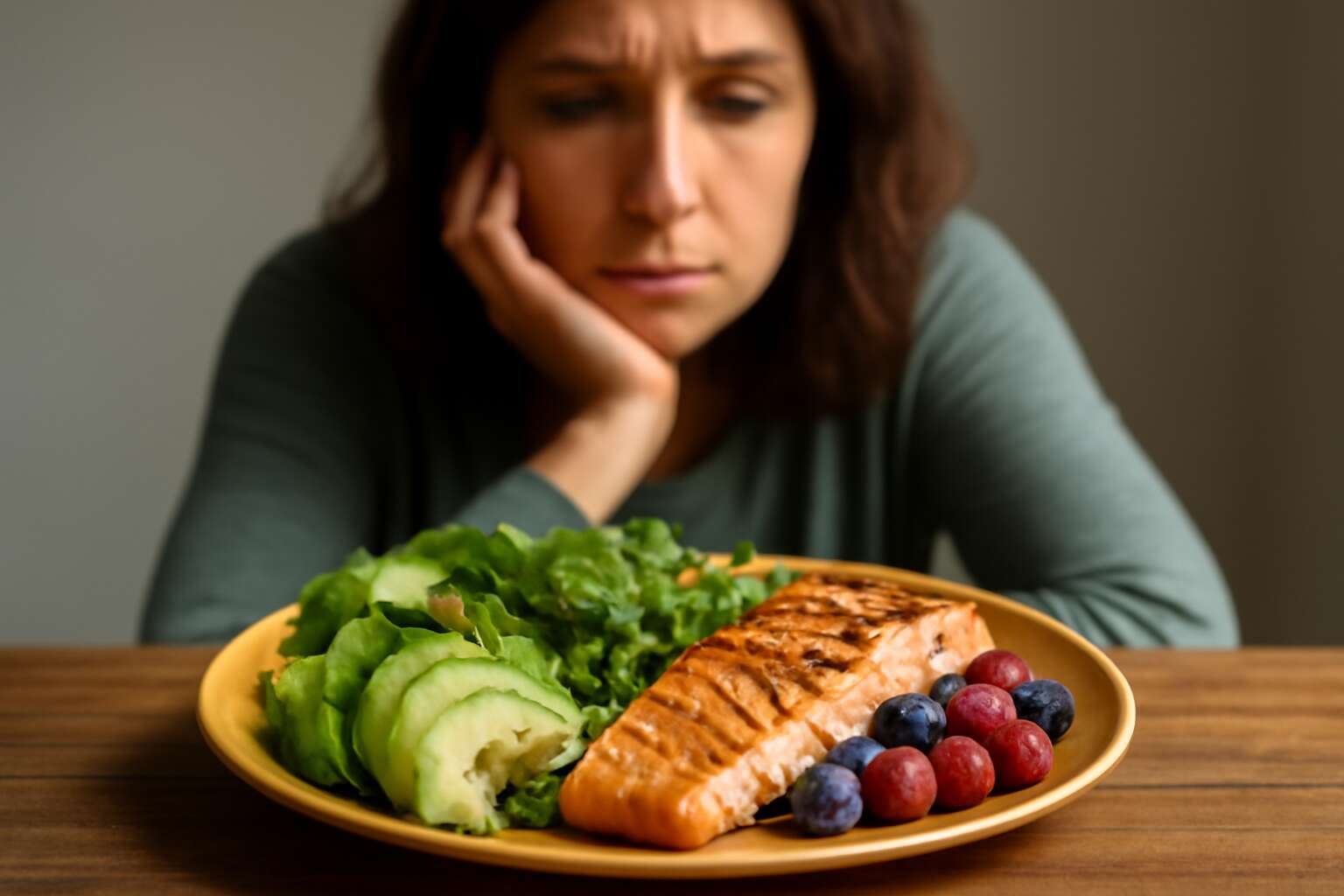
Understanding the relationship between low carb diets and mood
What counts as a low carb diet and common variations
Across South Africa’s dusty roads and bright kitchen tables, meals carry more than fuel—they shape how we wake, work, and weather the day. A sudden change in eating can touch mood in surprising ways, turning ordinary hours into a quiet ache or a spark of clarity.
Understanding what counts as a low carb diet helps map the terrain, since many variations exist. People wonder, can low carb diet cause depression, and how steady is mood when meals shift.
- Keto: Very low carb, high fat
- LCHF: Low carb, high fat with moderate protein
- Atkins: Phased reduction with gradual reintroduction
Beyond macros, mood rides on sleep, routine, and the rituals of shared meals—elements that don’t fit a neat chart. In both rural halls and city kitchens, the body speaks in energy and emotion, a reminder that the truth is rarely simple.
Overview of mood and mental health basics
“Mood isn’t just in your head—it’s on your plate.” In South Africa, many notice mood shifts when daily meals and routines change. Understanding the relationship between low carb patterns and mood starts with the basics of mental health: sleep quality, stress resilience, and steady energy.
People ask can low carb diet cause depression? The question frames a real concern. When carbohydrate intake drops, energy swings and neurotransmitter balance can shift, nudging mood toward irritability or fog. Effects vary with protein, micronutrient intake, hydration, and total calories.
Beyond macros, mood moves with energy balance and cognitive clarity. Neurochemical responses and overall intake shape how people feel day to day in a South African context.
- Sleep quality
- Daily routine
- Social meals
Why diet changes can impact mood differently among individuals
In South Africa, a plate can be a mood instrument, ticking like a metronome through the day. I hear the question many ask: can low carb diet cause depression, and the reply is rarely simple—mood weaves through energy, sleep, and social routine as much as calories.
Understanding this relationship means looking beyond macros. I see how differences in protein balance, micronutrient status, hydration, and total intake drive how someone feels when carbs change. Consider these axes:
- Protein distribution across meals
- Vitamins and minerals for neurotransmitter synthesis
- Fluid and electrolyte needs
Even with a steady plan, mood shifts can emerge from stress, circadian disruption, or disrupted routines; the landscape remains intimate, shaped by life in the rainbow nation.
How mood symptoms may present on different low carb approaches
Food is mood in motion—a colorfully stubborn truth that South Africans feel in real time as a plate empties and a day unfolds. The question “can low carb diet cause depression” surfaces often, and the answer isn’t a tidy yes or no; mood drifts with energy, sleep, and routine as surely as calories do.
Across ketogenic, standard low-carb, or cyclical approaches, mood symptoms may manifest differently. Look to these axes: protein distribution across meals, micronutrient status for neurotransmitter synthesis, and fluid and electrolyte balance, all shaping how the brain wires signals when carbs shift.
Symptoms often arrive as energy dips, sleep nudges, or social routine disruption—more nuance than a single label.
- Fatigue after restricted days
- Irritability or mood lags in the late afternoon
- Sleep disturbances or altered circadian timing
- Withdrawal from shared meals
Defining time frames: short-term vs long-term mood effects
In the quiet crucible of a new eating pattern, the mind negotiates with the plate. A storyteller’s proverb lingers: the brain dances to the rhythm of meals. The question can low carb diet cause depression sits at the crossroads of biology and habit, not a tidy yes or no but a shifting spectrum!
Short-term mood shifts can unfold within days: energy dips, sleep nudges, and irritability around late afternoon. Long-term effects hinge on micronutrient balance, electrolytes, and routine—especially in South Africa’s diverse homes where meal timing and access shape daily mood.
- Short-term: energy dips, irritability, social withdrawal
- Long-term: nutrient adequacy, circadian rhythm alignment, stress resilience
The distinction between days and seasons of change helps readers navigate what mood means when carbs recede from the plate.
Biological mechanisms linking carbohydrate intake and mood
Brain energy metabolism and ketosis considerations
Biology offers a practical lens on mood: the brain runs on energy, and the fuel we choose shapes its tempo. When carbohydrate intake is steady, glucose powers neural circuits with precision; step down carbs and the liver produces ketone bodies to keep neurons humming! This energy shift can ripple through mood and stress responses as pathways adapt to fuel availability.
Ketosis invites a different metabolic rhythm, and brain energy metabolism responds in nuanced ways. For South Africans, dietary patterns and access to carbs shape how this lands. Some notice sharper focus or steadier moods, while others experience fatigue as recalibration continues. This raises the question: can low carb diet cause depression, becoming meaningful when energy stability wanes or hunger signals rise, reminding us that each brain negotiates fuel differently.
- Glucose vs ketosis for brain fuel
- Neurotransmitter precursors
Ultimately, mood and energy intertwine—what we eat, sleep, expect shapes how we feel.
Neurotransmitter synthesis and nutrient adequacy on low carb plans
Night gathers over the pantry, and the brain’s engine whispers for fuel. Some readers ask can low carb diet cause depression, and the answer hinges on neurotransmitters and micronutrients. When carbohydrates thin, the brain leans on ketones, yet mood still depends on amino acids that assemble serotonin, dopamine, and acetylcholine. Energy stability and nutrient adequacy become quiet fulcrums in a South African kitchen where meals drift with season and access—a recalibration that can sway mood in subtle, measurable ways.
Biological mechanisms link carbohydrate intake to mood through neurotransmitter synthesis and nutrient adequacy on low carb plans.
- Tryptophan supports serotonin
- Tyrosine supports dopamine and norepinephrine
- Choline supports acetylcholine
Protein quality, micronutrient balance, and gut health steer how smoothly these routes operate. Mood follows the tempo of fuel—shaped by the plate, not by fear of a single label.
Influence of micronutrients and hydration on mood
A South African kitchen whispers with mood as much as taste, and a striking stat lingers: one in five people notice mood shifts tied to what they eat.
Biological mechanisms tie carbohydrate intake to mood via neurotransmitter precursors and hydration. When carbs dip, the brain uses ketones, yet mood still hinges on amino acids that build serotonin, dopamine, and acetylcholine. The question: can low carb diet cause depression? The answer rests in micronutrient balance and hydration. Tryptophan supports serotonin; Tyrosine supports dopamine; Choline supports acetylcholine.
Protein quality, micronutrient balance, and gut health steer how smoothly these routes operate.
- Hydration and electrolyte balance as mood moderators
- Protein quality and essential amino acid availability
- Micronutrient density, including B vitamins and minerals
- Gut health and microbial signaling
Hormonal responses and stress pathways
Biological mechanisms tie carbohydrate intake to mood through neurotransmitter precursors and hydration. When carbs dip, the brain relies more on ketones, but mood still hinges on amino acids that build serotonin, dopamine, and acetylcholine. The burning question: can low carb diet cause depression? The answer lies in micronutrient balance and hydration—especially tryptophan, tyrosine, and choline.
Key hormonal responses and stress pathways shape how the brain translates energy status into mood:
- Insulin signaling governs amino acid entry to the brain, influencing mood-related neurotransmitters.
- HPA axis activity links stress and cortisol with carbohydrate availability.
- Gut-brain signaling via microbiota-derived metabolites modulates neurotransmitter balance.
Individual variability: genetics and metabolic state
In quiet labs and South African kitchens, mood follows the grain of what we eat. The question can low carb diet cause depression stays alive in every pantry debate, because the answer hinges on delicate biochemical balance.
Biological mechanisms tether carbohydrate intake to mood: insulin gates amino acids to the brain, HPA axis murmurs with cortisol, and gut signals shape neurotransmitter balance. When carbs fluctuate, mood shifts amid tryptophan, tyrosine, and choline, while hydration quietly supports this delicate exchange.
- Insulin gates amino acids across the blood–brain barrier
- HPA axis links cortisol with carbohydrate availability
- Gut microbiota metabolites modulate neurotransmitters
Individual variability matters: genetics tint transporter efficiency and metabolic state, so two people on the same plan may feel different moods.
- Genetics
- Metabolic state
Thus, the mood-leaning maze remains a personal nebula, coloured by nutrients and hydration.
Inflammation and gut-brain axis interactions with diet
From Cape Town kitchens to Johannesburg workspaces, inflammation and mood move in step with the carbs we crave. The line of inquiry—”can low carb diet cause depression”—centers on how diet stirs inflammatory signals and gut communication that reach the brain.
Inflammation can ripple into neurotransmitter signaling, while gut microbes send mood-modulating messages through metabolites and neural pathways.
- Inflammation nudges neurotransmitters, influencing mood states such as irritability and fatigue.
- Gut–brain axis signals travel via the vagus nerve and microbial metabolites, linking diet to emotion.
- Microbiome balance and hydration shape the brain’s mood circuitry.
Hydration and a robust, balanced microbiome act as quiet guardians of emotional equilibrium on any low-carb plan.
Evidence and research landscape on diet and depression
Clinical studies evaluating mood changes on low carb diets
Across randomized trials and observational studies, mood outcomes on low-carb regimens are not uniform. Researchers increasingly ask can low carb diet cause depression, and the answers reveal nuance: some participants report short-term mood bumps, while others show stable or improved affect when calories and micronutrients are adequate.
- Randomized trials often show transient mood shifts in the first weeks of strict carbohydrate restriction.
- Longer studies suggest mood stability or modest improvements when energy intake and micronutrients are sufficient.
- Meta-analyses emphasize heterogeneity across populations, tools, and adherence, highlighting the need for standardized mood measures.
Across regions, including South Africa, the evidence landscape is evolving: mood is shaped by energy balance, sleep, gut health, and metabolism. Researchers note that carbohydrate source and fortification practices can influence mood responses, underscoring the need for context when interpreting study results.
Limitations and biases in diet-depression research
Evidence and research landscape on diet and depression is jagged, not linear. Mood data flicker like candlelight in a storm—no single verdict yet. Researchers increasingly ask can low carb diet cause depression, and the answers reveal nuance: some studies show transient mood bumps, others show stability when calories and micronutrients are adequate. Across randomized trials and observational work, mood effects vary by population, adherence, and mood assessment tools.
Limitations shape the picture: short study windows, small samples, and reliance on self-reported mood can distort conclusions. Confounding factors—sleep, energy balance, gut health, micronutrient status—muddy attribution to carbohydrate restriction. In South Africa and beyond, publication bias and differences in dietary assessment methods further complicate comparisons.
- Measurement variability in mood scales
- Adherence and reporting biases
- Confounding lifestyle factors
- Regional fortification and dietary differences
Comparisons with other dietary patterns (e.g., Mediterranean, plant-based)
Across South Africa, mood disorders affect roughly one in six adults at some point in life, a sobering reminder that nutrition and mood are tightly braided. The question of can low carb diet cause depression sits at the heart of a nuanced evidence landscape. Some trials report short-lived mood fluctuations after carbohydrate restriction, while others find mood stability when calories and micronutrients are adequate. Across randomized trials and observational studies, mood effects vary by population, adherence, and assessment methods.
Comparisons with other dietary patterns show a similar tapestry: some Mediterranean and plant-based studies hint at neutral or modest mood effects, while others drift toward improvement when diet quality rises. The following snapshots offer a sense of the landscape:
- Mediterranean patterns often align with stable mood and better satiety in certain cohorts
- Plant-based diets occasionally associate with improved mood, potentially linked to micronutrients and fiber
- Low carb remains heterogeneous, shaped by fat quality, hydration, and nutrient density
What patient reports suggest about mood changes
Across the landscape of mood research, the question can low carb diet cause depression threads through with a delicate, unsettled bloom. In South Africa and beyond, trials yield a mosaic: some participants report fleeting mood dips during carbohydrate restriction, while others ride steadier when calories, fat quality, and micronutrients align. Across randomized trials and observational studies, mood effects hinge on adherence, population, and how mood is measured.
Patient reports illuminate the complexity: some describe short-lived irritability during strict carb cuts, while others credit better focus and calmer days when hydration and nutrient adequacy are maintained. The human story mirrors the science—outcomes vary with meal timing, sleep, and stress.
- Short-lived irritability during carb withdrawal in some individuals
- Calmer days when hydration and micronutrient adequacy are maintained
- Outcome variability tied to adherence, total caloric intake, and life stressors
How to critically assess study quality and applicability to real life
Mood research on diet is a mosaic. A synthesis shows effects range from subtle shifts to no change. can low carb diet cause depression? The question lingers, shaped by adherence, energy balance, and micronutrient sufficiency.
In the evidence landscape, study quality often matters more than the headline direction. Look for mood measures, study duration, and whether calories are controlled; the rest is noise.
To gauge how studies translate to everyday life, researchers weigh several factors:
- Sample size and statistical power
- Long enough follow-up to observe mood changes
- Calorie matching or energy balance control
- Validated mood instruments used
- Clear adherence data and dropout context
Real-world applicability in South Africa hinges on nutrient adequacy, hydration, and food access—factors that can trump labels on a diet plan.
Gaps in current evidence and what to watch for in future research
Mood research on diet remains a mosaic. Across trials, results tilt from subtle mood shifts to no change. The central question is: can low carb diet cause depression. Adherence, energy balance, and micronutrient sufficiency shape outcomes far more than headlines. In the evidence landscape, study quality matters more than direction, with mood instruments and study duration guiding interpretation.
Gaps to watch for in future research include:
- Population diversity and context gaps
- Short-term designs over long-term outcomes
- Inconsistent mood assessment tools
- Lack of calorie-matching in trials
- Underreporting adherence and dropout context
- Real-world factors: hydration and micronutrients
Future research should push longer follow-ups, larger diverse samples, and transparent adherence reporting. In South Africa, nutrient access and hydration are real-world moderators that must be tracked.
Practical guidance for maintaining mental well-being on a low carb plan
Strategies to monitor mood and energy levels
“Mood is the echo of what we eat,” a South African clinician once told me, and that line lands with surprising clarity. The question can low carb diet cause depression has become a quiet chorus in kitchens and clinics, because shifting carbs can tilt energy, focus, and emotional steadiness. For some, ketosis and blood sugar swings are a gentle tide; for others, quiet gaps in hydration or micronutrients can amplify mood swings.
“Practical guidance here centers on rhythm and listening. Build a pattern that respects sleep, hydration, and nutrient variety, and tune in to how mood shifts align with meal timing and activity. Strategies to monitor mood and energy levels involve noticing recurring patterns over days or weeks and seeking professional input when mood concerns persist.
In SA communities, dietary diversity invites personalized care that translates mood signals into balanced choices.
Nutrient-dense low carb sources to support mood
“Mood is the echo of what we eat,” a South African clinician told me, and the truth lands with surprising clarity. On a low-carb path, intention steers the mind as much as plates steer energy and emotion.
Practical guidance centers on rhythm and listening: consistent sleep, steady hydration, and a broad micronutrient palette anchor mood. can low carb diet cause depression? Not if electrolytes, fiber, and minerals are kept in balance and meals align with activity. Monitor mood patterns over days, seek professional input when unease persists.
Nutritional foundation for mood starts with the plate; nutritious, low-carb foods that support mood include the following staples:
- Eggs and dairy or fortified alternatives
- Fatty fish such as salmon or sardines
- Leafy greens and colorful vegetables
- Avocados, olives, and healthy fats
- Seeds, nuts, and berries in mindful portions
With these choices, meals become rituals that nourish rather than punish.
When to adjust the diet or seek professional help
Mood is the echo of what we eat, a South African clinician reminds, and on a low-carb path that echo can shape energy, focus, and sleep in surprising ways. The idea is to treat meals as signals as much as sustenance—the map that guides daily life.
Practical guidance centers on rhythm and listening: consistent sleep, steady hydration, and a broad micronutrient palette anchor mood. The question can low carb diet cause depression deserves thoughtful consideration, especially when electrolytes and fiber drift out of balance and activity shifts with energy needs.
- Monitor mood patterns across days rather than isolated moments.
- Observe how sleep, activity, and appetite align with meals.
- Seek professional input if unease persists or disrupts daily functioning.
In this frame, meals become rituals that nourish mood, not tests of discipline—keeping the journey hopeful and sustainable.
Gradual transition and personalization considerations
“Mood is the echo of what we eat,” a South African clinician reminds us, and on a low-carb path that echo can reshape energy, focus, and sleep. The question can low carb diet cause depression deserves thoughtful consideration, especially as electrolytes drift and activity shifts with changing energy rhythms. A gradual transition and personalization keep the journey humane and hopeful, rather than punitive.
Practical guidance centers on listening to your body rather than policing every bite:
- Sleep quality and consistency as a mood barometer
- Hydration and electrolyte balance to support neural function
- Micronutrient variety, fiber, and gut-friendly foods for steady energy
These observations invite a flexible approach—tuning plans to personal rhythms and seeking input when mood drift disrupts daily life.
Balancing sleep, exercise, and stress management with dietary changes
Mood is a dashboard, and the plate can twitch the needles. In South Africa, roughly one in three adults notices mood shifts within days of tweaking what they eat—a sober reminder that diet and temperament travel in the same luggage. This issue—can low carb diet cause depression—belongs in a wider, nuanced conversation about energy, sleep, and neurology.
- Regular sleep patterns as a mood barometer
- Hydration and mineral balance for steady neural signaling
- Nutrient-dense, fiber-rich low-carb options to support energy stability
Beyond sleep and hydration, the story invites gentle movement and stress-aware practices that fit your routine—without shaming the cravings.
Tools and resources for tracking mood and nutrition
In South Africa, the question lingers at dinner tables and doctors’ desks: can low carb diet cause depression? Mood often follows energy, sleep, and nourishment, weaving a tapestry that can shift with dietary tweaks. The exploration is less about certainty and more about mindful monitoring. Many wonder: can low carb diet cause depression.
Practical guidance for maintaining mental well-being on a low carb plan invites observation over prescription: notice mood shifts alongside rest, hydration, and steady meals, and seek balance in core nutrients that support nervous system stability.
Tools and resources for tracking mood and nutrition include:
- Digital mood trackers and journaling apps
- Food and hydration logs with electrolyte checks
- Regular check-ins with a clinician or nutrition coach
Together, these supports keep energy and sleep rhythms in view, allowing the broader conversation around mental health and diet to stay grounded in experience and evidence.




0 Comments