Foundations of Low Carb and Keto
What defines a low carb diet?
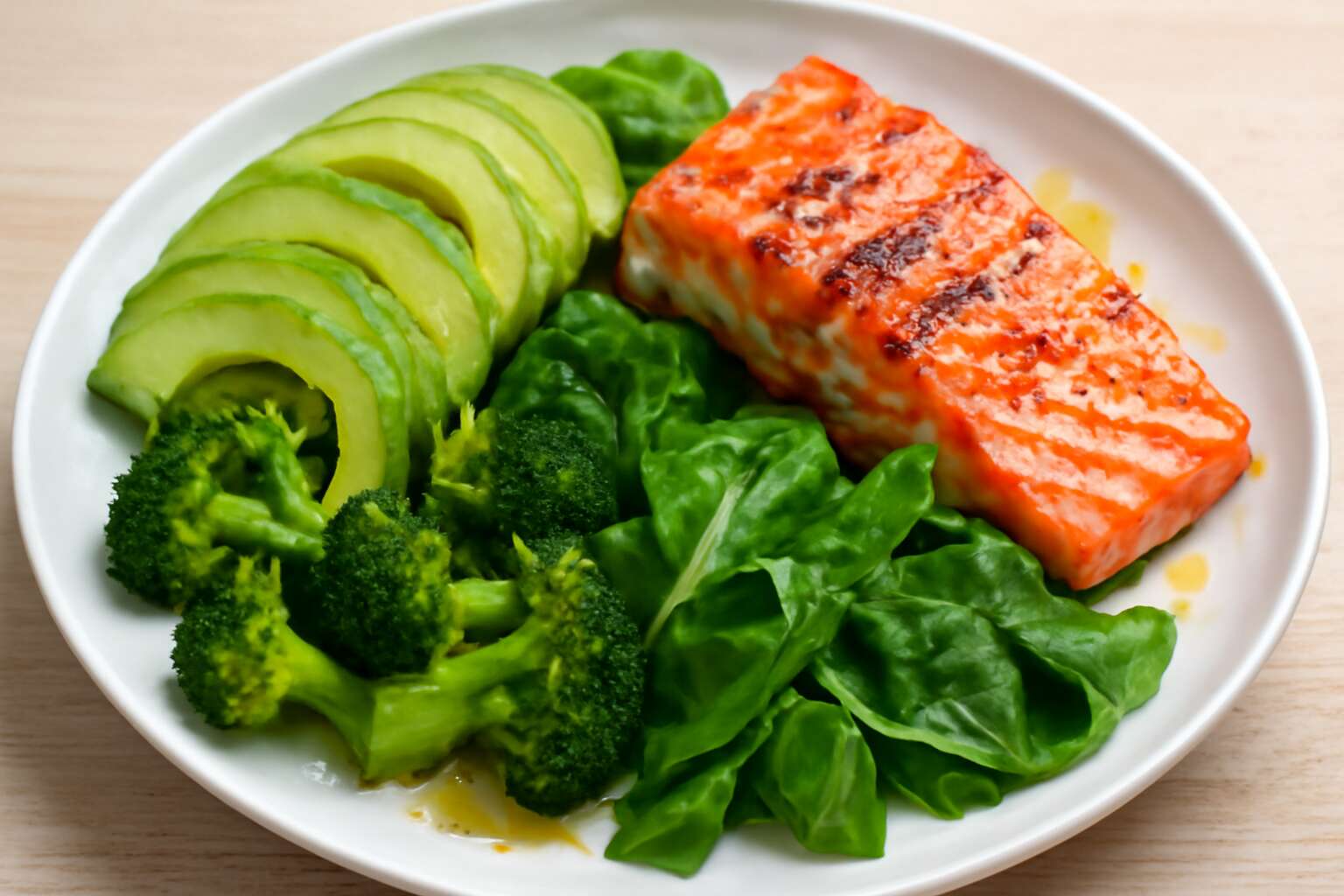
Foundations of low carb and keto start with a simple distinction: reducing carbohydrate intake shifts fuel from glucose to fat. In practice, a low carb diet keto guides meals toward real foods—protein, healthy fats, and vegetables—over refined grains and sugars. “Carbs are not the enemy; insulin is,” a nutritionist told me, and that perspective frames daily choices many South Africans make to feel steadier and sharper. A low carb diet keto approach emphasizes color, quality, and restraint.
- Limit carbohydrates from breads, pasta, and sweets.
- Choose fats like olive oil, avocado, and almonds to fuel meals.
- Prioritize protein and fiber-rich vegetables to sustain energy.
In this context, foundations are about balance and practicality—tweaking local meals to reduce starch while celebrating bold flavours and textures that keep you motivated for the long haul.
What is ketosis and why it matters?
Across South Africa’s sunlit mornings, ketosis brings a practical kind of steadiness. A regional health survey found that 42% of adults report fewer energy slumps after embracing a low carb diet keto pattern. Ketosis happens when the body shifts from burning glucose to burning fat for fuel, producing ketones that flood the brain and muscles with clean energy. That shift matters: days feel longer, chores flow, and sleep can improve as blood sugar stays more even.
Foundations aren’t about deprivation but balance. When meals center real fats, lean protein, and non-starchy vegetables, insulin stays steadier and cravings soften. Think olive oil, avocado, eggs, and greens—foods that fuel work and wonder alike.
- Steadier energy
- Sharper focus
- Longer-lasting fullness
Ultimately, the pattern invites a gradual shift that fits lived South African realities—flavourful meals, minimal refined starch, and routines you can keep.
Distinctions between low carb and keto lifestyle
Foundations of a practical low carb approach rest on balance, not deprivation. Plates center real fats, lean protein, and non-starchy vegetables, keeping insulin steadier and energy reliable. In South Africa, that looks like simple, flavorful meals: olive oil-dressed greens with grilled fish, or avocado and eggs for breakfast. Foundations aren’t about punishment; they’re about sustainable choices that fit crowded days and social meals while staying true to real-food habits.
Distinctions between low carb and keto lifestyle matter for planning. One framing is the low carb diet keto path, with stricter carb ceilings and ketosis as a goal. In practice, keto tightens targets and emphasizes fat adaptation, while a general low carb plan allows more menu variety and occasional higher-carb meals.
- Carb targets: higher on low carb, very low in keto
- Metabolic state: ketosis is a hallmark of keto, not required for low carb
- Flexibility: keto is stricter; low carb supports social dining and daily rhythm
Starting a Keto-Style Low-Carb Plan
Setting daily net carbs and macros
“The body keeps its own orchestra,” I tell those exploring a keto-inspired way of eating—carbs bow, fats keep the tempo. In this quiet cadence, setting daily net carbs and macros becomes a ritual of balance within the low carb diet keto, a map that respects appetite, energy, and the rhythm of mornings in South Africa’s kitchens.
Three guiding strands shape the conversation in a kitchen of consciousness:
- Net carbs are total carbohydrates minus fiber, the simplest compass on a plate.
- Protein targets anchor energy and muscle, adjusted for activity and lean mass.
- Fat supplies satiety and flavor, serving as the primary energy source when carbs wane.
As the day unfurls, the balance remains fluid—tucked between familiar SA staples and modern, vibrant produce—allowing the plan to adapt without sacrificing soul or taste.
Choosing keto-friendly fats and proteins
“Food should be fuel you look forward to,” and I see many South Africans returning to the stove with curiosity rather than punishment. Starting a keto-style plan means selecting fats and proteins that sustain energy while keeping carbs in check. For this approach, the plan begins with smart ingredient choices rather than deprivation.
Here are keto-friendly fats and proteins that travel well in SA kitchens:
- Avocado with olive oil as staple fats
- Butter or ghee for cooking and rich flavor
- Snoek or salmon for omega-rich proteins
- Eggs for versatility, from breakfast to supper
- Chicken thighs with skin for sustained energy
With these choices, the low carb diet keto journey in SA kitchens feels grounded, practical, and delicious.
Smart grocery shopping for keto
Smart grocery shopping for keto is a ritual of restraint and anticipation. In South Africa, where markets pulse with seasonality and braai-friendly staples, a deliberate cart steers tastiness toward sustainability. Start with a blueprint: map meals for the week, then fill the fridge with clean, carb-conscious options. The aim isn’t deprivation but clarity—knowing exactly what supports energy, satiety, and flavor in every bite.
- Shop the perimeter—produce, dairy, fresh protein—where real food hides
- Read labels for total carbs per serving and watch for hidden sugars
- Choose healthy fats that endure cooking and enhance taste: avocado, olive oil, butter
- Prioritize keto-friendly proteins: snoek, salmon, eggs, chicken thighs
- Line up seasonal veggies and affordable cuts to keep meals varied
With intention, grocery aisles become a canvas where energy, nutrition and distinctly South African flavors converge, proving that smart shopping is the quiet engine of the low carb diet keto.
Meal planning and prep routines
Start with a clocked plan instead of last-minute grabs. A keto-style routine sticks when meals are mapped, not improvised. Decide three dinner options, two lunches, and a simple breakfast, then lay out a week’s worth of ingredients. Clarity beats chaos, turning prep into progress.
Routines form the backbone—consistent prep blocks, smart storage, and clear labeling keep meals predictable and satisfying. The aim is a steady rhythm that fits a South African week, letting flavors build through the week rather than fading in the fridge.
In markets that pulse with seasonality, this routine stays flexible and flavorful. It keeps the low carb diet keto appetizing through varied textures, colours, and local flair, while easing weekend braais into weeknight wins!
Nutritional Guidelines and Keto-Friendly Foods
Healthy fats and fat quality
Across South Africa, interest in the low carb diet keto has surged as people chase steadier energy and sharper focus. I’ve seen kitchens shift toward quality fats, nutrient-dense proteins, and plenty of non-starchy greens, not deprivation. It’s a practical shift that respects everyday realities and public food systems.
- Olive oil and avocado oil for cooking
- Fatty fish: sardines, mackerel, hake
- Macadamia nuts and chia seeds
- Grass-fed butter or ghee, coconut oil
Healthy fats and fat quality matter most. Favor monounsaturated fats, choose omega-3 sources, and limit processed oils and trans fats.
Some people find MCT oil helpful for energy on the low carb diet keto.
Pair these fats with leafy greens and cruciferous veggies—spinach, broccoli, peppers, and zucchini thrive in South Africa’s markets. A balanced plate supports micronutrients without feeling heavy, keeping you aligned with a steady keto rhythm and keto-friendly foods.
Low-carb vegetables and fiber goals
“Energy settles like dawn when fats and greens align,” a South African kitchen whisper insists. In nutritional guidelines for the low carb diet keto, balance matters: nutrient-dense fats, moderate proteins, and fiber-rich vegetables that steady blood sugar without heaviness.
Low-carb vegetables form the backbone of fiber goals, inviting leafy greens and cruciferous stars onto every plate. In South Africa’s markets, spinach, broccoli, peppers, and zucchini shine as everyday heroes.
- Spinach
- Kale
- Broccoli
- Brussels sprouts
Fiber supports gut health and satiety on the journey, letting the body adapt to keto rhythms. This approach suits the cadence, pairing greens with seeds and nuts that nourish without crowding the plate.
Protein sources for muscle maintenance on keto
Within the keto pantry, muscle maintenance rests on protein as steadfast timber and fats as a faithful blaze. Nutritional guidelines here honor quality over speed, inviting amino acids into a patient, restorative rhythm that shapes tomorrow’s strength.
- Eggs
- Salmon and other oily fish
- Chicken or turkey
- Beef, lamb, or pasture-raised meats
- Cheese and Greek yogurt
- Tofu or tempeh (plant-based option)
Beyond animal products, the tapestry expands with regional fare and mindful portions that respect fullness without heaviness. Build plates with varied textures—creamy dairy, succulent seafood, and lean cuts—that ensure muscle maintenance while keeping carbs in check.
From Cape Town markets to Pretoria kitchens, the right protein mix sustains energy for daily life and steady workouts. Balance becomes a living legend, where protein fuels repair and fats light the journey—the core of the low carb diet keto.
Foods and ingredients to limit or avoid
In this quiet pantry, hunger mutters like a distant storm. Early victories arise when sugars retreat and energy steadies. Within the realm of the low carb diet keto, guidelines favor quality over speed, inviting whole foods, mindful portions, and fats that glow like embers to sustain the night.
- Sugar-sweetened drinks and desserts
- Refined grains such as white bread, pastries, and white rice
- High-carbohydrate fruits like bananas and grapes
- Starchy vegetables such as potatoes and corn
- Processed snack foods and sugary condiments
To navigate the dim shelves, lean into nutrient-dense choices and mindful moderation. In South Africa, markets from Cape Town to Pretoria hum with color as you balance texture and taste—creamy dairy, crisp greens, and succulent seafood—while staying true to the rhythm of the low carb diet keto.
Common Challenges and Solutions
Overcoming the keto flu and adaptation period
That first week on the low carb diet keto feels like your body is learning a new language while you sip rooibos and pretend to be dramatic. A SA wellness poll finds that about 62% experience keto flu in some form—brain fog, fatigue, or the unexpected longing for bread—during adaptation. It’s not a catastrophe; it’s chemistry rebalancing with style.
Common challenges include thirst, headaches, mood swings, and rattling energy levels as fat becomes the main fuel. The overarching fixes revolve around balance: hydration, electrolytes, and a gentle pace of the switch, helping your system switch gears without throwing a tantrum.
To frame the adaptation period in a humane way, consider these observations:
- Electrolyte balance and hydration play a central role in adaptation.
- Gentle pacing of carbohydrate intake supports energy stability.
- Sleep quality and stress management influence symptom severity.
With time, the fog clears and steadier energy emerges, keeping pace with SA days and late meetings.
Managing cravings and social eating
Cravings crash the dinner table with the melodrama of a soap opera, yet they’re not villains—merely biology rehearsing its lines. A South African wellness poll hints that adaptation brings mood swings and a longing for bread, especially during social meals. In the framework of low carb diet keto, temptation can be managed with wit, poise, and a plan that keeps the plate interesting rather than empty.
- Anticipation and menu mindfulness help negotiate social meals.
- Protein and fiber act as stabilizers to cravings and energy fluctuations.
- Hydration and electrolytes serve as quiet moderators of appetite and fog.
- Mindful indulgence respects taste while preserving social harmony.
Social occasions stay civilized and satisfying, one plate at a time.
Handling plateaus and slow weight loss
Plateaus are not a failure; they’re a plot twist in the keto story. On a low carb diet keto, the body quietly recalibrates its energy ledger, and the scale may stall while hunger signals and energy swings find a steadier rhythm. I’ve spoken with many South African readers who say patience and a flexible pace preserve motivation even when momentum feels hushed.
- Signals over numbers: patience, sleep, and stress balance illuminate progress beyond the scale.
- Non-scale victories: energy, mood, and clothing fit narrate a richer story.
- Context matters: hydration and routine quietly shape outcomes without shouting for attention.
By letting the narrative breathe, the path stays sustainable and humane—one mindful choice at a time.
Sustainability: long-term adherence tips
Long-haul success on the low carb diet keto isn’t a sprint; it’s a patient, evolving conversation with your body. A South African reader once told me: “Momentum lives in tiny, persistent wins.” That insight sticks because the real test isn’t a single weigh-in—it’s sustaining a humane rhythm through days that refuse to shout. The body recalibrates, cravings soften, and what once felt impossible becomes familiar energy and mood steadiness.
Here are durable, humane principles that support long-term adherence:
- Coherence with social and family life—keeping meals as rituals rather than disruptions.
- Flexible boundaries—allowing for occasional indulgences without guilt to preserve balance.
- Environment design—placing keto-friendly options within reach and reducing triggers.
- Internal narrative—reframing slips as information, not failure.
This is not deprivation; it’s a story of patience, rhythm, and respect for your context, a quiet dignity that sustains the low carb diet keto journey into the future.
Supplement considerations on keto
Across South Africa, the low carb diet keto conversation is never starved of drama—it’s the everyday realism of meals that travel with you. Common challenges crop up at social braais, family dinners, and the casual crave that sneaks in after a long day. The magic lies in conversation with your body, not punishment; a patient recalibration of appetite and energy.
- Electrolyte balance: sodium, potassium, and magnesium support steady energy and mood during adaptation.
- Micronutrient coverage: vitamin D and a basic multivitamin help fill gaps many keto eaters encounter.
- Fats and inflammatory balance: omega-3s or MCT oils can aid satiety and tone down cravings.
Supplement considerations on keto should feel like prudent housekeeping—no drama, just alignment with daily life and social ease.
Tracking Progress and Staying Motivated
Monitoring ketosis and energy levels
On a low carb diet keto, tracking progress becomes a quiet field note on your body’s weather. Within the first fortnight, roughly 60% report steadier energy, a sign the metabolism is rewriting its calendar. The drama of weight loss gives way to a subtler rhythm—one that invites consistency and, with it, a deeper sense of purpose.
To gauge the journey, observe how ketosis and energy ebb and flow across days, and what that tells you about motivation and appetite. Consider these facets as you watch the body’s arc unfold:
- ketone adaptation signals and overall energy tone
- mood stability and cognitive clarity across the day
- sleep quality and recovery after activity
The path is not a straight line, but a narrative you co-author with your body, especially in South Africa’s varied routines where discipline and patience illuminate the quiet chemistry at work.
Adjusting macros over time based on results
Progress on the low carb diet keto is not a straight line but a weather diary etched into sleep and appetite. In the first weeks, roughly two-thirds report steadier energy, a sign ketosis is rewriting your body’s calendar. The drama of the scale softens into a deeper rhythm—consistency with purpose.
To track progress, observe how ketosis and energy ebb and flow across days; these signals become your compass for adjusting macros over time based on results.
- Record daily net carbs, protein grams, and fat grams to map your macros.
- Note energy, mood, and sleep quality as you move through the week.
- Shift fats or protein in small increments and wait a full 7 days before reassessing.
In South Africa’s rhythm—braais and early sunrise—the approach remains patient: you chart the arc and let the body’s chemistry answer.
Lifestyle strategies to maintain momentum
Momentum on a low carb diet keto doesn’t sprint; it breathes. Nearly 60% report steadier energy in the first fortnight, a sign ketosis is rewriting your day. Progress resembles a weather diary—sleep and appetite cue the next move. I learn to listen to the whispers of my body—how I sleep, how I wake, how steady my energy feels—and use those notes to steer macro adjustments with patience.
To stay the course, practical rituals fit South Africa’s rhythm:
- Plan braais and family meals ahead, choosing keto-friendly options that honor social life.
- Anchor motivation with a simple daily ritual—brief gratitude, a walk, or a sunrise reflection.
With each dawn, the arc guides me more than the scale. The rhythm suits our harvest-time mornings and braai strengths; the journey stays humane, rooted in real meals, real energy, and real resilience.



0 Comments