Understanding How Carbohydrate Intake Affects Headache Risk
What the Evidence Says About Carbs and Headache Triggers
Carbohydrates can be quiet composers or loud percussion in the head. In South Africa, meals shape mornings, and headaches too. A seasoned clinician says the nerves mirror our plates, and the pattern is telling: carbohydrates matter.
Understanding How Carbohydrate Intake Affects Headache Risk reveals a dance of energy, hormones, and hydration. When carbs plunge or surge, insulin and glycogen shift, sometimes triggering throbbing episodes. Consider these common catalysts:
- electrolyte shifts from carb restriction
- caffeine withdrawal as routines change
- dehydration from drier meals
What the Evidence Says About Carbs and Headache shows that evidence is nuanced: some people report headaches with strict cutbacks, while others tolerate moderate carbohydrate without pain. The idea of the low carb diet and headaches appears in clinical notes as a variable, not a verdict. This view suggests that low carb diet and headaches may reflect individual physiology rather than a universal rule.
Ketosis, Glycogen Depletion, and Headache Onset
One in five adults report headaches when carbohydrate intake shifts, a startling snapshot of how the body responds to change. Ketosis pulls the brain toward a different fuel, and glycogen stores shrink, sometimes nudging the temples into rhythm with the day. This is not a verdict but a map—the low carb diet and headaches may echo personal physiology more than universal rule.
- ketosis shifts energy and neurotransmitter balance
- glycogen depletion alters hydration and electrolytes
- insulin-driven vascular changes can tilt perception
In South Africa, meals shape mornings, and the body responds with nuanced signals—energy chemistry, hydration, and nerve sensitivity all conversing in quiet, surprising ways!
Individual Differences in Headache Susceptibility
Across South Africa, roughly one in five adults report headaches when carbohydrate intake shifts—a striking barometer of how the body negotiates change. This is not a universal verdict but a personal map, where the not-yet-known relationship between meals and pain reveals a spectrum that includes the idea of low carb diet and headaches.
Understanding why depends on individual differences in energy balance, hydration, and vascular response. Some bodies ride glucose transitions with grace; others encounter electrolyte shifts and subtle shifts in neurotransmitter tone that tilt toward sensitivity and pain.
As the landscape is read, a few persistent variables emerge that shape susceptibility:
- Sleep and circadian rhythm
- Hydration and mineral balance
- Caffeine and stimulant history
Timeline of Symptoms After Starting a Low-Carb Approach
A nurse once told me, ‘The body speaks in headaches when meals change.’ Across South Africa’s clinics and kitchens, in small towns and cities, many notice a sharp ache when carbohydrates shift, a signal adaptation is under way. In the first 24 to 72 hours, a pressure behind the eyes can surface as glucose shifts, then, as days pass, hydration and energy rhythms settle into a steadier pace.
The arc around the low carb diet and headaches rarely runs in a straight line, but it follows a recognizable rhythm. That rhythm steadies as the body’s energy wiring settles.
- Early phase: rapid shifts in fluid balance and neurotransmitter activity
- Mid phase: partial recovery as energy systems rebalance
- Late phase: stabilization, with headaches easing for many or settling into new patterns
Headache Types and Symptoms in the Context of Low-Carb Diets
Migraines vs Tension Headaches on Low-Carb Plans
More than one in four people report headaches during the early days of a low-carb transition, a pulse that refuses to settle. Migraine and tension headaches emerge as distinct protagonists on low-carb plans. For readers exploring the low carb diet and headaches, patterns matter!
Here are the hallmark patterns to distinguish them:
- Migraine features: unilateral throbbing, worsened by activity, nausea or vomiting, light and sound sensitivity; usually 4–72 hours.
- Tension headache features: bilateral pressing or tightening sensation, band-like across the temples, milder intensity, not aggravated by movement; rarely with nausea.
On a low-carb plan, shifts in hydration and minerals can influence which pattern takes hold. Listening to the body’s signals—the ache’s location, tempo, and accompanying symptoms—gives a clearer map through the SA climate of meals and routines. The brain keeps its own hours, and on a low-carb stage, those hours can shift in unexpected ways.
Common Headache Symptoms to Watch For
In the rhythm of daily life across farmland and towns, I hear the link between a low carb diet and headaches echo through kitchen tables and clinic chairs. On a low-carb plan, hydration shifts and mineral balance can set the stage for different headaches to rise. Pay attention to where the ache sits, how long it lasts, and what else comes with it—nausea, light sensitivity, or a tight band around the temples all tell their own story. The brain marches to its own clock, and meals, chores, and water intake can nudge it one way or another.
Common symptoms to watch for include:
- Unilateral throbbing with nausea
- Sensitivity to light and sound
- Band-like pressure across the temples
These signals map how the body responds to shifts in meals and daily rhythm.
Pattern Variations by Demographics
Across age and gender, the dynamic of low carb diet and headaches reveals itself as a shifting chiaroscuro. From Cape Town’s bustle to the Karoo’s quiet, younger bodies wake to unilateral throbs with nausea, while older minds report steadier, diffuse pressure. In many women, hormonal tides tilt toward photophobia and phonophobia, as if the brain keeps time to a darker clock when carbs dwindle and days stretch longer. The rhythm unsettles sleep and meals—a tiny storm within.
- Young adults: sudden unilateral throbbing with nausea and light sensitivity.
- Women in reproductive years: pronounced photophobia and neck tension tied to hormonal cycles.
- Older adults: diffuse, band-like pressure with steady pain.
- Settings with dehydration risk: headaches amplified when hydration lags during busy days.
These patterns map how the body narrates its headaches as dietary rhythms shift, offering a governance of symptoms within a low carb diet and headaches arc.
Nutritional Gaps and Micronutrients on Low-Carb Diets
Key Nutrients That Support Headache Prevention
Four in ten people notice headaches during the transition to a strict low carb diet and headaches—a stat that stings like citrus in a braai-side breeze. The culprit isn’t carb-craving theatrics; it’s nutritional gaps that slip under the radar. Micronutrient shortfalls quietly tilt the brain toward protest, even when carbohydrates aren’t the villain.
- Magnesium: supports nerve transmission and muscle function; found in spinach, nuts, and seeds.
- Electrolytes—sodium and potassium: maintain fluid balance during shifts in carb intake.
- Calcium and vitamin D: crucial for neuromuscular signaling; include dairy or fortified substitutes.
- B-vitamins (riboflavin and B12): fuel energy metabolism and nervous system health.
- Zinc and iron: support enzyme function and oxygen transport; sources include lean meat and seafood.
A mindful plate—leafy greens, dairy, lean protein—fits neatly into South Africa’s dinner table while keeping headaches in check. For anyone navigating the world of a low carb diet and headaches, these micronutrients are the quiet guardians.
Foods and Supplements That Help with Headache Reduction
Nutritional gaps become quiet antagonists as carbohydrate intake tightens. In many South African kitchens, fatigue softens a bright day into a cloud, and headaches drift in as a stubborn companion!
The reality of low carb diet and headaches is less a roar and more a sting, a reminder that the brain needs steady micronutrients even when carbs are trimmed back.
- Magnesium-rich foods: spinach, nuts, seeds
- Electrolytes: sodium and potassium from dairy, broth, leafy greens
- Calcium and vitamin D: dairy or fortified substitutes
- B-vitamins: riboflavin and B12 sources
- Zinc and iron: lean meat and seafood
Beyond whole foods, targeted supplements can fill stubborn gaps when meals are sparse. In rural life, a small bottle of magnesium or a vitamin D supplement sits beside the pantry, a quiet ally in headache reduction that respects the rhythms of the land and the workload.
Electrolyte Balance: Sodium, Potassium, Magnesium
In South African kitchens, headaches often arrive as carbs tighten—yet a quiet balance can calm the sting. About a quarter of people on the low carb diet and headaches journey report new or worsened headaches in the first weeks, a sign that electrolytes deserve attention. Sodium, potassium, and magnesium keep nerve signals steady and hydration balanced, especially when carbohydrates are trimmed.
- Sodium from dairy, broth, and mindful salting
- Potassium from leafy greens and tomatoes
- Magnesium from spinach, nuts, and seeds
In rural life, a small bottle of magnesium or a vitamin D supplement sits beside the pantry, a quiet ally in sustaining energy when meals are lean.
Magnesium, B Vitamins, and Other Co-factors on a Low-Carb Schedule
Headaches often crash the party when carbs get trimmed, and in South Africa, one in four people on a low carb diet report new or worsened headaches in the first weeks.
This nutritional gap isn’t mysterious; magnesium, B vitamins, and other co-factors are the quiet stabilizers behind steady nerve signaling and energy when intake shifts. Prioritise foods and clever supplements to bridge the gap.
- Magnesium-rich options: spinach, nuts, seeds, dairy
- B vitamins: eggs, liver or lean meats, leafy greens, dairy
- Other co-factors: zinc, coenzyme Q10, choline
These adjustments support the low carb diet and headaches narrative without turning meals into a scavenger hunt.
Hydration Strategies and Headache Risk on Low-Carb Diets
Across South Africa, one in four people on a low carb diet report new or worsened headaches in the first weeks. The pattern isn’t superstition; it’s a real tension between energy signals and fluid shifts. The phenomenon sits at the intersection of nutrition and neurologic response—an ordinary struggle with extraordinary resonance for daily life.
Beyond the obvious macro balance, micronutrient gaps and hydration dynamics quietly shape headache risk on this path. In a landscape where meals swing between comfort and constraint, your body’s hydration strategy becomes a silent stabilizer.
- Fluid balance across the day
- Electrolyte interplay during dietary shifts
- Individual variability in headache triggers
From a practical lens in SA kitchens, small adjustments in how we think about fluids and micronutrients inform the narrative without derailing meals.
Practical Strategies to Prevent and Manage Headaches While Following a Low-Carb Diet
Meal Planning and Sample Day to Minimize Headache Risk
Headaches can crash the welcome party when you start a low carb diet and headaches as your brain re-learns its fuel. A clinician puts it this way: “The brain is re-educating its fuel map, and that adjustment can feel like a storm in the morning rush.” In South Africa, where mornings crack open with quick coffees and full schedules, that storm often shows up before lunch.
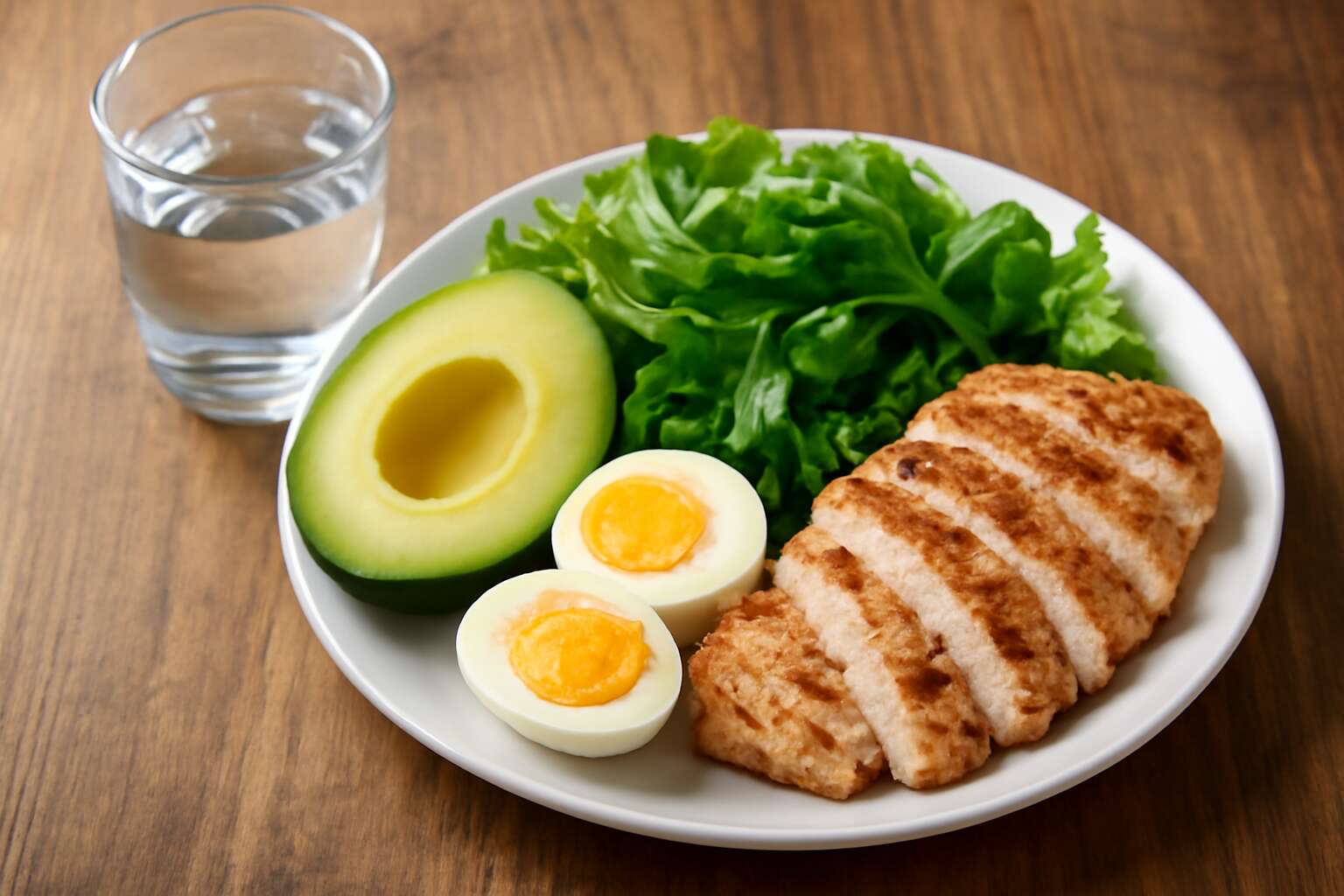
Practical strategies play out as a calm, narrative process—meal planning that respects rhythm, a Sample Day designed to keep energy stable, and a daily tempo that avoids sharp highs and lows. Picture a day built around steady protein, greens, and chosen fats, with plates that feel satisfying and predictable. The goal is to keep the brain nourished as it adjusts, so headaches drift toward the margins rather than taking center stage.
Hydration and Caffeine Considerations on a Low-Carb Plan
Headache disruptions ride shotgun with the shift to a low carb diet and headaches may rise as the brain re-learns its fuel map. Clinicians say, “The brain is re-educating its fuel map,” and in South Africa’s early-morning rush that storm often rolls in before lunch. That framing makes hydration and caffeine considerations central as the day moves from quiet to busy.
For many, the experience of a low carb diet and headaches is a signal to align fluids and caffeine with the body’s tempo. Hydration with electrolytes is recognized as a stabilizer, and caffeine patterns—avoiding late-day surges—tend to influence energy and mood. Beverages that offer steady energy over quick spikes fit the aim of a predictable rhythm, helping the brain recalibrate.
Lifestyle Habits That Support Headache Prevention
Headaches often accompany the transition to a low-carb pattern, a sign the brain is re-educating its fuel map. Clinicians say, “The brain is re-educating its fuel map,” and in South Africa’s early-morning rush that storm often rolls in before lunch. Hydration and caffeine considerations move from background to frontline as the day climbs.
For many, the link between the low carb diet and headaches becomes a signal to tune fluids and caffeine.
- Consistency in hydration and electrolyte balance
- Caffeine timing to prevent late-day surges and mood dips
- Options that deliver steady energy rather than quick spikes
This approach supports a steadier rhythm through the day.
Within a calm routine, the brain can recalibrate without throwing the body off balance.




0 Comments