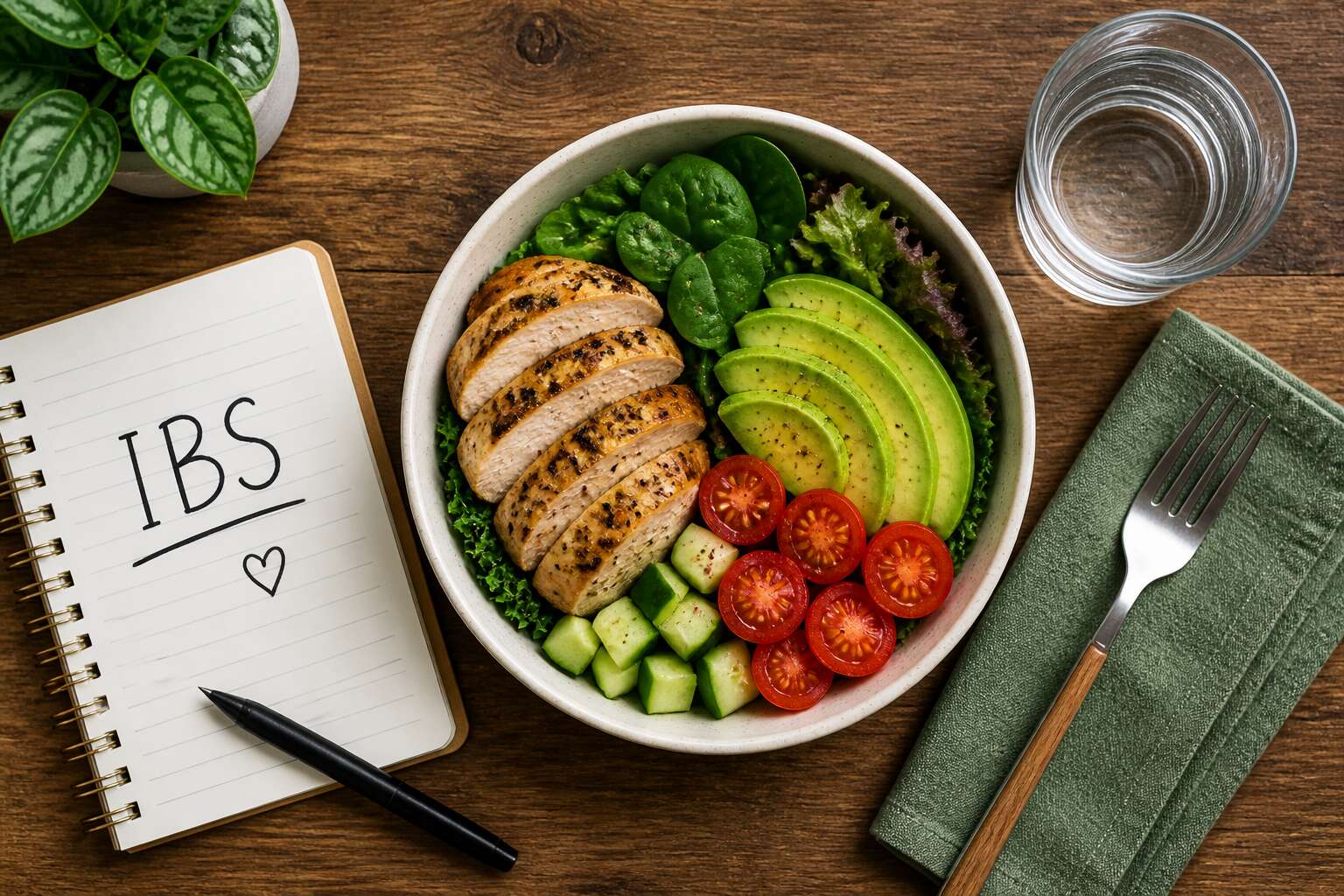
Understanding the Link Between Low Carb Diets and IBS
The Science of Carbohydrate Malabsorption
The connection between a low carb diet with ibs is not about willpower. It is about what your intestines cannot break down. When carbohydrates pass through the small intestine undigested, they reach the colon where bacteria ferment them. This produces gas and draws water into the bowel, causing bloating and diarrhoea.
This is carbohydrate malabsorption. Fructose, lactose, and polyols are the main offenders. For many South Africans, that includes apples, milk, and sugar free gum. A low carb diet with ibs often removes these triggers by reducing the fermentable load.
- Fructose malabsorption affects up to one in three people.
- Sorbitol is poorly absorbed even in healthy guts.
- Bacteria convert these leftovers into hydrogen gas.
But not every low carb approach works the same. Some plans rely on sugar alcohols, which can worsen symptoms. The science shows that the type of carbohydrate matters more than the total amount.
How Low Carb Diets Affect Gut Motility
The gut is a stubborn negotiator. It remembers every insult, including the last bowl of pasta that left you doubled over. When you adopt a low carb diet with ibs, you are not just changing what you eat. You are altering the electrical rhythm of your intestines. Carbohydrates, particularly fermentable ones, stimulate the migrating motor complex, the wave that sweeps waste through the colon. Remove them, and the gut slows down.
This is where the paradox deepens. For some, that slowdown brings relief. For others, it triggers a different kind of misery, constipation that feels like concrete setting overnight.
– Reduced fermentation changes pressure gradients in the colon.
– The gut wall receives fewer chemical signals to push forward.
– Stool water content decreases, making transit sluggish.
– The nervous system, confused by the shift, may overreact to even small amounts of fibre.
The colon is a creature of habit. A low carb diet with ibs forces it into a new routine, one where urgency is replaced by inertia. The nerve endings in your gut lining, already sensitised, must recalibrate to a quieter environment. This recalibration is not instant. It is a negotiation between your dietary choices and your autonomous nervous system, a dance that determines whether you spend your mornings in the bathroom or at your desk. The body craves its usual trigger; without it, the entire machinery hesitates, waiting for a signal that never arrives.
Low Carb vs. Low FODMAP: Key Differences
Many assume that cutting carbohydrates is the same as cutting out gut irritants. That assumption costs them dearly. A low carb diet with ibs may reduce bloating for some, yet it often eliminates foods that are perfectly safe for your intestines. The real culprit in IBS is usually a group of fermentable carbohydrates called FODMAPs, not all carbs.
Here is the difference:
- Low carb diets slash total carbohydrate intake, including beneficial fibres and complex starches.
- Low FODMAP diets target only specific fermentable sugars, leaving many nutritious carbs untouched.
The low FODMAP approach is a short term elimination protocol, while a low carb lifestyle is a long term pattern. Understanding this difference prevents you from abandoning rice or oats unnecessarily. Your gut may tolerate these foods well, even on a low carb diet with ibs. The key is identifying your personal triggers, not eliminating every carbohydrate.
Best Low Carb Foods for an IBS-Friendly Diet
Low Carb Vegetables That Are Easy on the Gut
The vibrant produce markets of South Africa brim with choices, yet for those navigating a low carb diet with ibs, selection demands a careful eye. I have often stood beside a stall holding a leafy bundle and considered the delicate balance of fibre and fermentable sugars. Zucchinis, with their subtle flesh, and the sturdy leaves of spinach offer a gentle path. Their water content is high, which soothes rather than challenges a sensitive gut.
Some vegetables simply refuse to cooperate with a tender digestive tract. A low carb diet with ibs often stumbles on gas producing varieties. Yet, the following vegetables are known for their quieter nature:
– Green beans, crisp and stringless, provide satisfaction without heaviness.
– Cucumber, cool and refreshing, brings hydration with a whisper of crunch.
– Radishes, small and peppery, add a mild spark to any meal.
The true artistry lies in preparation. Pressure cooking or slow roasting transforms root vegetables like carrots and turnips, breaking down their structural integrity. This simple act can make them far more tolerable than their raw counterparts. I have seen many people flourish by keeping their meals to a short list of these reliable staples. It is a quiet form of wisdom, choosing the humble over the complex. This approach can turn a restrictive low carb diet with ibs into a ritual of comfort and nourishment.
High-Quality Proteins and Digestive Tolerance
Meat, fish, and eggs form the quiet backbone of a low carb diet with ibs, yet every protein carries its own temperament. I have learned to trust the uncomplicated flesh of springbok or ostrich, which are lean and seldom trigger the digestive spasms that marbled cuts provoke. The gut often prefers proteins that are gently cooked and lightly seasoned, avoiding garlic or onion powders that sabotage the most careful meal!
For those exploring this path, consider these high-quality proteins with proven digestive tolerance:
- Poached chicken breast, soft and unassuming
- Grilled hake, flaky and moist
- Free range eggs, prepared as a simple omelette
These options anchor a low carb diet with ibs, offering sustenance without the burden of complex carbohydrates or inflammatory additives. I remind my readers that patience with protein selection is a form of self care.
Healthy Fats for Reducing Inflammation
Healthy fats can cause hesitation when you follow a low carb diet with ibs. The fear of triggering symptoms often overshadows the anti-inflammatory potential of certain oils. I have found that cold pressed olive oil, drizzled over roasted butternut, provides a soothing effect that processed seed oils simply cannot match. Coconut oil behaves differently in the digestive tract, offering quick energy without the fermentation that starchy foods cause. Avocado, when ripe and mashed, delivers monounsaturated fats that many of my readers tolerate remarkably well.
For those who need practical choices:
- Extra virgin olive oil for gentle cooking
- Coconut oil for sautéing vegetables
- Avocado flesh eaten plain or with a pinch of salt
These fats help reduce inflammation while supporting the principles of a low carb diet with ibs. Even beneficial fats can overwhelm a sensitive gut when consumed in excess, so moderation matters.
Low Carb Fruits and Portion Control
Seven out of ten people with irritable bowel syndrome name fruit as a trigger, yet eliminating it entirely is not the answer. The real culprit is portion size. On a low carb diet with ibs, fruit becomes a negotiation between sweetness and osmotic load.
- Berries, 1/2 cup, stay under 8 grams of net carbs
- Kiwi, one small fruit, eases constipation without bloating
- Papaya, 1/4 cup, contains papain, a natural digestive aid
I have watched clients tolerate these servings when eaten alone, never after a heavy meal. Ripe fruit matters. Underripe bananas resist digestion, while overripe ones spike fermentation. A digital scale ends guesswork. Thirty grams of blueberries is not the same as thirty grams of strawberries.
Creating a Sustainable Low Carb IBS Meal Plan
Planning Meals Around Your Trigger Foods
Navigating the daily reality of a low carb diet with IBS often feels less like a medical protocol and more like a personal negotiation with your own body. The secret to longevity in this approach is not found in rigid rules, but in a flexible blueprint that respects your unique thresholds. Rather than viewing trigger foods as enemies to be vanquished, consider them variables in an equation you are constantly solving. This shifts the focus from restriction to calibration, which is essential because the psychological burden of a restrictive diet can sometimes outweigh the physical benefits.
A sustainable meal plan emerges from the quiet observation of your own reactions. You must become a detective of your own digestion, tracking not just what you eat, but when you eat it, and in what combination. For instance, a specific vegetable might cause distress in its raw state, yet be perfectly tolerable when roasted or fermented. The structure of your week should be built on a foundation of safe, familiar meals, with room for small, calculated experiments. This reduces the cognitive load and makes the habit stick.
To build this framework, consider the pillars of your weekly preparation:
– Batch cooking core proteins that you know you tolerate well.
– Selecting low carb vegetables based on your specific sensitivity to polyols or fructose.
– Pre-portioning fats to avoid overwhelming your gut in a single sitting.
– Preparing a “safe side” dish that you can add to any family meal.
This method allows you to engage with your gut on its own terms. It acknowledges that the enteric nervous system has a memory, and that establishing a rhythm of predictable, gentle inputs can calm its hypervigilance. By designing your plate around your known triggers, you create a space of safety from which you can slowly, and bravely, expand your dietary repertoire without the fear of a violent flare-up.
Simple Breakfast and Lunch Ideas
The daily grind of a low carb diet with IBS often collides with the morning rush. Breakfast becomes a negotiation between speed and safety, where a bad choice can derail your entire day. Your first meal should be a fortress of predictability, not an adventure. For lunch, the office cafeteria is a minefield of hidden onions and wheat, so your own packed meal is the only reliable ally.
We must abandon the notion that every plate needs to be gastronomatically thrilling. Boring is beautiful when your gut is in the driver’s seat. Consider the following structures for your weekday meals:
– Scrambled eggs with a small portion of wilted spinach and a sprinkle of feta cheese.
– A smoothie made with lactose free yogurt, a few raspberries, and a scoop of collagen powder.
– Leftover grilled chicken thighs with a side of green beans dressed in olive oil.
These combinations prioritize satiety without overwhelming the digestive tract. The key is to eat slowly and stop at the first sign of fullness. A salad for lunch might seem virtuous, but the raw volume of fibrous leaves can be an affront to a sensitive colon. Focus on cooked vegetables and simple proteins instead. This approach keeps the carbohydrate count low and the predictability high, which is the real secret to adhering to a low carb diet with ibs over the long term.
Dinner Recipes That Combine Low Carb and Gut Health
When the sun sets, the digestive tract turns temperamental. Cape Town researchers found that one in four South Africans reports bloating after evening meals, yet most blame overeating rather than carbohydrate choice. The dinner plate becomes an exercise in restraint. A low carb diet with ibs demands we treat the evening as a winding down of fermentation, not its beginning.
- Butter-basted hake with a side of mashed cauliflower and a squeeze of lemon.
- Slow-roasted lamb shoulder with carrot and zucchini ribbons, cooked until soft.
- Stir fried beef strips with bok choy and a splash of tamari.
Cooking methods do the heavy lifting. Braising, roasting, and steaming soften fibers that can otherwise irritate an inflamed colon. Those on a low carb diet with ibs know dinner should never be a test of willpower; it should be a quiet surrender to foods that ask nothing in return.
Snacks and Smoothies for Quick Energy
Snacking on a low carb diet with ibs is not about willpower. It is about preparation. In South Africa, where afternoon energy dips are common, a smoothie can be a lifeline. But a smoothie loaded with banana and mango is likely to trigger fermentation. Instead, I reach for a handful of frozen berries, a scoop of unsweetened whey protein, and a splash of almond milk. This combination delivers quick energy without bloating.
For a sustainable plan, keep snacks simple and portable:
- Hard boiled eggs with a pinch of salt
- Cucumber slices with tzatziki
- A small portion of macadamia nuts
These options support gut calm. This approach can include smoothies if you control ingredients. Choose low FODMAP fruits and add spinach for fibre. Blend slowly to avoid excess air. Preparation is the secret!
Hydration and Supplements to Prevent Deficiencies
The most sustainable low carb diet with ibs is the one you can still follow in six months. In South Africa, the challenge is not eliminating carbohydrates. It is sequencing meals to respect digestive rhythms. Hydration becomes central. Electrolytes such as sodium, potassium, and magnesium are overlooked. When carbohydrate intake drops, the body excretes more water and sodium. This mimics fatigue or brain fog. I recommend sea salt in your water.
Supplements warrant attention. Magnesium citrate supports muscle relaxation and regularity without triggering gut spasms. Vitamin D and B12 remain relevant for those avoiding fortified breads. A blood test every six months prevents silent deficiencies. Meal planning on a low carb diet with ibs follows the same principle: build plates around protein, fat, and low FODMAP vegetables. Rotate three or four meals to reduce decision fatigue. Keep a food diary to identify triggers. That diary becomes your guide.
Overcoming Challenges and Adjusting Your Approach
Dealing With the Keto Flu and Digestive Upset
Within days of starting a low carb diet with ibs, the body often rebels. Headaches, nausea, and cramping arrive without warning. This is the keto flu, a transitional state that hits IBS patients harder. The gut, already sensitive, must adapt to a new fuel source. Many mistake this phase for failure. It is not.
Adjusting your approach means reading the signals. Some find relief by easing carbohydrate reduction gradually. Others need to alter fat intake temporarily. Persistence matters, but so does flexibility.
- Persistent fatigue
- Stomach rumbling
- Sudden bowel changes
These markers tell you when to slow down. Digestive upset during this period is common, yet it does not mandate surrender. Your low carb diet with ibs can stabilise if you respect the process.
How to Gradually Reduce Carbs Without Shock
Among the many artefacts of a hurried life, the abrupt carb withdrawal must rank as one of the most brutish. We expect a clean break, yet the body craves the old ways. A sudden plunge into a low carb diet with ibs is an act of violence against a tender system. The sensible path is a measured retreat, a weekly reduction of your total, a softening of the blow. This allows the intestinal flora to adjust their fermentation patterns without triggering the alarm bells of distress.
The process demands attention to portion sizes and food choices. You might begin by swapping one starch for a low carb vegetable at each meal. Then, increase healthy fats incrementally. For some, the transition is smoother with a specific sequence:
– Replace refined grains with whole, low carb alternatives.
– Reduce sugary fruits, favouring berries.
– Introduce more gut friendly vegetables at each meal.
– Adjust fat intake upwards over several weeks.
This gradual tapering reduces the shock to the system. The goal is not a sudden arrival, but a successful migration. Patience is the currency here, and the reward is a gut that learns to run on new fuel without the riot of symptoms. The low carb diet with ibs becomes a livable state, not a punishing one.
Monitoring Your Symptoms With a Food Diary
A food diary is the most reliable tool for navigating a low carb diet with ibs. Many people encounter a plateau or an unexpected flare, yet they ignore the data. Every meal produces evidence. The diary collects it.
Record each portion, ingredient, and time of eating. Then note the response: bloating, cramping, or relief. Over two weeks, patterns emerge without effort. You discover that a particular nut or vegetable stalls progress. Adjusting your approach becomes a simple matter of removing that trigger.
- Document symptom severity on a scale of one to ten.
- Track stress levels and sleep hours.
- Include every beverage, not just food.
With this evidence, refinement becomes possible. A slight timing shift or a different protein source often settles the gut.
When to Seek Professional Guidance
Overcoming obstacles on a low carb diet with ibs requires a flexible mindset. Your food diary exposes unexpected triggers. Adjust portion sizes, swap proteins, or alter meal timing. Sometimes the fix is as small as chewing more slowly. Yet some signals demand more than self-experimentation.
Professional guidance becomes essential when you notice these warning signs:
- Unintended weight loss over several weeks
- Blood or mucus in your stool
- Pain that interrupts sleep
These symptoms indicate deeper issues. A dietitian or gastroenterologist familiar with a low carb diet with ibs can run tests and tailor a plan. Do not wait for a crisis! I have learned that early intervention preserves your gut health and your progress.
Common Mistakes to Avoid on a Low Carb IBS Diet
Many people on a low carb diet with ibs expect immediate relief, but the reality is far messier. Pushing your fibre intake up too quickly, even with safe vegetables, often backfires into painful bloating and cramping. Another frequent error is relying on processed “low carb” snacks loaded with sugar alcohols. These sweeteners are notorious for fermenting in the gut, triggering precisely the symptoms you are trying to silence.
The key is to respect your gut’s capacity for change. Consider these common missteps that stall your progress:
– Overloading on dairy fat and hard cheeses, which can be inflammatory for sensitive bowels.
– Ignoring portion sizes for nuts and seeds, assuming they are always safe.
– Swapping carbs for gluten-free breads that still contain high FODMAP flours.
Your gut needs time to adapt, not a sudden overhaul. If a meal leaves you feeling distended, pull back and simplify the next day. A low carb diet with ibs works best when you reset, choosing bland, whole foods until your system settles again.
Adapting Your Diet for Different IBS Subtypes
Overcoming challenges begins with knowing your subtype. A low carb diet with ibs changes shape if you suffer from constipation. For IBS-C, you may need more fluid and gentle movement. For IBS-D, soluble fibre becomes your main support. For mixed patterns, you have to read your own signals daily.
I find that adjusting your approach means keeping a flexible template. Start with a baseline low carb meal plan, then tweak it:
- For IBS-C, prioritize magnesium-rich foods.
- For IBS-D, choose cooked vegetables over raw.
- For IBS-M, rotate between both strategies.
Your gut is not static. That is why this diet demands patience rather than perfection. Listen to your body, and adjust your meals before changing your entire plan.


0 Comments