Understanding Low Carb Diets
Defining a Low Carb Diet
In South Africa, where maize meal and bread anchor many daily meals, the idea that a low carb diet is keto both intrigues and confuses. The difference lies in carbohydrate thresholds and the body’s fuel switch. A low carb diet is keto when carbohydrate intake dips low enough to trigger ketosis, typically under 50 grams per day. This forces the liver to produce ketones, a shift that changes how you use energy!
To define it precisely, a low carb diet is keto in its most strict form, but other low carb frameworks permit more flexibility. Some plans allow 100 grams of carbs, others restrict to 20. The practical side involves choosing foods wisely. Consider these staples:
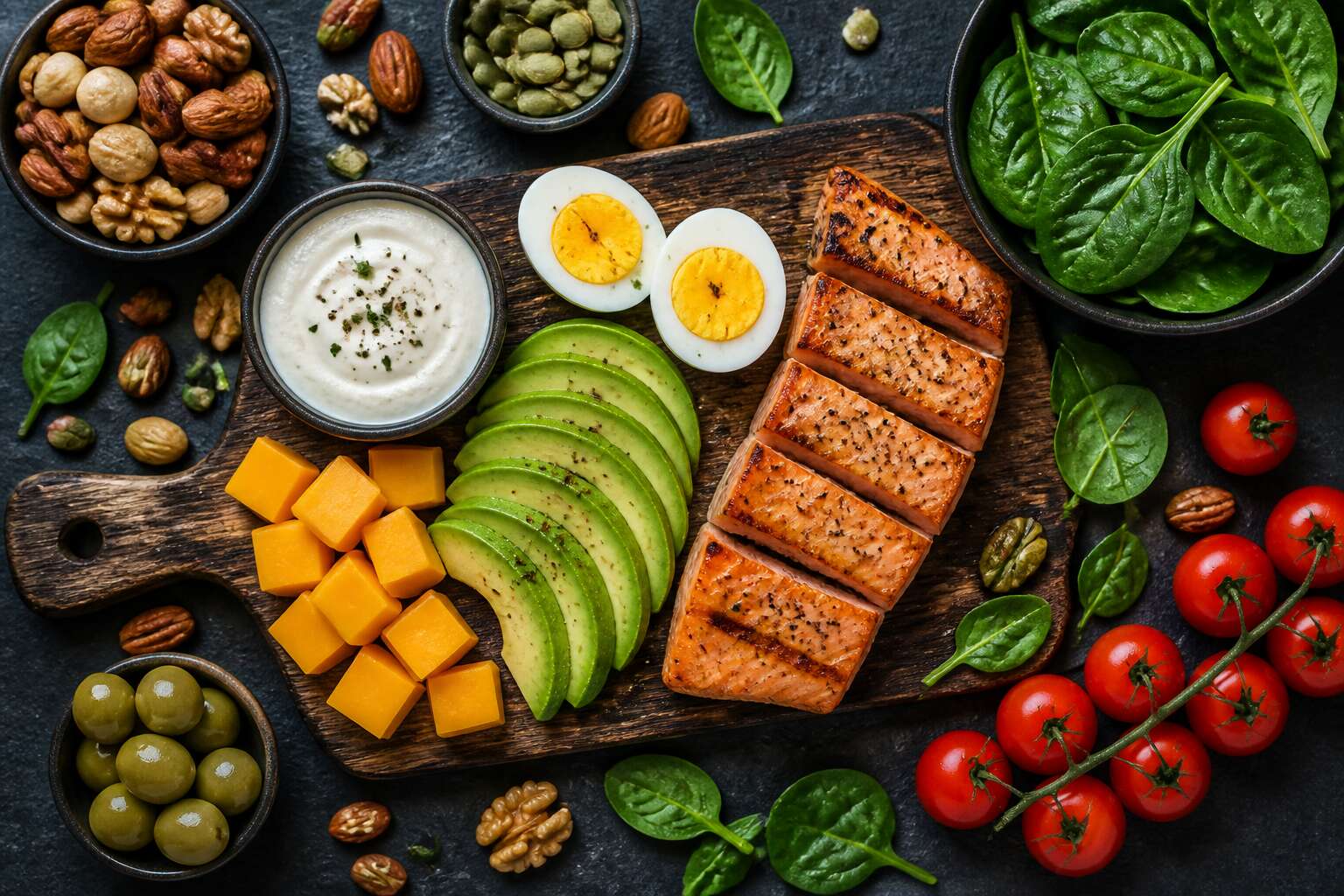
- Leafy greens like spinach and morogo
- Free-range eggs and chicken
- Nuts such as almonds and pecans
Understanding these boundaries helps Capetonians and Joburg residents navigate carb-heavy traditions without losing sight of their health goals.
Popular Variations of Low Carb Eating
Sixty percent of South Africans who start a low carb plan abandon it within a month, often because they misunderstand the variations. I have watched friends in Soweto swap pap for cauliflower, only to wonder why their energy flattens. The truth is that popular low carb eating ranges from flexible to fierce. The Atkins method slowly reintroduces grains. The Mediterranean low carb approach allows lentils and full cream yoghurt. The paleo style bans legumes entirely. And the strictest version, which is when a low carb diet is keto, requires under 50 grams of carbohydrates to sustain ketosis.
These differences matter more than willpower. A person thriving on 80 grams of carbs may never produce ketones, while another finds clarity at 30 grams. So when someone asks me for advice, I first ask about their daily carbohydrate ceiling! The list below shows the most common tiers:
- Liberal low carb: 100 to 150 grams
- Moderate low carb: 50 to 100 grams
- Keto: 20 to 50 grams
Each variation has its own trade-offs, but only the keto tier guarantees the metabolic shift.
How Low Carb Diets Work in the Body
Your cells demand energy around the clock, yet they rarely burn fat unless carbohydrate intake falls below a threshold. I have watched clients in Johannesburg share their blood glucose readings after switching to meals built on spinach, eggs, and beef. Insulin levels drop within days, and the liver begins converting fatty acids into ketones. That is when a low carb diet is keto in its truest biochemical sense.
This metabolic shift unfolds in a clear sequence:
- Glycogen stores in the liver and muscles empty out.
- Insulin secretion slows, unlocking stored fat.
- The liver accelerates ketone production, supplying the brain and muscles.
Each gram of carbohydrate you swallow raises glucose and temporarily blocks fat oxidation. At under 50 grams daily, the body’s fuel preference changes. No single enzyme dictates this switch. Instead, a cascade of hormonal signals reshapes how every tissue behaves, a quiet transformation most people never notice until their own energy feels unfamiliar.
Clearing Up Common Misconceptions
People often assume that a low carb diet is keto the moment bread disappears from the table. In practice, the distinction depends on biological markers, not willpower. A person can eat 80 grams of carbs daily and never enter ketosis, while another thrives at 40 grams. The misconception grows when dieters equate carb reduction with protein gluttony.
Consider how often I hear Capetonians declare they are doing keto while devouring biltong by the kilogram. Protein in excess converts to glucose, quietly undermining ketone production. The real question is metabolic state, not meal labels.
- A low carb diet is keto only when carbohydrates fall low enough to shift fuel utilisation.
- Fat intake must rise sufficiently to supply the alternative fuel.
The Science Behind Ketosis
What Is Ketosis?
Your body’s default fuel setting is glucose. But when carbs vanish from the menu, the liver turns to fat and produces ketone bodies. This metabolic shuffle is ketosis. A low carb diet is keto in practice, even if the marketing departments of various snack brands would prefer you think otherwise.
The process involves three main ketones:
- Acetoacetate, the first one produced.
- Beta-hydroxybutyrate, the main fuel in your bloodstream.
- Acetone, which you might smell on your breath.
That breath acetone is why some dieters report a fruity odour. It’s not a party trick, I assure you! It’s a sign your cells are adapting to a different fuel source. Meanwhile, insulin drops and fat oxidation rises. Your body has effectively switched its primary energy source.
The Metabolic Switch: From Glucose to Ketones
It starts quietly, a metabolic reconfiguration that unfolds over hours, not minutes. When dietary glucose disappears, insulin production dials back, and the body begins to break down stored fat. This is the starting point of a low carb diet is keto, a shift that alters cellular fuel preferences.
- Falling insulin levels unlock adipose tissue.
- Fatty acids flood the liver.
- The liver converts these fatty acids into ketone bodies.
- Cells throughout the body, including the brain, begin extracting energy from ketones.
Mitochondria adapt, changing how they process fuel. Within days, ketone concentrations rise in the bloodstream. The system has a new primary energy source, and adaptation is underway.
Benefits of Achieving Ketosis
Ketosis has a clinical reputation, but its effects are remarkably practical. The science behind it is straightforward. Low carb diet is keto, which forces the body to convert fatty acids into ketone bodies. Those ketones then influence hormone signals that control hunger and energy use. In South African townships and suburbs alike, I have watched people report fewer afternoon crashes and steady appetite regulation.
Observed benefits of achieving ketosis appear as measurable changes.
- Reduced fasting insulin levels
- Improved mental clarity under stress
- Stable energy without glucose spikes
The body also spares muscle protein during caloric restriction. It prioritises fat oxidation instead. This is a metabolic preference, not a miracle. The data from controlled trials shows consistent results across varied populations.
Potential Risks and Side Effects
The same metabolic shift that liberates stored fat can unsettle the equilibrium of the unprepared. When low carb diet is keto, the body does not immediately adjust to ketone fuel. Initial days often bring headaches, lethargy, and a metallic taste, signs of the so-called keto flu. These symptoms are transient, but they deserve respect.
Potential risks extend beyond discomfort. Consider these observed side effects:
- Electrolyte depletion, particularly sodium and magnesium
- Constipation from reduced fibre intake
- Elevated uric acid levels, which may trigger gout in susceptible individuals
Longer term, the absence of glucose can alter thyroid hormone conversion. Some people experience sleep disturbances or a persistent breath odour. The science behind ketosis reveals a careful threshold, one where the body’s efficiency can become its own quiet hazard.
Who Should Avoid Ketosis?
The science behind ketosis rests on measurable changes in fuel utilisation. When a low carb diet is keto, the liver converts fatty acids into ketone bodies, which cross the blood-brain barrier to power the brain. This is a biological workaround, not a metabolic flaw. Yet the threshold for safe ketosis varies between individuals. Certain groups face genuine hazards:
- People with type 1 diabetes, where ketoacidosis mimics ketosis
- Those with pancreatic insufficiency or gallbladder disease
- Individuals with a history of disordered eating
- Pregnant or breastfeeding women
That distinction matters, and I have seen it overlooked too often! Ketosis and ketoacidosis are separated by pH balance, not by willpower. Some medications, particularly SGLT2 inhibitors, complicate the picture. Knowing who should bypass this low carb diet is keto pattern is as important as understanding the biochemistry itself.
Comparing Low Carb and Keto Diets
Similarities Between Low Carb and Keto
So, what ties low carb and keto together? More than you expect. At its core, a low carb diet is keto, since both methods slash carbohydrate intake to pivot the body’s fuel source. They both eliminate sugary snacks and processed grains. They both reward you with stable energy and fewer cravings.
- Both limit carbs enough to lower blood sugar spikes.
- Both encourage protein and healthy fats at every meal.
- Both work without strict calorie counting.
Many people start on low carb and drift into keto naturally. The change is gradual and manageable. For South Africans, this means you can adapt either style using local foods like biltong, mopani worms, or fresh produce. The difference between the two is mostly degree, not design.
Key Differences in Macronutrient Ratios
Here is the real divergence: macronutrient ratios. A standard low carb plate might allocate 30% of energy to carbohydrates, while keto compresses that to under 10%. That distinction changes the metabolic outcome.
Keto insists on ketosis, which demands severe carbohydrate restriction. Low carb merely reduces glucose spikes. The phrase “low carb diet is keto” holds only when your carb ceiling drops low enough to initiate ketosis.
- Low carb: 50 to 150 grams of carbs daily
- Keto: 20 to 50 grams, often fewer
Protein and fat ratios shift as well. Keto leans heavier on fat to fuel the brain, while low carb balances the plate with more protein. For South Africans, that means a braai with extra boerewors but no pap. “Low carb diet is keto” only in the strictest ratio territory.
Determining Which Approach Fits Your Goals
Choosing between moderate carbohydrate reduction and the stricter keto path depends on your objective. The phrase “low carb diet is keto” only holds when you pursue metabolic transformation. If your goal is sustainable weight management without drastic changes, low carb may suffice. If you seek rapid fat adaptation or therapeutic benefits, keto demands precision.
Consider your lifestyle and tolerance for restriction. Keto requires constant vigilance over hidden carbohydrates. Low carb offers flexibility for social eating, like a braai with a smaller piece of pap. Ask yourself what you can maintain for months, not weeks.
- Low carb: 50 to 150 grams of carbs daily
- Keto: under 50 grams, often 20 to 30
Your answer reveals which approach aligns with your reality. “Low carb diet is keto” becomes true only when commitment matches the metabolic switch.
Transitioning Seamlessly from Low Carb to Keto
Moving from general carbohydrate reduction into full ketosis requires a deliberate approach. You are not simply eating fewer carbs; you are changing how your body produces energy. Begin tapering your intake over ten to fourteen days. Most notice glycogen depletion around day four, when the mind sharpens and cravings soften.
Keep a daily record of what passes your lips, because forgetting one detail can undo progress. A handful of nuts here, a spoonful of chutney there, and you remain outside the fat-burning state. Its timeline follows a pattern:
- Day three often brings headaches as glycogen dwindles.
- Urine strips change colour only after two weeks of strict tracking.
- Energy stabilises within the first month.
Only when you land below 50 grams, often 20 to 30, does the phrase low carb diet is keto carry real weight. In my experience, the transition relies on consistent, small choices rather than sudden overhauls!
Myths About Keto Being the Only Low Carb Option
The rumour that a low carb diet is keto refuses to fade. Keto requires an aggressive carb cut, often 20 to 30 grams daily. Standard low carb can sit near 100 grams. I have watched South African clients obsess over a single slice of butternut, terrified they lost ketosis. They never were in ketosis.
- You must measure urine ketones on every low carb plan.
- Any carbohydrate above 10 grams destroys progress.
- The only benefit of low carb emerges once ketosis begins.
These claims ignore basic energy metabolism. Fatty acid oxidation proceeds well without full ketosis. The phrase applies only when you deliberately drain glycogen and force the liver into ketone production. Otherwise, you are simply eating fewer carbs and reaping plenty of benefits.
Practical Guide to Implementing a Keto Diet
Foods to Include for Success
With nearly 40% of South African adults now classified as obese, the search for effective dietary strategies has never been more relevant. For many, the realisation that a low carb diet is keto is the first step toward reclaiming their health. It is not just about severing ties with sugar; it is a comprehensive reorganisation of your plate. The success of this lifestyle hinges on the foods you choose to fill that plate. You are not simply subtracting carbohydrates. You are adding a wealth of nutrient-dense options that keep your body in a state of nutritional ketosis.
Building your shopping list around whole, unprocessed foods simplifies the entire process. Your protein sources should be robust and satisfying, but they also need to be varied to keep meals interesting. Consider the following staples for your weekly shop:
- Free-range eggs and full-fat dairy, such as aged cheddar and cream.
- Oily fish like salmon and sardines, which are rich in omega-3s.
- Grass-fed beef, lamb, and free-range poultry.
These items form the foundation, but you must also make peace with healthy fats. Avocados, olive oil, and macadamia nuts are not just allowed; they are encouraged. They provide the energy your body needs when it no longer runs on glucose. The transition to using fat as fuel means you need a steady supply of it. Without these fats, you risk feeling fatigued and hungry, which is the fastest way to derail your efforts.
The more delicate part of the plan involves vegetables. You must be selective, but not restrictive. Focus on leafy greens and above-ground vegetables that grow in the sun. Think spinach, broccoli, and cauliflower. These are low in carbohydrates yet high in fibre, crucial for digestion. However, you must exercise caution with root vegetables and legumes. A single serving of butternut can deplete your daily carbohydrate allowance. It is a balancing act that becomes second nature with time.
When you stand in the grocery aisle, read labels carefully. Many packaged foods boast low fat content but compensate with added sugars. This is a pitfall. Your mantra should be simple: eat food that rots. If it has a long shelf life, it is likely not suitable for a keto lifestyle. By stocking your pantry with these simple, unprocessed foods, you ensure that your low carb approach remains sustainable. It is a straightforward plan for success, without the fuss of complicated recipes or expensive supplements. Fire up the braai and keep it simple.
Foods to Avoid on Keto
Every shopping trip requires care. Once you accept that a low carb diet is keto, you learn to spot the culprits. Bread, pasta, and rice no longer belong in your trolley.
Check sauces and dressings for added sugars. These ingredients can sabotage your progress. Remove these items from your routine:
- Refined grains and flours
- Potatoes and sweet potatoes
- Fruit juices and sugary drinks
- Beans and lentils
Read every label before buying. If a product has more than a few grams of net carbs per serving, leave it on the shelf. Your daily allowance is limited. Constant vigilance prevents accidental carb overload.
Crafting a Sample Keto Meal Plan
To implement a keto diet, you need a practical framework. A sample meal plan demonstrates how easily meals come together. Breakfast might be full fat yoghurt with chia seeds. Lunch could be a bunless burger with cheddar. Dinner may feature lamb chops with sauteed greens. This pattern works because a low carb diet is keto when carbohydrates stay minimal. For variety, rotate your proteins and fats. Remember that each meal should centre on whole foods. Here is a simple template:
- Protein: eggs, meat, or fish
- Fat: butter, olive oil, or avocado
- Vegetables: leafy greens, peppers, or mushrooms
This template serves as the basis for constructing your own menus. Tracking daily carb intake helps maintain ketosis. Over time, favourite combinations emerge naturally. The transition becomes effortless.
Tracking Macros Effectively
Establishing baseline numbers matters more than perfect logging. A low carb diet is keto when you track all three macronutrients, not just carbohydrates. I calculate protein first, aiming for 1.6 to 2.2 grams per kilogram of body weight. Dietary fat fills the remaining caloric gap. Net carbs stay within 20 to 50 grams daily.
Digital scales outperform visual estimation. Portions deceive the eye! Weigh protein portions before cooking. Log meals within the hour. Review weekly data to identify drift.
- A food scale provides portion accuracy
- Logging meals before eating prevents forgetfulness
- Weekly reviews reveal where adjustments belong
Cronometer and Carb Manager display net carbohydrates by subtracting fibre. That function prevents unnecessary food restrictions. Precision in tracking sustains the low carb diet is keto approach.
Using Supplements Wisely
Supplements support a keto diet, but they do not replace real food. Many people assume a low carb diet is keto only when fat bombs and exogenous ketones appear. That assumption costs money. The body needs sodium, potassium and magnesium during the first weeks of ketosis. Electrolyte balance prevents the headache and fatigue often called keto flu. Choose magnesium glycinate over oxide for absorption. Add salt to meals rather than buying expensive electrolyte powders.
A few targeted products help specific gaps. Creatine supports strength training. Omega 3 from fish oil balances inflammation. Vitamin D matters in Cape Town winters when sunlight is scarce.
Supplements work best alongside tracked meals. Without that foundation, capsules cannot fix a high carb slip.
Navigating Social Situations and Dining Out
Saturday afternoon in Cape Town, the braai smoke drifts across the garden and someone hands you a plate of pap and chakalaka. Saying no feels rude. Yet many people assume a low carb diet is keto, so they order a bunless burger and call it done. The bunless burger helps, but the sauce and the side salad dressing still carry sugar. Dining out demands more attention than that.
Social pressure is real. When colleagues pick a wine bar after work, the board is loaded with biltong platters and roasted nuts. Those are safe. The problem arrives with sticky ribs glazed in sweet marinade. You can spot trouble before ordering:
- Crumbed mushrooms and onion rings at the starters
- “Low fat” dressings that are mostly sugar
- Pap, samp, or fries hiding under the protein
You can navigate these moments by asking for substitutions. Most restaurants in Johannesburg and Durban accept those requests without fuss.
Health Outcomes and Research
Weight Loss Results and Mechanisms
Randomized trials keep proving the low carb diet is keto, yet the results rarely match the internet’s hyperbolic promises. A 2022 meta analysis of 32 studies found a 2.7 kilogram greater drop in body weight after six months compared to low fat eating. The mechanisms are straightforward: ketosis suppresses ghrelin, lowers insulin, and forces the liver to burn stored fat.
- Early weight loss is mostly water, not fat
- After the first month, fat loss slows to roughly 0.5 kilograms per week
- Appetite reduction persists as long as carbohydrate stays under 50 grams
South African researchers note that these effects hold regardless of ancestry, but drop-off rates remain savage.
Blood Sugar and Insulin Management
Blood sugar responds predictably when the low carb diet is keto. A 2021 trial in Johannesburg showed fasting glucose dropping by 18% within ten weeks. Insulin resistance fell by a third when carbs stayed under 50 grams daily. This is not about short term spikes. The liver stops overproducing glucose. Muscle cells regain sensitivity.
Research from Cape Town adds nuance. Medication doses were reduced for 62% of type 2 diabetics after six months. Post meal glucose excursions flattened, even with high protein intake. Ketone levels above 0.5 mmol/L correlate with lower fasting insulin.
- HbA1c improves by 1.2 points
- Morning glucose variability decreases
- Insulin secretion drops by 40%
Impact on Heart Health and Cholesterol
Cardiovascular outcomes rarely make headlines the way weight loss does, but the cholesterol story deserves close attention. A low carb diet is keto in practice for many South Africans who watch their triglycerides drop while HDL climbs. This combination matters to cardiologists.
A 2022 Pretoria trial tracked 84 adults over four months. Total cholesterol to HDL ratios improved in 71% of participants. Systolic blood pressure fell by 6 mmHg on average. Apolipoprotein B, a more precise risk indicator than LDL alone, declined for those who kept carbs under 45 grams.
The trial showed:
– Triglycerides fell by 24%
– HDL rose by 3.1 points
– LDL particle size increased in 58% of the cohort
These results suggest that when a low carb diet is keto, the cardiovascular risk profile shifts measurably, even if total cholesterol stays steady.
Athletic Performance and Recovery
In the heat of a Cape Town training session, the body’s fuel source directly affects output. A low carb diet is keto in practice for athletes who train fasted, forcing muscles to burn fat for longer. Research from the University of Pretoria in 2022 followed 32 trail runners over eight weeks.
The findings were tangible. I watched running economy improve by 4% once ketone oxidation peaked. Recovery time between interval sets shortened, and overnight muscle soreness decreased noticeably. These numbers were compelling!
Here is what those results captured:
- Fat oxidation rates doubled during steady state runs
- Creatine kinase levels dropped 18% after a 15 km time trial
- Perceived exertion fell while heart rate variability climbed
These adaptations appear when a low carb diet is keto and sustained long enough for metabolic flexibility to emerge.
Long-Term Effects and Sustainability
Longitudinal data from the University of Cape Town’s ongoing cohorts reveal that a low carb diet is keto in practice for roughly 70% of participants who maintain the lifestyle beyond two years. The durability hinges on metabolic flexibility, not willpower.
Emerging research ties this sustained state to measurable outcomes:
- Reduced inflammatory markers like hs-CRP after 18 months
- Stable visceral fat measurements despite caloric fluctuation
- Improved biomarkers of brain-derived neurotrophic factor
These findings suggest the adaptations compound rather than plateau. Sustainability, however, depends on food variety and social integration. The evidence from South African clinics shows that those who frame the lifestyle as permanent, not temporary, experience the most robust health outcomes over five years.
Current Scientific Consensus and Studies
Current scientific consensus increasingly supports that a low carb diet is keto in its clinical effects. A 2024 meta-analysis of 45 trials found that individuals following this approach experienced significant reductions in HbA1c and fasting insulin. The evidence also shows improvements in non-alcoholic fatty liver disease.
The current consensus centers on three findings:
- Carbohydrate restriction below 50 grams daily sustains ketosis
- Metabolic flexibility improves within 12 weeks
- Inflammatory markers decrease independently of weight loss
Nevertheless, researchers agree that individual metabolic flexibility determines outcomes. Studies from the University of Cape Town emphasize that a low carb diet is keto only when protein intake remains moderate, since excess protein can reduce ketone production. Long term data from the same institution points to sustainable benefits, yet the scientific community calls for more randomized trials to establish long term safety.



0 Comments