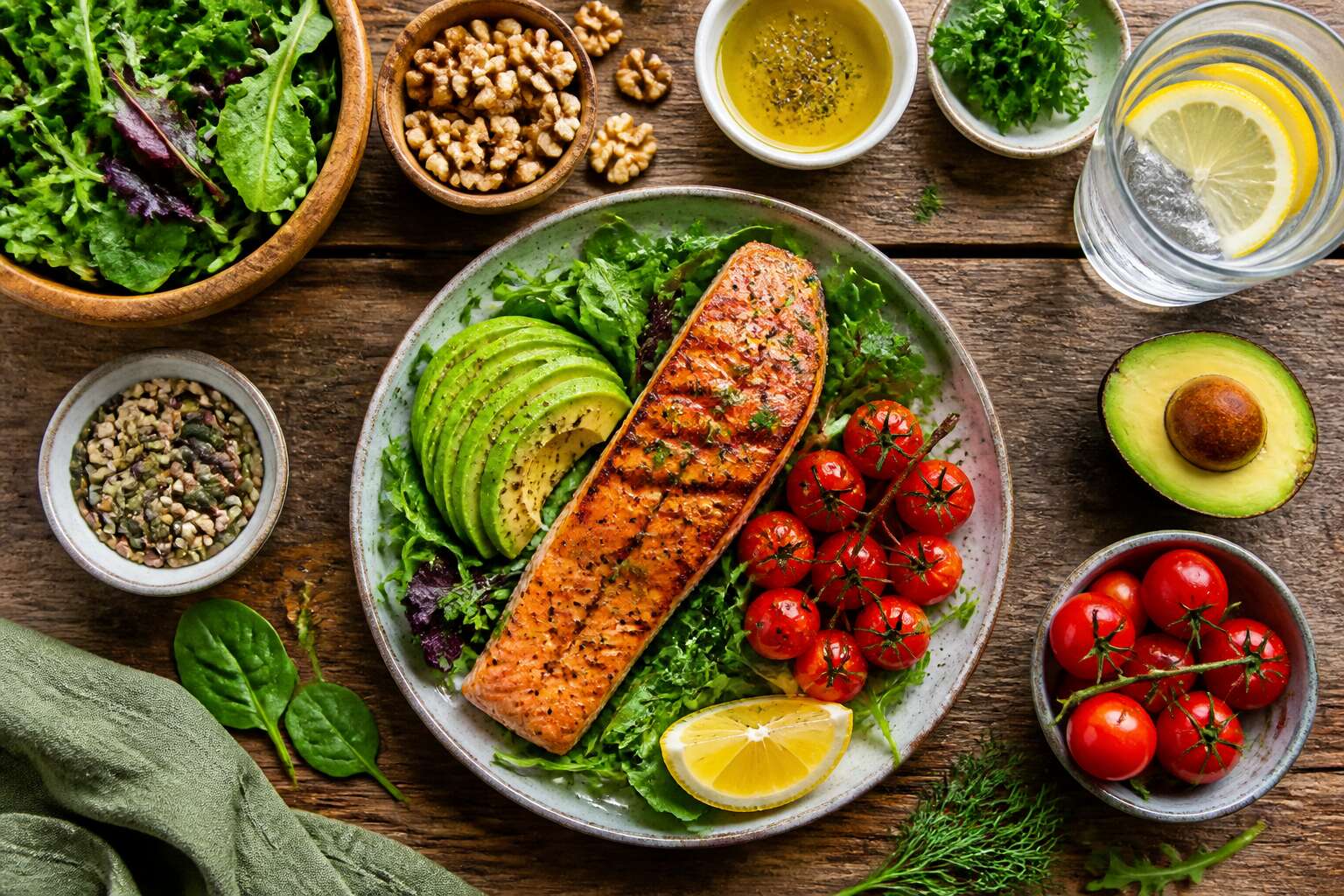
The Science Behind Cholesterol and Carbohydrates
How Dietary Cholesterol Affects Blood Cholesterol
Only 20% of our blood cholesterol comes directly from what we eat! The liver manufactures the rest, guided by insulin and carbohydrate intake. Refined carbs trigger cholesterol production, while dietary cholesterol has a modest, individualised effect.
Several factors determine your response:
- Carbohydrate quality, especially refined forms.
- Insulin sensitivity and baseline metabolic health.
- Individual genetic variation in cholesterol absorption.
This changes the debate around a low carb and low cholesterol diet. Replacing carbs with fats raises LDL in some people, but it often improves HDL and lowers triglycerides. The real metabolic driver is insulin resistance, not the cholesterol on your plate.
The Role of Insulin and Carbohydrate Metabolism
About 80% of your blood cholesterol is produced by the liver in response to insulin. When I eat refined carbs, that hormone spikes, and cholesterol production goes up. This is why a low carb and low cholesterol diet focuses on the insulin signal rather than the egg on your plate.
Insulin resistance complicates the process. Cells become unresponsive, so the pancreas secretes extra insulin. That excess hormone drives cholesterol synthesis far more than dietary cholesterol ever could!
- Refined carbohydrates stimulate stronger insulin responses than fats do.
- Insulin resistance keeps baseline insulin levels high, promoting constant cholesterol production.
- Carb restriction lowers insulin, which often raises HDL and lowers triglycerides.
Understanding this hormonal pathway explains why a low carb and low cholesterol diet centers on carbohydrate metabolism instead of eliminating every food containing cholesterol.
Saturated Fat vs. Refined Carbs: What Matters More
For decades, the South African dinner table has operated on a peculiar social contract. The fatty chop is scolded while the bread basket receives a warm welcome. I have watched guests decline a lamb chop while piling their plates with pap, unaware of the trade they are making.
We now understand that saturated fat does not command the liver’s cholesterol production. Refined carbohydrates do. They arrive with insulin spikes, and cholesterol synthesis accelerates accordingly.
- Saturated fat modestly alters LDL particles in some individuals
- Refined carbohydrates raise triglycerides and suppress HDL
- Insulin drives hepatic cholesterol synthesis more powerfully than any dietary fat
This is why a low carb and low cholesterol diet watches the carbohydrate rather than the cut of meat. The true offender at the braai was never the butter!
Building a Low-Carb, Heart-Safe Food List
Vegetables and Fruits That Fit the Plan
In South Africa, only 12% of adults consume enough vegetables, a gap that a low carb and low cholesterol diet can directly address. Choosing produce with high fibre and low glycaemic load is essential. Leafy greens like spinach and morogo provide folate and magnesium. Avocados deliver monounsaturated fats without raising LDL cholesterol. Berries, such as blueberries and strawberries, offer antioxidants with minimal sugar. Consider these heart-safe options:
- Spinach and kale for folate and magnesium
- Avocados for monounsaturated fats
- Courgettes and cauliflower for low carb meals
- Naartjies for vitamin C with careful portioning
These selections align with this eating pattern, giving you both satiety and phytonutrient density. The diversity of textures and flavours makes adherence simpler over the long term.
Choosing Quality Proteins and Healthy Fats
The heart of this way of eating lies not in restriction, but in deliberate selection. When building a low carb and low cholesterol diet, the proteins and fats you choose become the very pillars of your health. Convenience often pushes us toward processed meats, but the South African palate has a rich heritage of lean, fresh options that serve the body better. A handful of nuts offers a satisfying crunch and a dose of plant sterols, while rich, oily fish like snoek provides the omega-3s that support a healthy lipid profile.
Quality is the guiding principle. The source of your food matters as much as the macronutrient count. Consider the simple purity of free-range eggs or the lean cut of a grass-fed steak. These choices provide satiety without the burden of excess saturated fat. The quiet act of choosing a fillet of fish over a fast-food burger is a declaration of self-worth. It is a subtle rebellion against the tide of convenience.
– Prioritize cold-water fish for their beneficial fat profile.
– Embrace poultry and game meats for their lean protein.
– Use olive oil as your primary source for dressings and cooking.
– Include seeds for their texture and mineral density.
Building a low carb and low cholesterol diet is a personal pursuit of vitality. It is a move away from the empty calories that leave us feeling heavy, toward foods that are dense with purpose. This is not a punishment, but a return to a more honest way of eating. The plate becomes a small stage for a new lifestyle, one where every forkful is a choice for a longer, more vibrant life. The journey is a personal one, a quiet agreement between you and your body to do better.
Whole Grains vs. Grain-Free Options
The average South African plate leans heavily on maize meal, yet that single starch is not the only route to satiety. For a low carb and low cholesterol diet, the grain question demands nuance. Whole grains like sorghum and teff deliver fibre and minerals, while refined breads raise insulin and offer little in return. Grain-free alternatives, such as cauliflower rice or almond flour, strip away the carbohydrate load entirely. The choice hinges on understanding what your body does with each option.
- Weigh your metabolic response to whole grains versus grain-free substitutes.
- Read labels for added sugars hidden in seemingly healthy breads.
- Try sorghum porridge as a slower releasing breakfast base.
Both paths can support a low carb and low cholesterol diet, but only when portions are measured and processing stays minimal.
Sneaky Sources of Hidden Sugar and Saturated Fat
One tablespoon of sweet chutney contains more sugar than a teaspoon of honey. That is the reality of building a heart-safe grocery list. When you commit to a low carb and low cholesterol diet, the obvious sources are easy to spot. The subtle sources are in condiments, marinades, and ‘light’ snacks.
Check the nutrition panel on flavoured yoghurt or breakfast sausages. Both can pack saturated fat and syrups that your insulin never asked for. Look out for terms like ‘maize syrup’ or ‘hydrated palm oil’ on local shelves.
- Tomato sauce: 4g sugar per serving
- Chicken stock cubes: hidden fat and starch
- Fruit juice: liquid sugar without the fibre
These items slip past even disciplined eaters. Reading every label, even for items labelled ‘healthy’, is the only defence.
Creating Balanced Meals That Support Both Goals
A Simple Plate Method for Carb and Fat Awareness
On a strict low carb and low cholesterol diet, the plate demands attention. It is easy to obsess over the scale, but the geometry of the meal does the work. I prefer dividing the plate into three rough zones: non-starchy vegetables, a modest protein portion, and a tiny corner for resistant starches or whole grains. I am talking about proportions, not precise grammes, and this is where the low carb and low cholesterol diet thrives.
- Fill half the plate with spinach, broccoli, or cauliflower.
- Allocate a quarter to lean protein such as grilled chicken or fish.
- Reserve the last quarter for legumes or a small serving of whole grains.
This visual cue prevents the carb portion from expanding into a side dish. It forces you to treat fat strategically, integrating avocados or nuts as deliberate garnishes rather than accidental add-ons. Forget the calculator. Your eyes do a fine job of measuring portions.
Breakfast Ideas That Start the Day Right
Breakfast shapes daily metabolic regulation, yet it remains the meal most likely to be sabotaged by convenience. On a low carb and low cholesterol diet, the morning plate needs structure without rigidity. I lean on eggs cooked in olive oil or plain Greek yogurt with ground flaxseed, offering protein without saturated fat overload.
- Spinach and mushroom omelette with a side of tomatoes.
- Overnight oats made with unsweetened almond milk and chia seeds.
- Smoked trout with cucumber slices and low fat cottage cheese.
Anchor each choice with fibre and protein, leaving no room for empty carbohydrate cravings before lunch. This approach supports cholesterol management and carbohydrate restraint without elaborate preparation.
Lunches That Avoid the Afternoon Slump
The midday meal often determines whether the rest of the day holds focus or frustration. A lunch heavy in refined carbohydrates sets up a cycle of energy crashes and subsequent cravings that undermine all previous discipline. On a low carb and low cholesterol diet, the goal for lunch is to construct a meal that provides stable fuel release without the inflammatory burden of saturated animal fats.
I find that building a plate around legumes, leafy greens, and a modest portion of lean protein satisfies hunger for hours. The trick lies in the assembly. Cooking with unsaturated oils like avocado or canola, rather than butter or lard, keeps the cholesterol profile in check while maintaining flavour. For a remarkable lunch that meets these criteria, consider this combination:
- Grilled chicken breast with a barley and roasted pepper salad
- Lentil soup with a side of steamed broccoli and a drizzle of olive oil
- Canned tuna mixed with Greek yoghurt and chopped celery, served over a bed of rocket
The structure of the meal reduces decision fatigue. When you establish a rhythm where every lunch contains a fibrous vegetable, a plant-based fat source, and a lean protein, the afternoon slump loses its grip. You simply do not experience the same drop in blood sugar that follows a sandwich or a pasta dish. This consistent approach to lunch ensures that the low carb and low cholesterol diet remains sustainable, not because of sheer willpower, but because the food itself keeps you steady until the evening meal.
Dinners That Satisfy Without Raising Cholesterol
The evening meal carries its own weight. After a day of discipline, dinner is where many of us falter, reaching for heavier proteins or creamy sauces that work against a low carb and low cholesterol diet.
Building a plate that satisfies without raising cholesterol comes down to cooking technique. Braising, grilling, and roasting replace frying. A fillet of snoek or hake, paired with roasted cauliflower and smoked paprika, delivers depth without added animal fats.
Consider these structures for a reliable dinner rotation:
- White fish with a salsa of tomato, red onion, and fresh coriander
- Stir-fried tofu and bok choy in a sesame and ginger dressing
- Roasted butternut and chickpeas over baby spinach with tahini
Every element on the plate serves a purpose. Protein supplies satiety, vegetables offer volume, and plant fats carry flavour. This pattern keeps dinner steady when hunger strikes at dusk.
Smart Snacking and Dessert Alternatives
The three o’clock hunger pang is where a low carb and low cholesterol diet officially meets its end. A vending machine biscuit or a cheese toastie seems innocent enough, yet both derail the careful work of breakfast and lunch. The remedy is not willpower; it is preparation. Snacks should offer a transition, not a reward. A handful of almonds and a square of dark chocolate (85% cocoa) provides fat and bitterness that satisfies without sending glucose on a rollercoaster.
Dessert poses a similar challenge. After a plate of roasted snoek or stir-fried tofu, the palate craves closure. The solution is to treat sweetness as a flavour note, not a main event.
– Poached pear dusted with cinnamon and ground cloves
– Frozen berries warmed with a spoonful of unsweetened coconut cream
– A thin slice of aged gouda with a few fresh figs
These options honour the craving while respecting the metabolic goals. The trick is portion control and a refusal to substitute artificial sweeteners. Real food, in small amounts, is a low carb and low cholesterol diet’s most reliable ally.
Overcoming Challenges and Staying on Track
Managing Cravings When Reducing Both Carbs and Fat
The brain doesn’t care about your cholesterol numbers. It wants a doughnut. When you cut both carbs and fat, that demand becomes loud. This is not a failure of discipline. It’s a biological signal triggered by a sudden drop in calorie density. Your tastebuds, your gut, and your old habits form a committee that votes for the previous meal plan. The good news is that the committee tires out. After roughly two weeks, the vote swings the other way. Cravings lose their authority. That adjustment period is the true test of a low carb and low cholesterol diet. Treat cravings as weather, not as instructions. They pass. Let them.
When you commit to a low carb and low cholesterol diet, the second week matters more than the first. By day ten, the brain rewires itself to accept fuel from a different source. You stop looking for sandbags in a grocery store. You learn that a craving is not a command. It’s a memory. A memory without a body attached. Let it walk through the room and out again.
Dining Out and Travel Strategies
On the road, the low carb and low cholesterol diet gets tested by airport lounges and hotel buffets. I sat in Johannesburg traffic and asked myself if I could order dinner without butter. I could. Hand the menu to the waiter and ask for the leanest cut. Travel removes structure, and structure is the real discipline.
For road trips, pack a cooler with boiled eggs and pickled fish. That foresight turns a petrol station detour into a scenic stop, not a crisis. Skip the bread basket and ask for extra greens. Kitchens respect a specific request more than a vague intention.
Three rules keep me steady:
- Choose restaurants that list calories or origin of meat, because they control oil portions.
- Order a salad as a main and a soup as a side, which fill the stomach without padding the arteries.
- Carry a packet of roasted nuts to manage the hunger.
Reading Nutrition Labels for Two Health Targets
Reading nutrition labels is the quiet test of a low carb and low cholesterol diet. I once stood in a grocery aisle, turning a jar of peanut butter over. The front said no cholesterol. The back listed palm oil and sugar. Two targets, one label.
Manufacturers hide portion size tricks. A packet might say 25 grams per serving, but real servings are larger. I check the per 100 gram numbers first. Then I scan for these:
- Total carbohydrates and fibre
- Saturated fat and cholesterol
- Hidden sugar names
Those three lines reveal whether a food fits my low carb and low cholesterol diet. If the label confuses me, I put it back. That decision keeps me steady without extra discipline.
Supplement Considerations: Fiber, Omega-3s, and More
Supplements are the Wild West of nutrition. One capsule promises boundless vitality. Another merely produces costly urine. On a low carb and low cholesterol diet, the true challenge isn’t swallowing pills. It’s identifying which ones earn their shelf space. Fiber deserves priority. Psyllium husk bulks stool and binds bile acids, a move that directly assists cholesterol management. Omega-3s from fish oil or algae lower triglycerides without adding a single gram of carbohydrate. Magnesium often plummets when carb intake shrinks, causing cramps and restless nights.
- Psyllium husk for daily fiber
- Fish oil or algal oil for omega-3s
- Magnesium glycinate for sleep and muscle function
Scrutinise the fine print. Some powder blends sneak in maltodextrin, a sugar cousin that torpedoes your carb target. Read the label like a detective. That habit keeps you steady when the supplement aisle shouts promises.
Tracking Progress Beyond the Scale
Tracking progress on a low carb and low cholesterol diet rarely follows a straight line. The scale can stall for weeks while your body adjusts its water balance and metabolic set point. That is why I ask clients to measure victories that have nothing to do with weight.
Notice how your clothes fit around the waist. Check whether your energy stays steady after meals. Record your blood pressure and lipid panel numbers every three months. These markers often improve before the scale moves. One woman I worked with lost no weight for six weeks, yet her triglycerides dropped by a third.
- Morning stiffness fading
- Better sleep quality
- Fewer cravings for sugary snacks
Keep a simple journal of these signals. When motivation dips, reviewing that list reminds you that the low carb and low cholesterol diet is working beneath the surface.
When to Consult a Dietitian or Doctor
Staying on a low carb and low cholesterol diet often tests your resolve. Cravings fade, but social pressure and hidden fats lurk everywhere. When progress stalls, review your food diary for portion creep. Some challenges require clinical eyes. Consult a dietitian if you feel fatigued or your energy collapses after meals. See a doctor if you notice chest tightness, palpitations, or unusual breathlessness. These symptoms may signal electrolyte imbalances or medication interactions. Professional guidance becomes essential when:
- Your LDL cholesterol rises unexpectedly
- You lose more than one kilogram per week unintentionally
- You struggle to maintain adequate fibre intake
A healthcare provider can adjust your plan without abandoning the low carb and low cholesterol diet. They also monitor kidney function and liver enzymes. Regular check-ins every three months prevent silent complications. Your body’s warnings are data, not obstacles. Always heed them very early to keep your heart and metabolism in balance!


0 Comments