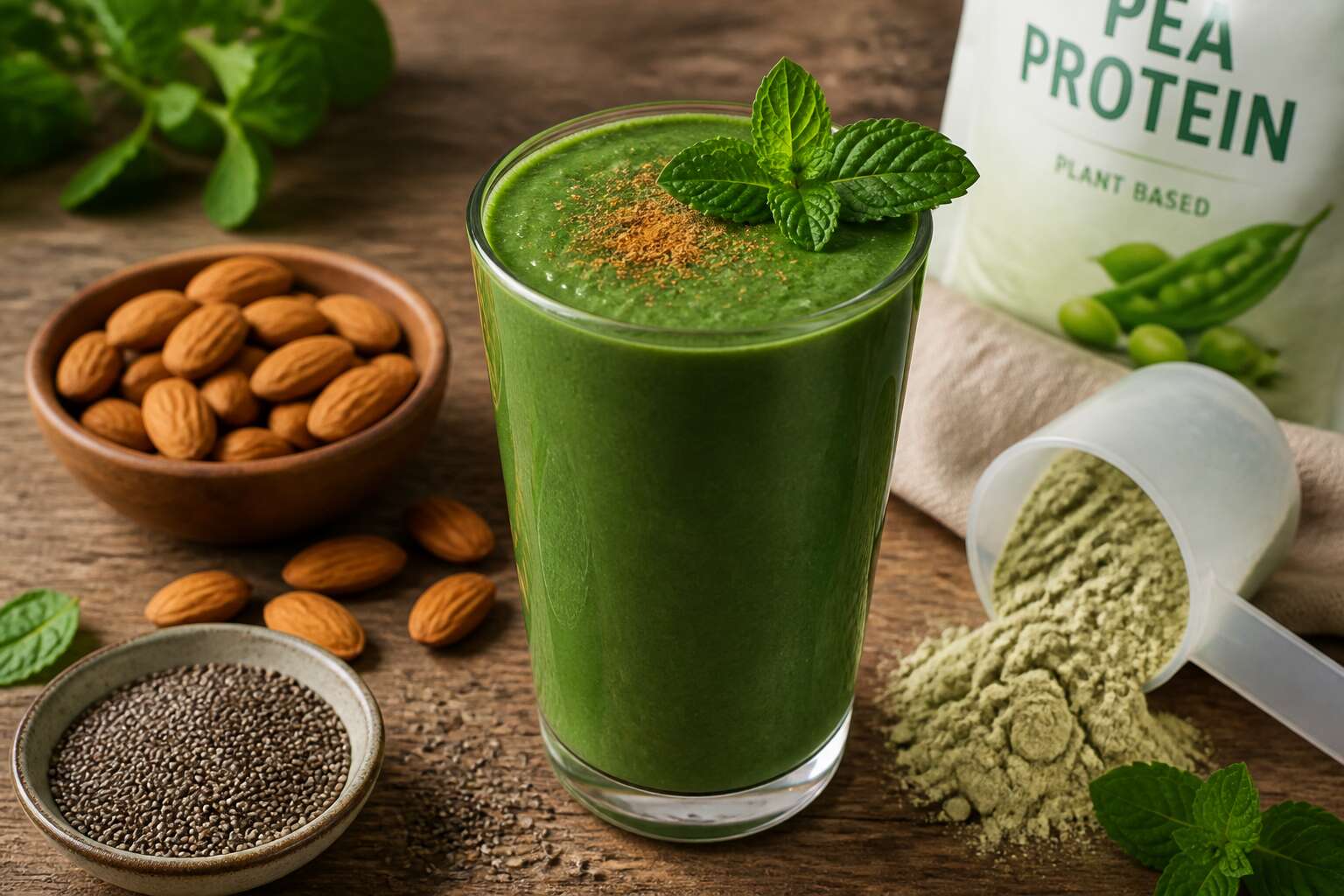
Why Pea Protein Is a Smart Choice for Low-Carb Diets
Macronutrient Breakdown: Protein, Carbs, and Fiber in Pea Protein Isolate
Pea protein isolate delivers a remarkably clean macronutrient profile. In a typical 30 gram scoop, you find around 25 grams of protein, under 1 gram of carbohydrates, and roughly 2 grams of fiber. That fiber matters for digestion, but the low carbohydrate load is what makes it ideal for ketogenic or simply carb conscious eating! The protein itself is rich in lysine and arginine, which supports muscle recovery without unexpected sugar spikes.
I consider the practical numbers:
- Protein: 25 g per serving
- Net carbs: less than 1 g
- Fiber: 2 g
This clarity lets you build low carb pea protein shake recipes with confidence. You know exactly what enters your glass, which simplifies tracking and keeps your daily carb budget intact.
How Pea Protein Compares to Whey and Collagen for Ketogenic Diets
Pea protein offers an advantage that whey cannot always match. Many whey powders contain lactose remnants, which can unsettle a sensitive gut or quietly add carbs to your daily total. Collagen, while virtually carb free, lacks tryptophan and lysine, making it a poor sole source for muscle repair. Pea protein sidesteps both issues with a complete amino acid profile and a neutral effect on blood sugar.
Blending also matters. Whey tends to froth excessively, collagen leaves shakes thin, and pea protein produces a thick, creamy base that holds up against ice and nut milk. For anyone on a ketogenic plan, this texture supports satiety, which helps appetite control between meals.
- Whey: fast absorption, but possible lactose load
- Collagen: negligible carbs, yet incomplete protein
- Pea protein: steady digestion, complete amino acids, low carbohydrate load
This reliability explains why low carb pea protein shake recipes appear so often in meal plans across South Africa.
The Amino Acid Profile of Pea Protein and Its Impact on Muscle Recovery
When carbohydrate intake drops, every gram of protein must work harder. Pea protein isolate delivers leucine, the amino acid that signals muscle repair, at levels comparable to whey. This matters for low carb eaters who want to preserve lean mass while in ketosis.
The amino acid profile also includes lysine and arginine. Lysine supports collagen formation, while arginine improves blood flow to muscle tissue. Together, they make pea protein a complete source for recovery without adding sugar.
If you track macros, look for these:
- Leucine above 8% of total protein
- Arginine for nitric oxide support
- Lysine to maintain connective tissue
These features explain why low carb pea protein shake recipes keep appearing in South African training nutrition plans!
Understanding Net Carbs vs. Total Carbs in Protein Powders
South African nutrition labels list total carbohydrates, but your body processes fiber differently. Fiber passes through the digestive tract without raising blood glucose, which is why net carbs subtract it from the total. A pea protein isolate with 3g of total carbs and 2g of fiber delivers only 1g of net carbs per scoop. That distinction matters when you are crafting low carb pea protein shake recipes around a strict ketogenic budget.
Some powders use bulking agents or natural sweeteners that add hidden sugars. Erythritol and stevia do not count toward net carbs, while maltodextrin absolutely does. Check the ingredient list, not just the front label. I have seen products claim 2g of carbs per serving, yet the label reveals tapioca starch pushing that number higher.
- Look for isolates with minimal added ingredients
- Verify fiber content to calculate true net carbs
- Confirm sweeteners are erythritol, stevia, or monk fruit
When you understand this calculation, you gain real control over your daily intake. Measuring net carbs correctly means your low carb pea protein shake recipes stay within your targets without sacrificing the protein your muscles require.
The Top Low-Carb Mix-Ins to Elevate Your Pea Protein Shake
Unsweetened Nut Milk Varieties and Their Carb Counts
Unsweetened almond milk contains only 0.6 grams of carbohydrates per cup. That margin matters when you craft low carb pea protein shake recipes, because every ingredient adds to the total. I tested several nut milk varieties in my own kitchen:
- Almond milk, 0.6 grams
- Cashew milk, 1 gram
- Coconut milk, 1 gram
- Macadamia milk, 0.5 grams
Soy milk reaches 2 grams per cup, which still fits many keto plans. To elevate the shake, stir in ground flaxseed at 2 grams per tablespoon or hemp hearts at 1 gram per two tablespoons. A pinch of cinnamon adds flavor without any carbs, and unsweetened cocoa powder contributes 1 gram per tablespoon. These mix-ins give the drink texture and richness while keeping the carb count low.
Healthy Fats That Boost Creaminess Without Adding Sugars
A shake made only of protein powder and water tastes thin. The fix is fat. In low carb pea protein shake recipes, the fat source decides whether the drink feels indulgent or forgettable.
Half a small avocado adds 6 grams of monounsaturated fat and under 1 gram of net carbs. It blends into a silky base. Macadamia butter, a local staple, brings 8 grams of fat per tablespoon with less than 1 gram of carbs. I keep a jar in my pantry for this exact purpose.
- MCT oil: zero carbs, smooth mouthfeel
- Coconut cream: 1 gram of carbs per tablespoon, full body
- Almond butter: 3 grams per two tablespoons, adds depth
The Best Sugar-Free Sweeteners for Strong Flavors
Flavour is the difference between a health habit and a daily punishment. Most low carb pea protein shake recipes fail at this point, not because the powder is weak, but because the mix-ins are bland. Ground cinnamon offers warmth without a single gram of carbohydrate. Unsweetened cocoa powder masks the vegetal note of pea protein. A pinch of sea salt lifts every other flavour, a trick borrowed from bakers.
The sweetener decision deserves equal care. South African shoppers have moved beyond saccharin, and the current sugar-free sweeteners are more refined. Stevia drops dissolve instantly in cold shakes. Monk fruit delivers clean sweetness with no cooling aftertaste. Erythritol adds slight bulk, useful if you prefer a thicker texture.
- Stevia: zero carbs, potent, start small
- Monk fruit: zero carbs, balanced, no aftertaste
- Erythritol: low carb, subtle cooling, adds texture
Using Leafy Greens and Cucumber to Increase Volume
Cucumber adds volume through its water content, and I rely on it for a light shake. This dilutes pea protein while providing freshness. Leafy greens contribute structure. Spinach blends without tasting strong. Kale holds more fiber and needs longer blending. The combination feels substantial.
For your low carb pea protein shake recipes, these ingredients change texture without adding significant carbs. Choose greens with care!
- Spinach: neutral and smooth
- Kale: dense and fibrous
- Swiss chard: earthy and robust
Cucumber works with any of these. It hydrates as it thickens. You drink a full meal instead of a quick supplement.
Spices and Low-Carb Flavor Extracts to Mask Earthy Notes
Pea protein’s earthy profile can taste like a rugby boot that has seen better days. Spices fix this without wrecking your macros. Ground cinnamon adds warmth and masks bitterness, while nutmeg works in smaller doses. Cardamom is the overachiever, bringing a fragrant lift that makes your shake feel like dessert.
Low-carb flavor extracts are the other weapon in your arsenal. Vanilla extract rounds off rough edges. Peppermint gives a clean, cooling finish. Almond extract adds a subtle marzipan note. For South African palates, rooibos tea powder offers a local twist that pairs well with vanilla.
- Ground cinnamon
- Vanilla extract
- Peppermint extract
- Cardamom
These low carb pea protein shake recipes stay keto-friendly while tasting like an actual treat rather than punishment. A drop of extract goes further than you expect, so start small and adjust. The right mix-ins transform a functional shake into something you look forward to drinking.
Five-Star Low-Carb Vanilla Pea Protein Shake Recipes
A Simple Vanilla Almond Shake with a Silky Texture
A five-star vanilla almond shake needs more than good flavor. The silky texture comes from the blending sequence, and this version stands out among low carb pea protein shake recipes. I have tried many powders, and the secret is always the order.
Start with two cups of cold unsweetened almond milk. Add one scoop of vanilla pea protein, one tablespoon of almond butter, and a pinch of sea salt. Let the mixture sit for one minute before blending.
- 2 cups cold unsweetened almond milk
- 1 scoop vanilla pea protein
- 1 tablespoon almond butter
- Pinch of sea salt
- 3 ice cubes
Blend for forty seconds, then add the ice and blend again. The result is thick and creamy! The almond butter rounds out the flavor profile, and the salt sharpens the vanilla. This shake works for a quick snack or a post workout drink.
Vanilla-Berry Delight with Frozen Strawberries and Chia Seeds
The vanilla berry shake turns a handful of frozen strawberries into a thick, cold pleasure. Chia seeds add a subtle crunch and a gentle thickening power that transforms the texture entirely. This recipe belongs among low carb pea protein shake recipes because it needs no sweetener.
Use one cup of unsweetened almond milk, one scoop of vanilla pea protein, half a cup of frozen strawberries, and one tablespoon of chia seeds. Blend until the berries are fully broken down. Let the shake rest for two minutes so the chia seeds can swell and create a pudding like body.
- The berries contribute only a few grams of natural sugar.
- The chia seeds deliver omega 3 fats and fiber.
This combination keeps the carb count low while satisfying a sweet craving with real fruit. For anyone tracking low carb pea protein shake recipes, this version offers a dependable option.
Iced Vanilla Matcha Pea Protein Smoothie
For those who crave a cold, energizing start, the iced vanilla matcha pea protein smoothie stands out among low carb pea protein shake recipes. Matcha powder introduces a grassy, complex bitterness that vanilla pea protein softens with a smooth, mellow finish. Unsweetened almond milk keeps the base light, while ice creates a frothy, chilled texture that feels substantial without added sugar.
To build this version, combine one scoop of vanilla pea protein with half a teaspoon of ceremonial grade matcha, one cup of unsweetened almond milk, and a handful of ice cubes. Blend until the matcha disperses completely, leaving no dry pockets. Matcha provides a gentle caffeine lift and catechins that support metabolism; the protein sustains satiety. For those tracking low carb pea protein shake recipes, this smoothie delivers roughly two grams of net carbs per serving, making it a reliable choice for a low impact breakfast. That is a satisfying trade for a bit of leafy green character!
Vanilla Peanut Butter Cup Shake Using Natural Peanut Butter
Natural peanut butter adds a dense, roasted richness that transforms vanilla pea protein into something close to dessert. The trick is using unsweetened peanut butter with no added palm oil or sugar. A spoonful of smooth or crunchy style works, though smooth blends more evenly into the shake.
- One scoop vanilla pea protein
- One tablespoon natural peanut butter
- One cup unsweetened almond milk
- Ice and a pinch of salt
Blend until the peanut butter completely emulsifies. The result has a thick, creamy mouthfeel with about four grams of net carbs. For anyone building low carb pea protein shake recipes, this version earns five stars: it satisfies chocolate cravings without the sugar crash. The fat from the peanuts slows digestion, keeping hunger at bay longer than a standard fruit smoothie.
Cinnamon Vanilla Dolce-Style Shake with Sweetener Options
For a five star take on vanilla pea protein, the cinnamon vanilla dolce style shake turns a plain scoop into something warm and spiced. I use a half teaspoon of ground cinnamon and a drop of vanilla extract, which gives the drink a bakery quality without any added sugar.
The sweetener makes the difference. Stevia and monk fruit both work, but erythritol blends more smoothly with the shake. Here is the order I follow:
- Add the pea protein and cinnamon first
- Pour in unsweetened almond milk
- Sweeten to taste after blending
This fits neatly into low carb pea protein shake recipes because each serving holds under three grams of net carbs. The cinnamon masks the earthy notes better than most flavors, so you get a clean, dessert like finish.
Chocolate Lovers Recipes Using Pea Protein
The Classic Dutch Cocoa Shake with Almond Butter
Dutch processed cocoa delivers a chocolate shake that tastes like a treat. Its mellow, dark flavor masks pea protein’s earthiness almost completely. A spoonful of almond butter adds body and roasted depth, so you do not need extra sweetener or thickeners. This is one of the most reliable low carb pea protein shake recipes for a dedicated chocolate craving.
The beauty is in the assembly:
- Two scoops of unflavored pea protein isolate
- One tablespoon of unsweetened Dutch cocoa
- One tablespoon of natural almond butter
- Ice cubes and unsweetened almond milk
Blend until the texture turns silky. The almond butter also slows digestion, which keeps you satisfied for hours. Try it cold, straight from the blender! We have found few low carb pea protein shake recipes that deliver this much chocolate satisfaction with this little effort.
Chocolate Coconut Crunch Shake with Unsweetened Coconut Milk
Chocolate coconut crunch shakes rarely need sugar to satisfy. Unsweetened coconut milk contributes a silky mouthfeel and natural sweetness that masks pea protein’s earthiness. For those collecting low carb pea protein shake recipes, this version stands apart because of its texture. Cacao nibs deliver a gentle crunch, elevating each sip. The preparation requires minimal thought:
- Two scoops of unflavored pea protein isolate
- One tablespoon of unsweetened cocoa powder
- A cup of unsweetened coconut milk
- A handful of cacao nibs and ice
Blend everything except the nibs until smooth. Stir in the nibs afterwards so they remain crunchy. This approach keeps the net carbs low while offering a dessert like experience. The coconut milk also provides healthy fats, which prolongs satiety. For anyone tired of standard chocolate shakes, this offers a lighter, more original option.
Mocha Mint Low-Carb Pea Protein Frappe
Mocha and mint is an underrated pairing. The sharp coolness of mint masks pea protein’s earthy finish, while coffee adds depth without sugar. For anyone collecting low carb pea protein shake recipes, I find this frappe a standout because it feels indulgent yet stays keto friendly.
- Two scoops chocolate pea protein isolate
- One shot of cold espresso
- A cup of unsweetened almond milk
- Half a teaspoon of peppermint extract
- Ice and a pinch of salt
Blend everything until frothy! The salt sharpens the cocoa notes, so you skip sweeteners entirely. A quick sip tells you why this works. The frappe delivers steady protein without a carb spike, which makes it practical for daily rotation.
Chocolate Avocado Shake for an Extra-Creamy Thick Texture
The chocolate avocado shake is a quiet rebellion against bland diet drinks. Avocado’s monounsaturated fat creates a thick, creamy texture that no powder can mimic, making it a standout among low carb pea protein shake recipes. It tastes like a pudding, but the carb load stays minimal.
- One small ripe avocado
- Two scoops chocolate pea protein isolate
- One cup unsweetened almond milk
- One tablespoon unsweetened cocoa powder
- A pinch of sea salt and ice
Blend until the mixture turns glossy and smooth. The salt lifts the cocoa while the avocado mutes the protein’s earthy tail. Guests often assume it is a dessert shake from a cafe. I let them wonder. The spoon stands upright in the glass, which satisfies my theatrical streak and keeps my macros intact.
Chocolate Hazelnut Delight Inspired by Popular Spreads
Chocolate hazelnut spread built a reputation on sugar and palm oil. This shake keeps the flavour memory while leaving both behind. Two scoops of chocolate pea protein isolate, one tablespoon of unsweetened hazelnut butter, one cup of unsweetened almond milk, and a teaspoon of cocoa powder form the base. Ice and a pinch of salt round it out.
Blend until smooth, then taste. The hazelnut butter carries the cocoa aroma into the finish, which matters because pea protein isolate can linger otherwise. For variation:
- One tablespoon of sugar-free hazelnut syrup adds bakery-style sweetness
- A quarter teaspoon of vanilla extract deepens the roasted notes
This version also works in a shaker bottle. Keep it in mind the next time you sort through low carb pea protein shake recipes and want something with a nostalgic pull.
Refreshing Green and Citrus Pea Protein Smoothies
Tropical Green Shake with Spinach and Unsweetened Pineapple Flavoring
A commercial green smoothie can pack over 40 grams of sugar before it touches a glass. This one refuses that burden. Fresh spinach, a few drops of unsweetened pineapple flavouring, and a scoop of pea protein isolate form a low carb pea protein shake recipe that keeps the sugar meter still. The pineapple essence adds brightness, not glucose.
A handful of baby spinach gives volume and folate. A squeeze of lime sharpens the citrus edge and masks the earthy note common to pea protein. South African pineapples are known for their sweetness, but for strict keto, unsweetened flavouring drops serve better.
Optional:
– Half a cucumber for extra chill
– A pinch of salt to lift the green flavours
– Ice, crushed slowly, for a denser texture
Lemon-Coconut Pea Protein Smoothie for a Vitamin C Boost
A lemon coconut smoothie trades pineapple for a sharper citrus bite while staying low in carbohydrates. Fresh lemon juice supplies vitamin C and lifts the flavour of pea protein isolate, while unsweetened coconut milk adds a creamy texture without introducing sugar. This combination works well within low carb pea protein shake recipes.
Use the zest and the juice. The oils in the peel carry the lemon aroma, while the juice provides acidity. A small knob of fresh ginger adds warmth. Coconut cream, used sparingly, thickens the shake to a milkshake consistency. Ice and a pinch of sea salt sharpen the flavours.
- Half a lemon, zested and juiced
- One scoop of pea protein isolate
- 200 ml of unsweetened coconut milk
Cucumber Mint Cooler with a Generous Scoop of Pea Protein
Cucumber mint cooler deserves more attention in low carb pea protein shake recipes. The cucumber delivers water and a clean, vegetal note that masks the earthy undertone of pea protein isolate. Fresh mint adds a cold, sharp finish without any sugar.
I use half a cucumber, skin on, a generous handful of mint leaves, one scoop of pea protein powder, and 200 ml of unsweetened almond milk. A squeeze of lime juice lifts the flavours. Ice keeps it brisk. Blend until the mint is finely shredded. The result is light, savoury, and genuinely refreshing! For a thicker texture, add a few cubes of frozen zucchini. This cooler proves that savoury shakes deserve a permanent place in your rotation.
Raspberry Lime Refresher with Pomegranate Seeds
Raspberries and lime create a sharp, fragrant pair. The lime cuts through the raspberry’s sweetness, while the berry gives the shake a deep red colour that looks almost too good to drink. In low carb pea protein shake recipes, this citrus contrast does more than please the eye. It also hides the savoury taste of pea protein isolate.
For the green side, I use baby spinach. The spinach adds bulk and a clean, grassy note without stealing the spotlight. Blend half a cup of frozen raspberries, the juice of half a lime, a handful of spinach, one scoop of pea protein powder, and 200 ml of unsweetened almond milk. Once the mixture is smooth, fold in a tablespoon of pomegranate seeds. The seeds remain intact, offering a juicy crunch that turns each sip into a small surprise.
This smoothie holds up well in warm weather, which makes it a reliable choice for South African breakfast tables.
Troubleshooting Flavor and Texture Challenges with Pea Protein
How to Neutralize the Earthy or Beany Flavor of Pea Protein
Pea protein’s earthy, beany note can unsettle even the most determined shake enthusiast. I have found that a pinch of salt works wonders, as does soaking the powder in cold water for five minutes before blending. That brief rest allows the molecules to settle.
For stubborn texture issues, a few adjustments usually solve the problem!
- Blend sequentially: first liquids, then powder, to prevent clumping.
- Use an acid like lime juice, which brightens and neutralizes the beamy taste.
- Let the shake sit for two minutes so the foam dissipates.
Once the base tastes neutral, your low carb pea protein shake recipes can carry bold flavours like chocolate or mint with confidence.
Perfecting Thick and Frosty Shakes Without Bananas or Dried Fruits
Getting a thick and frosty shake without bananas takes a different mindset. The craving for that dense, cold texture is often a craving for satiety. A thin shake leaves you searching for snacks an hour later. These low carb pea protein shake recipes rely on structure, not sugar. Frozen zucchini or cauliflower florets give body while keeping the carb count low.
Try these structural adjustments:
- Blend ice on high first, then drop the speed to prevent dustiness.
- Add a quarter teaspoon of xanthan gum. The transformation is immediate.
- Chill the entire blender container for ten minutes before you begin.
The low carb pea protein shake recipes that last in your routine are forgiving ones. They forgive an extra scoop or a stubborn switch. If the mixture seizes, a splash of cold water loosens it. Let the shake sit for ninety seconds. The foam collapses into a silky surface. This patience is the quiet secret behind frosty results without bananas.
Avoiding Grittiness Through Proper Blending Methods
Grittiness is the quiet killer of good intentions. Low carb pea protein shake recipes fail more on mouthfeel than taste. The culprit is hydration resistance. Dry, fine particles repel liquid on first contact. The fix is in the blender’s sequence.
A ten second spin with the wet ingredients alone creates a vortex. The swirling current pulls each spoonful of powder downward. Adding powder gradually avoids dry pockets on a still surface. Ice changes the equation. Cold slows hydration, so grains seal themselves off.
Three factors shape the outcome:
- Liquid first, powder second, and ice last prevents clumps.
- A fifteen second pause for scraping gives the blades a fresh surface.
- A mid-cycle stir breaks up clumps that spin freely at the top.
Graininess also depends on the blender itself. A longer run at a lower speed beats a short blast on high.
Adjusting Liquid Ratios for Desired Thickness Levels
Nearly every low carb pea protein shake recipes trial starts with the same stumble: the scoop goes in, the liquid follows, and the result is either a thin broth or a thick paste. The pea protein isolate itself demands roughly 300 to 400 millilitres of liquid per scoop to hydrate fully, but that volume shifts with ice, nut milk density, and your blender’s wattage. Start with 200 millilitres, blend, then observe. The vortex should move but not crawl. If the mixture ripples like water, you have room to add more powder or a frozen element. If it clings to the sides, you have room to pour.
The common failure is adding all the liquid upfront. A shake that seems perfect in the blender suddenly stiffens on the counter. This is hydration lag, where the dry particles slowly absorb moisture after the initial mix. The solution rarely lies in adding more almond milk. Instead, pause for thirty seconds after blending. Watch the surface for pooling droplets. Those droplets signal excess liquid. When they appear, add a teaspoon of psyllium husk or a single ice cube to absorb, not dilute. You can also test thickness from the sound. A high pitched whine means thin, a dull thud means thick.
– For a sip, a creamy texture, use 250 millilitres of liquid.
– For a spoonable, almost dessert like thickness, drop to 150 millilitres and add a tablespoon of chia seeds.
– For a standard, balanced shake, stick to the ratio of one scoop to 200 millilitres of cold water and 50 millilitres of unsweetened coconut milk.
A separation between watery and chalky layers appears when the ratio sits wrong. That gradient is the mark of an under blended mixture. The fix is not a longer run, but a slower pour. Add the liquid in two stages. The first third loosens the powder, the second thirds creates the emulsion. If the shake sits too thin, refrigeration for ten minutes thickens it naturally. Time changes the viscosity without adding carbs. The real test is patience. Let the shake rest, re stir once, and then judge. Most low carb pea protein shake recipes fail because the cook assumes the first blend is the final texture. It never is. The perfect mutual arrangement takes one adjustment, a small addition, and a reset of expectations.


0 Comments