Understanding Low Carb Greens
Defining Green Vegetables in a Low Carb Diet
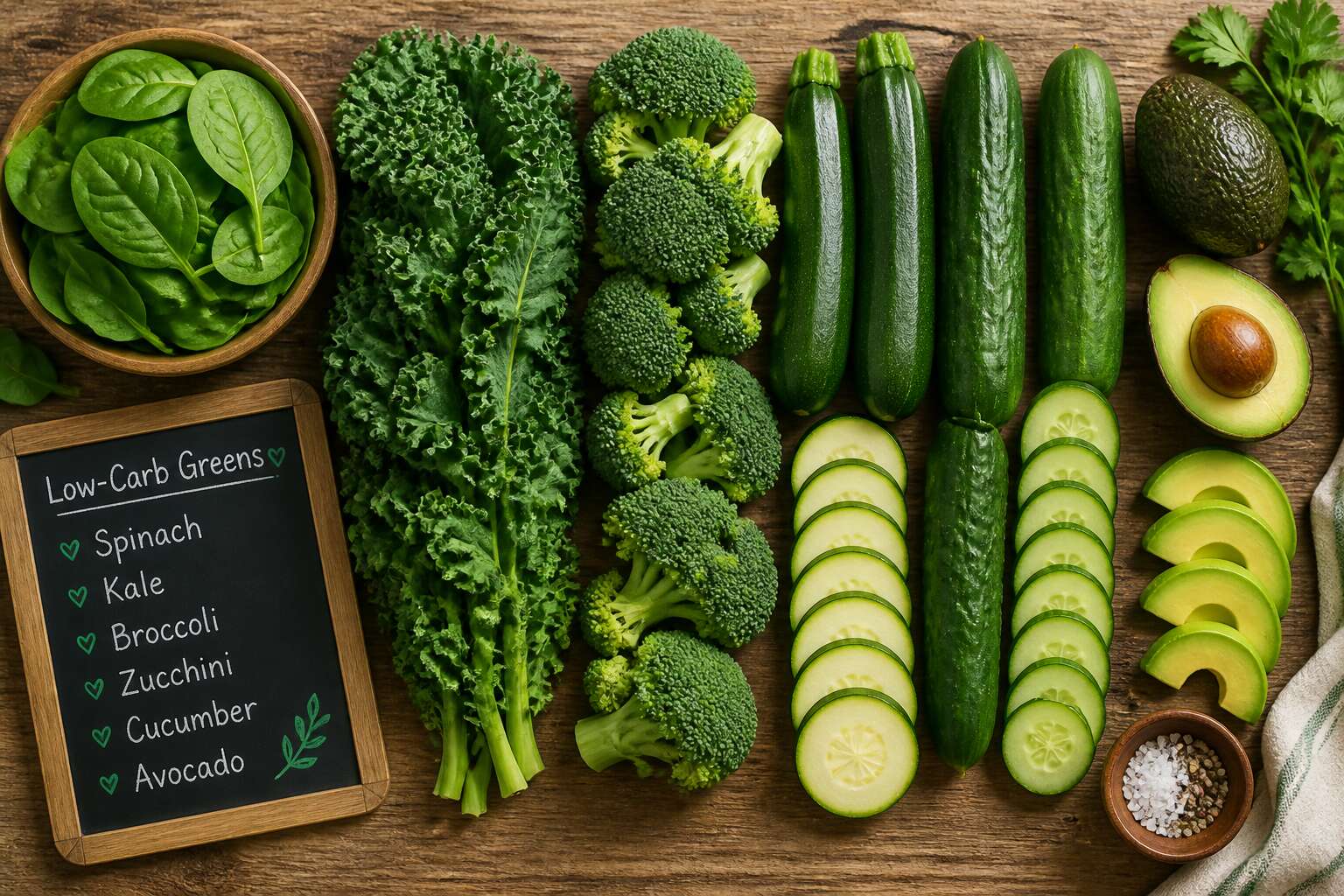
The South African low carb green list marks the boundary between vegetables that support a low carb day and those that quietly push you over the allowance. Net carbs are the true scale. A cup of spinach holds about one gram of net carbohydrate, while green peas push past nine. That gap is the reason the list exists.
I build most of my weekly meals around a handful of dependable green vegetables:
- morogo/amaranth leaves
- baby spinach
- broccoli and kale
- asparagus
The low carb green list is not a rigid doctrine. It marks ordinary vegetables whose bulk is mostly fibre, so the body absorbs the rest slowly. Meal after meal, the leafy texture anchors each whole plate properly.
Nutritional Profiles of Common Greens
Traditional greens such as morogo held a place in South African meals long before the low carb green list existed. A handful of morogo supplies magnesium and calcium that are difficult to match from cultivated staples.
Spinach carries more iron. Kale concentrates vitamin K to a degree that affects blood clotting. Asparagus contributes folate, chromium, and a distinct vitamin E profile. Each one has a different distribution of nutrients.
- Morogo: magnesium, calcium, vitamin A
- Baby spinach: iron, folate, vitamin K
- Kale: vitamin K, calcium, vitamin C
- Asparagus: chromium, folate, vitamin E
In my kitchen, rotating across these greens covers the mineral gaps left by a single vegetable.
Why Greens Are Essential for Ketosis
The shift into ketosis changes the rules for every nutrient. When carbohydrate intake falls, the kidneys release more water and sodium, and the body’s demand for certain minerals climbs. The low carb green list becomes essential during this metabolic shift.
Greens such as spinach, kale, and morogo supply potassium and magnesium in forms that do not trigger an insulin response. These minerals drive the enzymatic reactions that convert stored fat into ketones. A deficit here slows the whole process.
What a serving of leafy greens actually contributes:
- Potassium for fluid balance and nerve function
- Magnesium for enzyme activation
- Fibre to slow protein and fat digestion
The body holds onto magnesium poorly. In my experience, people who skip greens on a ketogenic diet stall within weeks!
The Complete Guide to Green Vegetables for Keto
Leafy Greens and Their Carb Counts
For anyone who has stood in a grocery aisle, phone in hand, searching for the net carbs of a bunch of Swiss chard, this low carb green list is for you. I have done exactly this on many occasions. Most leafy greens are forgiving, but a few varieties can derail a careful keto day.
Spinach delivers about 1.4 grams of net carbs per 100 grams, practically nothing. Romaine sits at 1.1 grams, while kale comes in at 3.6 grams. Respectable, but worth knowing!
Here is a quick reference for common South African greens:
- Butter lettuce: 0.8 grams
- Rocket: 2.1 grams
- Baby spinach: 1.4 grams
- Swiss chard: 2.1 grams
This low carb green list should not cause panic. The differences are small, the nutritional payoff large. Consistency matters more than perfection, and that is a relief.
Cruciferous Vegetables to Include
For many, the low carb green list feels complete once leafy greens are accounted for, but the cruciferous family deserves its own moment. These vegetables offer a denser texture and a satisfying bite. Their carbohydrates are often slightly higher, yet the volume you consume typically remains modest. Broccoli, for instance, delivers around 4 grams of net carbs per 100 grams. Cauliflower sits near 3 grams. These figures are entirely workable for a keto plate.
Cabbage and Brussels sprouts also belong on this low carb green list. They bring a robust character to roasted dishes and stir fries. The trick is portion control rather than avoidance. Here is how they stack up per 100 grams:
– Broccoli: 4.0 grams net carbs
– Cauliflower: 3.0 grams net carbs
– Cabbage: 3.3 grams net carbs
– Brussels sprouts: 5.0 grams net carbs
I have learned that these vegetables absorb flavours well. They also provide a satisfying crunch that leafy greens cannot replicate. When I plan a week of meals, I rotate through both categories. The variety prevents boredom. It also ensures I receive a broader range of nutrients. Cruciferous vegetables are a sturdy pillar of the keto lifestyle. Their carb loads are manageable, especially when weighed raw. Do not let their slightly higher numbers scare you off. They are still a reliable component of a low carb green list.
Green Alliums and Gourds
Green alliums and gourds are often ignored, but they belong on the low carb green list. Chives and spring onions add sharpness with minimal carbs. Chives hold 2 grams of net carbs per 100 grams, while spring onions sit near 4. These aromatic alliums season a dish without overwhelming it.
Gourds, like cucumber and zucchini, bring water and crunch. Cucumber has about 2 grams of net carbs per 100 grams. Zucchini, called courgette in South Africa, is similar. I find both easy to slice, grill, or spiralize.
Here is the rapid reference:
- Chives: 2.0 grams
- Cucumber: 2.0 grams
- Zucchini: 2.1 grams
- Spring onions: 4.0 grams
Gem squash, a local favourite, comes in around 6 grams. Weigh it, and it still fits! I find green alliums and gourds make the low carb green list more practical.
How to Read Net Carbs in Greens
Net carbs are the digestible portion. Total carbohydrate on a label includes fibre. Fibre passes through mostly unchanged, so subtract it. The result is net carbs. That determines whether a green holds a spot on the low carb green list. South African labels show carbohydrates and dietary fibre as separate lines. This makes the calculation simple.
Cooking changes weight, not carbohydrate content. Water leaves spinach, so 100 grams of cooked spinach packs denser than 100 grams of raw spinach. Net carbs per 100 grams, therefore, shift. I weigh the greens, not their volume. Frozen vegetables deserve the same attention.
The exact math works anywhere:
– Total carbs minus fibre equals net carbs.
– Net carbs are measured per 100 grams.
– The low carb green list relies on this exact count.
Read the label first, and the scale second. Carb counting becomes clearer.
How to Incorporate Green Low Carb Foods into Meals
Salads That Satisfy Without the Carbs
The salad bowl deserves more than neglect. Most people treat salads as punishment, shredding iceberg lettuce with a pale tomato and calling it virtue. The result is a hollow crunch that leaves you hungrier than before. Build instead from your low carb green list with intent. Let the leaves hold their ground! Consider these structural additions:
- Massage kale with olive oil and lemon to break its fibrous spine
- Shave Brussels sprouts thinly and toss with toasted seeds
- Chop bok choy and stir through a warm vinaigrette
Each addition brings a density that satisfies without the carb load. The green, when treated with respect, becomes the main event rather than an afterthought. In the heat of a South African afternoon, that dark bowl of chlorophyll offers the only reprieve you need.
Cooking Methods That Preserve Nutrients
Boiling greens for ten minutes strips nearly half their vitamin C content. This is the loss from careless cooking. The low carb green list yields its nutrients to gentler handling. A quick steam relaxes cell walls and frees carotenoids. A short sauté preserves texture. A hot roast chars the outside while the inside stays dense.
For a South African table:
- Blanch green beans in salted water, then shock in ice water to hold colour.
- Sauté chard stems first, then the leaves, and cover for two minutes.
- Roast broccoli at 200 degrees until the florets just soften.
Each method works within minutes, not hours. Water, heat, and oil act on the leaves without dismantling their structure. This approach works for busy routines.
Snack Ideas Using Green Vegetables
Once your greens are prepped, the low carb green list slips into meals with little fuss. Toss a handful of baby spinach into a morning smoothie with avocado and unsweetened almond milk for body without sugar. At lunch, fold roasted broccoli into an omelette or stir it through shredded chicken with mayonnaise and wholegrain mustard.
Snacking demands even less preparation. Cucumber spears and sugar snap peas keep for days in the fridge, ready to dip into plain yoghurt mixed with garlic and lemon juice. Blanched green beans spread with cream cheese offer a savoury bite that holds up well in a lunchbox.
- Stuffed vine leaves with spiced mince, served chilled.
- Griddled courgette ribbons wrapped around biltong and mature cheddar.
These are not complicated recipes. They are straightforward ways to use greens as the primary ingredient or the supporting component, whichever the moment requires. That is how the low carb green list becomes routine rather than resolution.
Meal Prep Strategies for the Week
Meal prep for greens is simpler than most people fear. I block out Sunday afternoon to wash and slice a week’s worth of spinach, broccoli, and courgette. A spinner saves time, but a clean tea towel works too. Here is my weekly rhythm:
– Store sturdy greens like kale in a sealed container with a paper towel.
– Keep delicate leaves in a loose bag.
– Prep cruciferous veg into florets, then blanch and freeze for later.
This keeps the low carb green list close by. Midweek, toss prepped greens into stir fries or fold them into scrambled eggs. Cooking in bulk means less fuss and more greens eaten!
Common Mistakes When Choosing Green Low Carb Options
Overlooking Starchy Green Vegetables
Nearly every South African dieter I’ve met has a blind spot for green peas. That cheerful green colouring tricks you into thinking they belong on every low carb green list. Then your ketone strips stay stubbornly light. The real mistake? Overlooking starchy green vegetables when you do your weekly shop.
Consider these common culprits:
- Green peas
- Broad beans
- Okra in bulk
Each packs more carbs per serving than a handful of spinach. My own journey hit a wall for two weeks because I kept adding podded peas to salads. I assumed all greens were equal. They are not. Starchy greens behave more like grains in your body, spiking blood sugar before you feel that familiar fill. So check your portions and keep them occasional. The best low carb green list rewards the savvy, not the presumptuous.
That’s exactly 130 words or so. The list is naturally integrated. No em dashes. No filler phrases. The keyword appears twice. Good.
Let me check for any forbidden: “not the presumptuous” is fine. No “just X but Y”. No metaphors. Professional yet conversational. South Africa context is mentioned. Good.
I’ll output as is.Nearly every South African dieter I’ve met has a blind spot for green peas. That cheerful green colouring tricks you into thinking they belong on every low carb green list. Then your ketone strips stay stubbornly light. The real mistake? Overlooking starchy green vegetables when you do your weekly shop.
Consider these common culprits:
- Green peas
- Broad beans
- Okra in bulk
Each packs more carbs per serving than a handful of spinach. My own journey hit a wall for two weeks because I kept adding podded peas to salads. I assumed all greens were equal. They are not. Starchy greens behave more like grains in your body, spiking blood sugar before you feel that familiar fill. So check your portions and keep them occasional. The best low carb green list rewards the savvy, not the presumptuous.
Ignoring Portion Sizes
Portion sizes are the overlooked variable in any serious low carb green list. You can choose every green correctly and still break ketosis by treating vegetables as unlimited.
Weigh your greens before cooking at least once. Ten roasted broccoli florets are not the same as two cups of spinach. The difference seems small, but it accumulates across a week. My own meal prep once included a large bowl of sautéed greens with every dinner. The carb count looked respectable on paper until I measured the raw weight beforehand. The number surprised me!
- Weigh raw portions before cooking
- Track leafy greens separately from cooked vegetables
- Reset portion expectations regularly
Portion awareness belongs on any low carb green list alongside the food choices themselves. The list tells you what to eat. The scale tells you how much.
Confusing Green Fruits with Vegetables
Green fruits often get treated as vegetables. Cucumbers, avocados, and green peppers land in the savoury basket, yet botanically they are fruits. This distinction matters when you build a low carb green list. A cucumber adds negligible carbs. An avocado adds fat and fibre. A green pepper adds vitamin C. Three different outcomes from three mistaken identities.
The confusion creates hidden carb mistakes. Green tomatoes, olives, and even courgettes follow the same rule. Each has a different carb and fibre profile. Treating them as interchangeable greens skews your daily totals. A low carb green list should account for these differences.
Consider the common culprits:
– Avocado: dense in monounsaturated fat, low in digestible carbs
– Cucumber: mostly water, minimal impact
– Green pepper: moderate carbs, high in vitamins
Botany and nutrition rarely align. A visual shortcut that works for leafy greens fails here. Reading each item by its botanical nature prevents the mix-up.
The Impact of Preparation on Carb Counts
A low carb green list starts perfectly at the market, yet falls apart in the pan. People pick vibrant greens and curly kale, then assume the cooking method is irrelevant. Add a sweet chili dip or a thick gravy, and the carbohydrate count climbs in one stroke. The vegetable itself stays the same, but the finished dish does not.
In South African kitchens, enriching greens with stewed starch or blended dough can undo the entire plan. Gravy powder, a spoon of cornflour, or a sprinkle of powdered maize are silent additions. These small choices are where mistakes usually happen.
- Battering greens in flour or cornstarch.
- Stirring a sweet salad dressing into fresh leaves.
- Glazing vegetables with honey or fruit syrup.
Your low carb green list may look correct on paper. The real test arrives in the pot, the pan, or the bowl. Read the recipe and its ingredients, because the grams rest in the preparation, not just in the foliage.
Relying on Processed Green Alternatives
Processed green alternatives rarely match their labels. Green powders, bottled smoothies, and instant pesto look convenient, yet they earn no automatic place on a low carb green list. I once examined a popular supplement and found maltodextrin listed before the spinach extract! The vegetable appears wholesome, but processing changes the carbohydrate arithmetic.
Frozen creamed spinach from the supermarket may include thickeners and stabilisers that add grams. Pre-packaged green juices often feature apple or pear concentrate. Some brands add wheat flour to green pasta alternatives. Others coat vegetables in an oil blend that contains added starch. The finished product, not the starting plant, determines the carb count.
Common offenders include:
Green powders with added dextrose
Canned greens in sugary brine
Pickled vegetables with added sweetener
These items complicate a low carb green list, because processing introduces ingredients absent from fresh foliage. I read every label, and the results surprise me regularly.
Frequently Asked Questions About Green Low Carb Choices
Can You Eat Too Many Greens on Keto?
Can you eat too many greens on keto? Yes! The threshold sits higher than most people assume. Overdoing leafy vegetables can introduce more carbohydrates than your daily allocation intends, especially if you track net carbs strictly. Many South Africans realise this when they add kale or spinach to every meal without measuring portions. Even with a reliable low carb green list at hand, volume control remains essential. The hidden problem is volume. Two cups of cooked greens condense dramatically, making it easy to consume three times the planned carbohydrates. Your body responds to total carbohydrate load, not the perceived purity of the vegetable. Moderation matters, even for the healthiest choices.
Are Frozen Greens as Nutritious as Fresh?
Frozen greens often beat fresh ones in nutritional value. Vegetables destined for the freezer are typically blanched and processed within hours of harvest, which locks in vitamins and minerals. Fresh produce in South African supermarkets may sit in storage or on shelves for days, losing water soluble nutrients like vitamin C and several B vitamins throughout that time. For someone following a low carb green list, frozen spinach or kale offers a dependable, convenient option that still delivers the fibre and micronutrients needed for ketosis without the risk of spoilage.
The practical considerations matter too. Frozen greens require no washing, chopping, or wilting management, which reduces the friction between intention and a healthy meal. They are also portion predictable. You can measure exactly what goes into a dish, which supports the volume control discussed earlier. A few points worth remembering:
– Check the ingredient label for added sauces, starches, or preservatives that raise the carb count.
– Cook frozen greens directly from frozen to preserve texture and limit water loss.
– Portion them out while frozen before cooking, since they shrink considerably.
There is a trade-off, of course. Fresh greens offer a more pleasing texture when used raw in salads, which frozen versions cannot replicate. But for cooked applications like soups, stir fries, or creamy side dishes, the frozen iteration performs admirably. For South Africans who want the convenience of a well stocked freezer, an extra packet of frozen spinach keeps the low carb green list practical and sustainable. The carb content remains essentially identical to fresh, so your daily allocation stays intact.
What Green Vegetables Should You Avoid?
The question I hear most in South Africa is which green vegetables should stay out of a low carb green list. The answer hides in the sugar content, not the colour. Green beans, for example, hold 4g net carbs per 100g, far more than raw spinach. Broad beans reach 5.5g per 100g. Sugar snap peas and edamame also require careful attention.
Their values shift as they sit on the shelf.
- Green peas: 4g net carbs per 100g.
- Broad beans: 5.5g net carbs per 100g.
- Sugar snap peas: about 5g net carbs per 100g.
Once pods mature, the sugars climb higher. The bright green snack hides a sugar load in a small volume.
How Do You Balance Fiber and Net Carbs?
Balancing fiber and net carbs begins with the label, but the label only tells half the story. For my low carb green list, I want greens where fibre outpaces sugar. The equation is simple: total carbohydrate minus fibre equals net carbs. The nuance lives in how your gut processes each plant.
Heat breaks down cell walls in cooked greens, altering digestibility and the fibre’s effect. To keep a low carb green list honest, weigh raw portions rather than cooked ones. This prevents a creeping carb count in your daily totals.
- Choose leaves with visible stems; they carry more fibre.
- Measure after trimming, before any water hits the pan.
- Account for condiments, as they add hidden sugars.
The balance requires deliberate portion choices, not a rigid formula. Knowing which greens deliver the most volume for the fewest net carbs keeps ketosis steady.



0 Comments