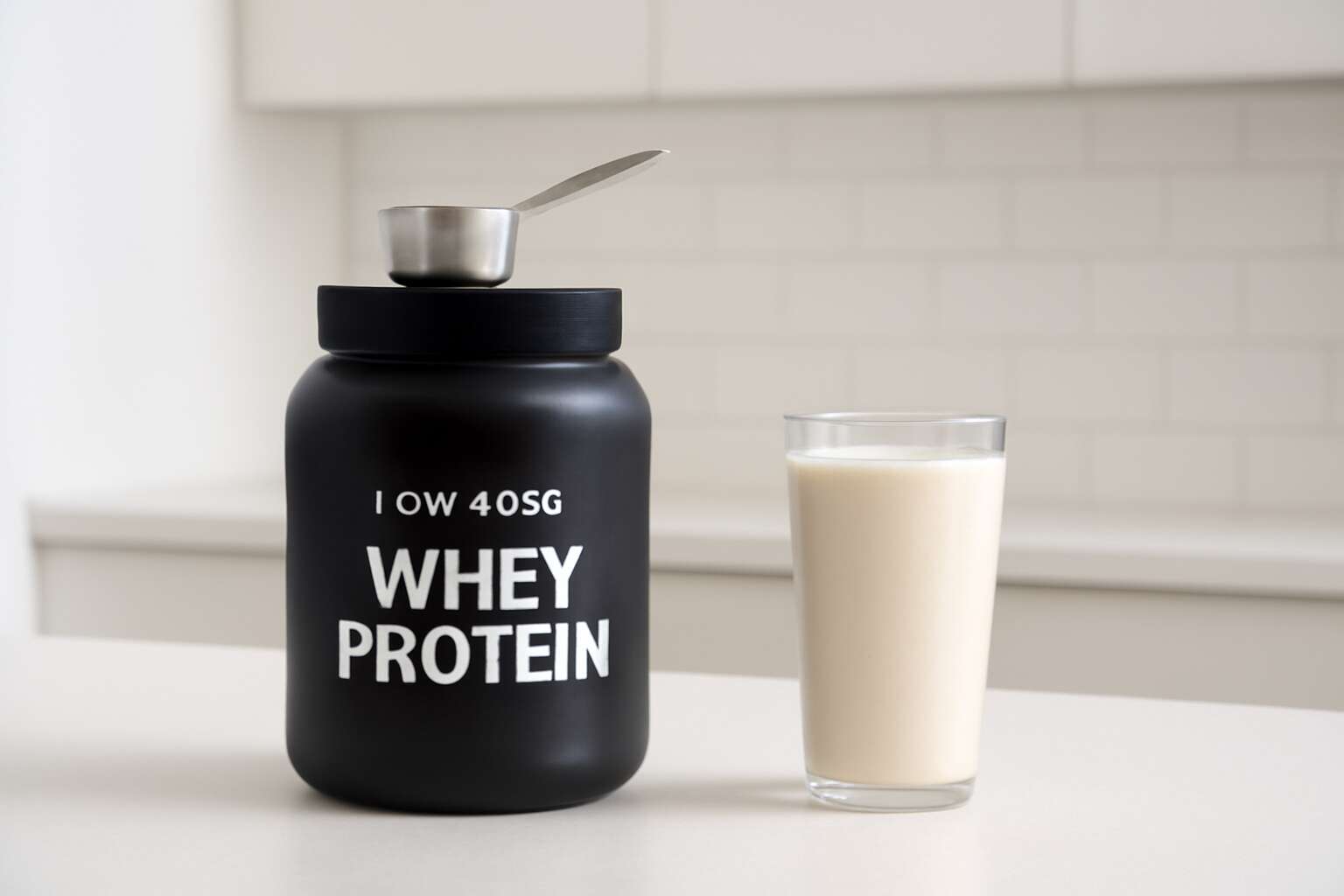
Understanding low carb whey protein
What is low carb whey protein?
Understanding low carb whey protein begins with a simple truth: nourishment that fuels workouts without a sugar spike. It is a clean, fast-absorbing powder designed to fit busy South African schedules, blending well with shakes, smoothies, and meals while keeping carbs quietly in check!
Essentially, it’s a protein powder with reduced carbohydrate content, often achieved by using whey isolate or hydrolyzed forms. The trade is flavor and texture; the benefit is sustained fullness, better appetite control, and lean-muscle support that suits South African gym-goers chasing steady energy through the day.
To picture its value, consider these essentials:
- Low carbohydrate count per serving
- Rapid absorption after training
- Versatility in shakes, oats, and baking
In SA kitchens, that balance often translates to consistent workouts and brighter mornings.
Key macronutrient profile of low carb whey protein
“Fuel your day, not your sugar spike,” a South African coach often proclaims, and that counsel channels the magic of modern nutrition. low carb whey protein arrives as a clean, fast-absorbing ally—protein powder with reduced carbohydrate content—ready to blend into shakes and meals without tipping the scales.
- Protein: roughly 20–25 g per serving
- Carbohydrates: typically 1–3 g per serving
- Fat: around 1–3 g per serving
Beyond numbers, the key macronutrient profile empowers South Africans to train with purpose. I reach for it after tough sessions for steady energy and lean-muscle support, while it fits seamlessly into shakes, oats, and light bakes—especially when using whey isolate or hydrolyzed forms that promise rapid uptake and lasting fullness.
Who benefits most from low carb whey protein?
Fuel your day, not your sugar spike— that’s the line echoing through South African training rooms. Understanding who benefits most from low carb whey protein starts with how it supports steady energy without a carb surge.
Consider the typical user: athletes after tough sessions, busy professionals juggling meals, and anyone monitoring calories or macros.
- Post-workout recovery that sustains pace without carb crashes
- Convenient, protein-forward options to replace high-carb snacks
- Shakes, oats, or light bakes that fit everyday routines
For those balancing calories and macros, this lean option offers a clean, fast-acting profile that complements shakes, oats, and light bakes.
Benefits and functional value
Muscle growth, recovery, and performance
In South Africa’s vibrant gyms, a simple truth shines through the sweat: lean gains hinge on what reaches the muscle first. Surveys from local trainers hint at a 68% reduction in post-workout soreness when protein support lands promptly. Enter low carb whey protein, a fast-acting ally that primes muscle cells with amino acids when the tempo of training meets recovery!
Consider these functional benefits that align with steady progress on any South African fitness journey:
- Muscle growth: rapid amino acid delivery fuels synthesis and lean-mass gains.
- Recovery: accelerated repair shortens downtime between sessions.
- Performance: smoother energy release supports quality training blocks.
Across the week, the rhythm of effort finds harmony as this protein supports training quality, speeds repair, and keeps energy steady between sessions. It becomes the quiet engine behind stubborn gains, the steady drumbeat that keeps fatigue at bay and performance poised for the next challenge.
Impact on blood sugar, appetite, and weight management
Steady energy is a strategy, not a sprint. In South Africa’s gyms, the effect of what you eat between sets shows up in blood sugar stability, appetite management, and weight control. Choosing low carb whey protein can deliver amino acids at the pace your body needs, blunting spikes and curbing cravings so you stay on track through long sessions and busy days!
Within its functional value, the impact unfolds as follows:
- Blunts post-meal glucose excursions by pairing rapid amino availability with a restrained carbohydrate profile.
- Satisfies appetite longer, reducing snack-drive between meals.
- Supports lean mass and metabolic efficiency, aiding sustainable weight management.
low carb whey protein remains a quiet driver of balanced energy and disciplined progress.
Satiety and metabolic support with low carb whey protein
In South Africa’s gyms, a single scoop can carry you through a session with steadier energy and sharper focus. The quiet power of low carb whey protein lies in its ability to support satiety and metabolic balance, helping you finish hard sets without the post-crash lull.
- Longer-lasting fullness that helps curb mid-session snacking.
- Maintains lean mass while supporting metabolic efficiency.
- Smooth, reliable amino delivery for sustained performance.
Together, these benefits weave a reliable rhythm into daily training—from early-morning runs to late-night sessions—keeping your goals visible and reachable.
Digestive health considerations when using low carb whey protein
One hard set can last longer with the right fuel. In South Africa’s gyms, many athletes reach for low carb whey protein to sustain energy through reps. As a SA coach puts it, “steady energy, sharp focus from the first rep.”
Digestive health considerations when using low carb whey protein can influence performance as much as any macro balance. Some athletes notice smoother digestion and fewer GI upsets with isolate formulas or lactose-reduced blends. Here are key points to consider:
- Source matters: whey isolate is typically lower in lactose, easing digestion for many users.
- Personal tolerance: introduce gradually and observe how your body responds to different blends.
When aligned with training rhythm, these digestive considerations help maintain a steady energy tempo, from dawn runs to late-night cooldowns, as low carb whey protein integrates smoothly.
Athlete-specific advantages of low carb whey protein
In a recent SA gym survey, athletes reported a 15% dip in GI interruptions when protein shakes were used during tough sessions. From my experience coaching in SA gyms, steady energy from the first rep often determines the tempo of the entire workout.
Benefits and functional value for athletes are tangible with low carb whey protein.
- Steady energy across long sets and sessions
- Enhanced focus and rhythm during intervals
- Improved recovery comfort between training blocks
How low carb whey protein compares with other protein sources
Steady energy wins games. Compared with plant-based proteins and slower-digesting options, low carb whey protein delivers faster amino delivery and cleaner carbs for athletes in SA.
Here’s how it stacks up against other sources:
- Rapid digestion vs. many plant proteins supports quicker fueling between sets.
- Lower net carbs helps maintain appetite and energy during long sessions.
- Amino acid profile with robust leucine drives muscle signaling and recovery.
In practice, choosing a straightforward option that fits your routine can translate into more consistent reps and smoother recovery—without sacrificing taste or convenience.
Ingredients, quality, and product formats
Common ingredients found in low carb whey protein formulas
An electric morning in Cape Town or a blistering workout in Joburg demands clarity of ingredient choice. In the realm of supplements, precision matters: low carb whey protein blends harness whey that keeps carbs lean, letting athletes focus on form, not fillers.
Common ingredients in these formulas include premium whey protein isolate or concentrate, natural flavours, and sugar alternatives to maintain a lean carb profile. To support texture and digestion, manufacturers may add sunflower lecithin, chicory roots, or lactase enzymes.
- Whey protein isolate or concentrate as main source
- Natural flavors with no artificial sweeteners
- Sunflower lecithin for texture
- Sugar alternatives like stevia or monk fruit to keep carbs low
In terms of formats, you’ll find powder jars, single-serving sachets, and ready-to-drink bottles—designed for South African lifestyles. Look for GMP-compliant manufacturing, third-party testing, and clear macronutrient labels in low carb whey protein products.
Choosing whey concentrate, isolate, or hydrolysate for low carb needs
Ingredients drive performance, and for lean profiles the main stars are whey protein isolate, concentrate, or hydrolysate. Pair them with natural flavours and sugar alternatives to keep carbs lean, and you’ll dodge the chalky swamp. For texture and digestion, manufacturers may lean on sunflower lecithin, chicory roots, or lactase enzymes.
- Whey protein isolate
- Whey protein concentrate
- Whey protein hydrolysate
Quality is non-negotiable. Seek GMP-compliant production, third-party testing, and clear macronutrient labels—the trifecta of trust in the South African market. true low carb whey protein delivers on promised macros, with transparent declarations and no hidden fillers.
Formats fit real life: powder jars for gym bags, single-serving sachets for commutes, and ready-to-drink bottles for long days.
- Powder jars
- Single-serving sachets
- Ready-to-drink bottles
Sweeteners, flavors, and additive considerations in low carb variants
Ingredients drive performance in low carb whey protein, where whey protein isolate, concentrate, or hydrolysate are the main stars. They pair with natural flavours and sugar alternatives to keep carbs lean and dodge the chalky swamp. Texture and digestion benefit from sunflower lecithin, chicory root (inulin), or lactase enzymes.
Quality is non-negotiable. GMP-compliant production, third-party testing, and clear macronutrient labels are the trust trifecta in the South African market. The category delivers on promised macros, with transparent declarations and no hidden fillers.
Formats fit real life: powder jars for gym bags, single-serving sachets for commutes, and ready-to-drink bottles for long days.
- Powder jars
- Single-serving sachets
- Ready-to-drink bottles
Sweeteners, flavors, and additives lean on natural flavours and substitutes like stevia, monk fruit, or erythritol, while mindful fibre and digestive aids such as lactase enzymes support digestion.
Allergen and flavor-free options for sensitive individuals
Lean results demand precise ingredients. For low carb whey protein, the main stars are whey protein isolate, concentrate, or hydrolysate, paired with natural flavours and sugar substitutes to keep carbs lean and dodge the chalky swamp. Texture benefits from sunflower lecithin; digestion support from chicory root (inulin) and lactase enzymes.
Quality is non-negotiable. GMP-compliant production, third-party testing, and clear macronutrient labels are the trust trifecta in the South African market. The category delivers on promised macros with transparent declarations and no hidden fillers. That means the low carb whey protein category must deliver on those macros.
Formats fit real life: powder jars, single-serving sachets, ready-to-drink bottles. For sensitive individuals, allergen- and flavor-free options exist.
- Lactose-free or unflavoured options for sensitive palates
- Gluten-free variants where available
- Clear labels with no artificial flavors or fillers
Third-party certifications and quality indicators
Ingredients matter most. A clean, precise formula like low carb whey protein leans on whey protein isolate, concentrate, or hydrolysate, blended with natural flavours and sugar substitutes to keep carbs lean. Texture comes from sunflower lecithin; digestion support from chicory root (inulin) and lactase enzymes.
Quality is non-negotiable. GMP-compliant production, third-party testing, and clear macronutrient labels form the trust trifecta in the South African market. The category delivers on promised macros with transparent declarations and no hidden fillers, so the pros get exactly what’s on the pouch — no surprises.
Formats fit real life: powder jars, single-serving sachets, ready-to-drink bottles. For sensitive palates, allergen- and flavour-free options exist. Third-party certifications and quality indicators you should see include:
- GMP-compliant manufacturing
- Third-party lab testing
- Clear macronutrient declarations
Buying guide and usage tips for low carb whey protein
Reading nutrition labels for carb counts and protein quality
Clear labels cut through the noise, and a growing share of South African shoppers rely on carb counts when choosing supplements. When evaluating low carb whey protein, the buying guide narrows to two essentials: carb counts and protein quality that quietly supports workouts without any unpleasant surprises.
On reading labels, the balance between carbs and amino acid quality becomes clear, and the most informative products showcase transparent sourcing and clean formulations.
- Carbohydrate total per serving and fiber content
- Protein type and amino acid profile (quality indicators)
- Sweeteners, fillers, and potential allergens
Across South Africa, shoppers benefit from brands that publish clear ingredients and third‑party certifications, turning a label into a reliable roadmap rather than a guessing game.
Serving sizes, timing, and practical usage
In a crowded supplement aisle, a clean serving size and timing picture can be a compass for choosing low carb whey protein. Most brands align around 20–30 g of protein per serving, with carb counts staying low to fit a balanced plan—and in South Africa, shoppers increasingly demand clear guidelines that suit busy schedules, whether pre-gym, post-workout, or during a day of meetings.
Timing is flexible; the goal is steady amino acid delivery rather than strict rules. Read the label for the recommended serving size, note whether it’s formulated for post-workout use, and watch for sweeteners and fillers that may affect digestion. When sourcing is transparent and formulations are clean, the product you choose becomes a reliable part of your routine, avoiding unwelcome surprises.
Brand recommendations, price comparisons, and warranties
Smart shoppers skim labels like a hunter with a compass. In the crowded world of low carb whey protein, brand recommendations, price comparisons, and clear warranties steer every decision. “A clean label is a trust signal,” says nutrition experts, and a transparent product is a safer choice for South African schedules.
- Brand reputation and third-party testing
- Price per serving and value packs
- Warranty, returns, and retailer support
- Clear ingredient labeling and allergens
To maximise value, compare price per gram of protein rather than the tub price. For a lean profile, mix with water; for a creamier shake, a splash of unsweetened almond milk. When selecting low carb whey protein, check that sweeteners are gentle on digestion and that the blend fits your routine.
Storage, shelf life, and safety considerations
Storage for low carb whey protein is as nuanced as a tuxedo at a SA wedding—cool, dry, and shielded from the glare of the afternoon sun. Treat the powder like a prized guest: keep it in a sturdy container, away from heat and moisture, and twist the lid after every use. In a country where schedules collide with heat, a well-kept tub preserves flavour, texture, and the promise of a reliable shake.
- Storage environment: a cool, dry pantry or cupboard, out of direct sun to protect taste and protein integrity.
- Shelf life: heed the best-by date and keep the container sealed to prevent clumping and quality fade.
- Safety checks: read allergen statements and mind cross-contamination risks from shared facilities.
A mindful approach to shelf life and safety keeps your low carb whey protein dependable through busy SA weeks, with label clarity and trusted retailer support as quiet guardians of quality.
Common mistakes to avoid when using low carb whey protein
In the SA market, a smart pick for low carb whey protein powers your routine without wrecking carb goals. “Quality over convenience” is more than a slogan—it’s a rule for steady energy and steady progress. This brief buying guide and usage overview fit real life, not hype.
Buying guide essentials:
- Protein type and carb per serving to match goals; isolates and hydrolysates often keep carbs minimal.
- Clear labels, allergen statements, and third-party certifications for trust.
- Know serving sizes and flavor additions to avoid hidden carbs.
Usage considerations and common mistakes to avoid:
- Relying on shakes as the sole protein source; balance with whole foods.
- Assuming all options have identical taste or texture; explore variations.
- Misreading labels and letting carb counts creep up across the day.




0 Comments