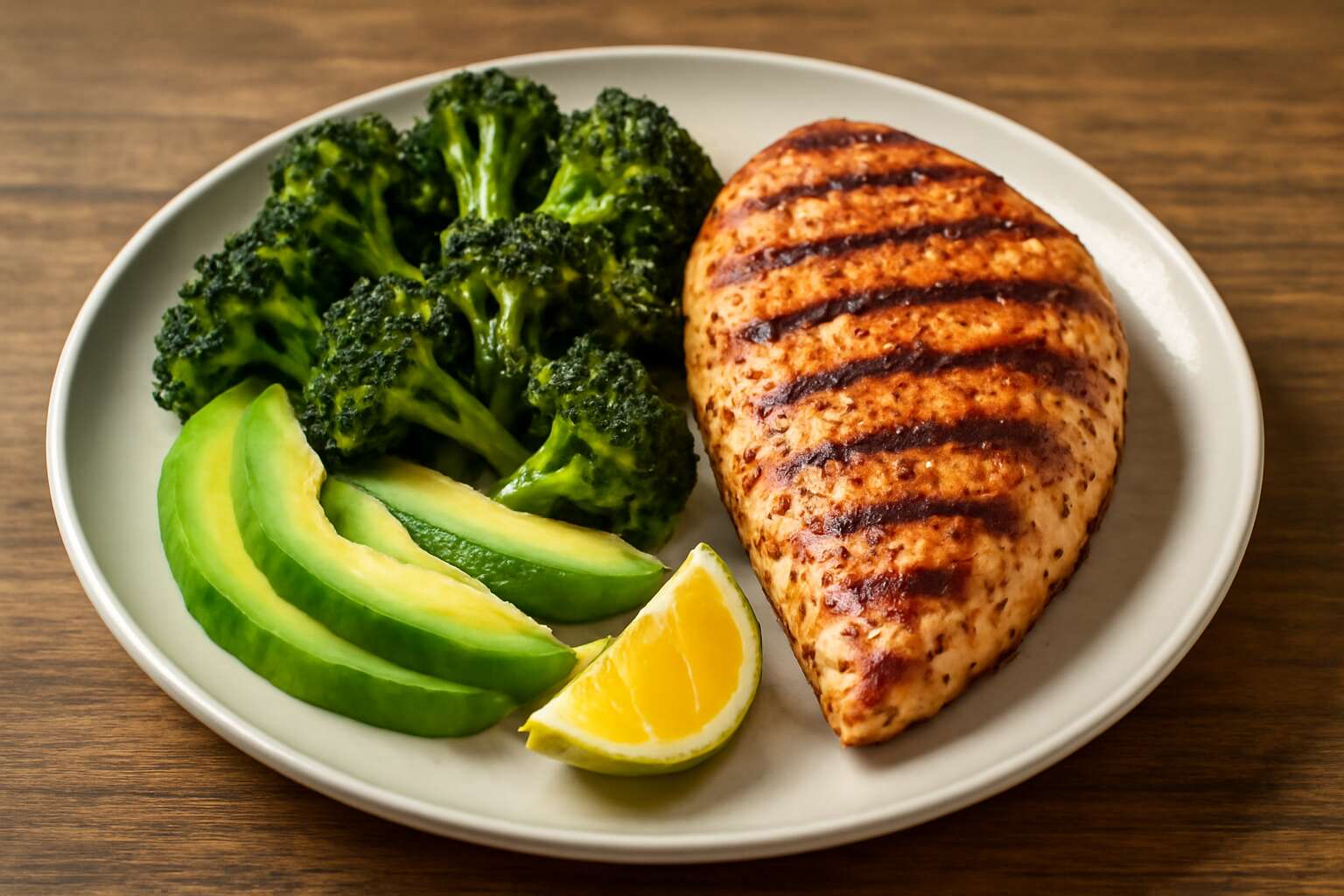
Foundations of a Low-Carb High-Protein Lifestyle
What defines a low-carb high-protein approach
Across South Africa, the post-lunch lull haunts many professionals, yet protein-rich meals can steady the ship; a local survey found that 60% report afternoon energy slumps that respond to balanced nutrition. Foundations rest on a simple premise: a low carb diet high protein offers sustained focus by pairing lean protein with fibrous vegetables and mindful carb timing. The aim is to create a metabolic rhythm rather than a crash-and-burn cycle.
- Prioritise high-quality protein sources such as fish, poultry, eggs, and legumes
- Fill plates with non-starchy vegetables to maintain fibre and micronutrients
- Distribute protein across meals to sustain lean mass and fullness
Beyond macros, texture, timing, and consistency knit resilience into daily life. Local dining patterns—braai-friendly lean meats, fresh greens, and hearty pulses—receive respectful balance, proving that discipline can harmonize with flavour and social connection.
Key macronutrient targets for balance
Across South Africa, the midday hum of the office eases when plates carry protein with green vitality; a local survey ties steadier focus to balanced meals, reducing afternoon weariness. Participants reported a 12% drop in energy slumps when meals balanced by protein and fibre.
Foundations of a low carb diet high protein lifestyle rest on clear macronutrient ambitions, not mystery.
- Daily protein target: 1.6–2.2 g/kg body weight
- Net carbs: 20–50 g per day, prioritising fibrous vegetables
- Healthy fats to meet energy and satiety needs
These numbers form a rhythm; in South African kitchens, braai-worthy lean meats meet greens and wholesome pulses, a chorus of texture and taste. The aim is balance, not restriction—a quiet metabolism that keeps hours humming rather than crashing.
Core benefits for weight management and energy
In South Africa, a steady low carb diet high protein rhythm supports weight management and energy. It keeps hunger in check and helps the body use fuel evenly, avoiding spikes and crashes.
Foundations of this lifestyle rest on clear choices and timing. When protein leads a meal, energy stays even and the metabolism follows. This edge supports sustainable weight management and everyday vitality.
- Satiety that lasts, reducing grazing
- Stable energy through the afternoon
- Preserved lean mass during weight loss
In compact South African kitchens, this approach pairs braai-friendly proteins with greens, delivering texture and taste.
Potential risks and who should seek guidance
“Protein first, energy follows.” A low carb diet high protein rhythm is taking hold in South Africa, guiding meals that curb hunger and keep energy steady. Foundations rest on clear choices and timing, with protein leading the plate to smooth the metabolic curve.
Potential risks include nutrient gaps, dehydration, and kidney strain for those with preexisting conditions. It’s not a one-size-fits-all approach, and meals must balance fibre, minerals, and fluids.
- Kidney issues or disease
- Pregnancy or breastfeeding
- Diabetes or medication interactions
- Older adults with changing needs
- Athletes or heavy training schedules
Guidance is essential for safety and sustainability. Tailored input helps you navigate South Africa’s diverse foods while keeping the core structure intact!
Common misconceptions to avoid
Foundations of a low-carb, high-protein lifestyle rest on rhythm, not rigidity. A striking SA energy stat hints mid-afternoon slumps ease when meals centre on protein rather than refined carbs. The phrase “low carb diet high protein” has become a practical mantra for meals that curb cravings and steady mood.
Common misconceptions deserve a quick debunk, especially in a country of diverse palates.
- Carbs aren’t inherently evil; timing and quality matter more than a label.
- More protein doesn’t equal instant fat loss; balance is essential.
- Fruit, legumes, and whole grains can fit in a sustainable plan.
- Healthy fats support satiety and energy without guilt.
Foundations thrive on adaptability—seasonal South African produce and personal energy rhythms shape a plan you can live with!
Protein Sources and Quality
Animal-based proteins and their role
Protein is the steadfast anchor of a successful low carb diet high protein. In South Africa, meals that center on animal-based protein help curb cravings and stabilise energy across a workday. As one nutritionist puts it, “protein is the backbone of fullness”—it keeps you satisfied longer and supports muscle maintenance with limited carbs!
Animal-based proteins offer high biological value and complete amino acids, making them especially efficient for a low carb plan. Common choices include lean cuts and responsibly sourced options: eggs, poultry, fish, and dairy.
- Eggs: versatile and economical
- Poultry: chicken breasts or thighs
- Fish: salmon, tuna, sardines
- Beef or ostrich: lean cuts for variety
In South Africa, cost and sourcing matter; variety and quality keep meals interesting and sustainable.
Plant-based options on a low-carb plan
Plant power in a low carb diet high protein equation really sells itself: “protein is the backbone of fullness,” as one nutritionist puts it. In South Africa, plant-based proteins are no longer niche; they’re practical, tasty, and wallet-friendly. Soy options—tofu, tempeh, and edamame—offer complete amino acids, a rare plant virtue that keeps meals satisfying without a carb avalanche.
Beyond soy, there are sturdy plant-protein options that fit a low-carb plan:
- Tofu
- Tempeh
- Edamame
- Hemp seeds
- Chia seeds
- Nutritional yeast
Quality over clutter matters: choose minimally processed forms, mindful sourcing, and textures that sit happily in a busy workday. In SA kitchens, these plant-based picks prove you can sustain a low carb diet high protein without sacrificing variety or flavor.
Quality, bioavailability, and complete proteins
Protein fuels more than muscles; it shapes appetite and energy. A trusted nutritionist often says, “protein is the engine behind fullness.” In a low carb diet high protein plan, choosing sources with high bioavailability matters: it’s not just protein grams, but how your body uses them. Complete proteins—those delivering all nine essential amino acids—usually come from animal sources, though certain plant proteins can carry near-parity when eaten in smart combinations.
- Hemp seeds
- Chia seeds
- Nutritional yeast
- Edamame
In South Africa, mindful sourcing and minimal processing keep quality high while you stay on track. Smart plant picks deliver complete amino acid profiles and steady energy, showing that a thoughtful approach can sustain variety and flavor on a low-carb framework.
Practical protein portions and serving sizes
The engine behind fullness is protein, and in a low carb diet high protein plan, quality wins over mere gram-count. A trusted nutritionist notes that protein fuels appetite control and steadies energy, turning meals into reliable anchors rather than cravings in disguise.
Practical portions vary by source, offering a map for meals:
- Chicken breast, cooked 120–150 g — 30–40 g protein.
- Salmon fillet, 120 g — 22–25 g protein.
- Two large eggs — about 12 g protein.
- Greek yogurt, 150 g — 12–15 g protein.
In South Africa, mindful sourcing and minimal processing keep quality high while you stay on track. Complete amino acid profiles can arise from diverse animal options or smart plant blends, demonstrating that a thoughtful approach to protein makes a low carb diet high protein feel both vibrant and sustainable.
Meal Planning and Practical Recipes
Breakfast ideas that fit a low-carb high-protein pattern
Morning energy hinges on the first bite. A practical plan for a low carb diet high protein begins with breakfasts that satisfy hunger and keep you sharp through meetings and traffic. It’s about variety, simplicity, and real ingredients you’ll actually enjoy.
- Smoked snoek with a fluffy omelette
- Egg muffins with spinach and feta
- Greek yoghurt with berries and chia seeds
- Biltong slices with cream cheese and cucumber
These options bring texture, aroma, and steady energy to a South African morning, aligned with a balanced daytime rhythm.
Lunch and dinner pairings for balance
A sharp stat slices through the mid-day fog: protein-packed meals curb afternoon crashes by up to 30%, a boon for busy South Africans. For a low carb diet high protein pattern, lunch and dinner become deliberate pairings—textures and flavors that sustain focus through meetings and traffic while energy stays steady.
Consider these lunch and dinner pairings that balance fat, protein, and greens without excess carbs:
- Grilled snoek with a lemon-herb salad
- Biltong and rocket salad with cucumber and feta
- Salmon fillet with spinach and cherry tomatoes
- Beef sirloin stir-fry with peppers and mushrooms
In this rhythm, meals become nourishment and strategy, not mere sustenance, shaping a confident daytime cadence.
Healthy snacks and on-the-go options
That first bite sets the pace for a day of decisions. A Durban kitchen whispers, ‘Food is the quiet engine of the day,’ and the sentiment lands like a bell. For those embracing a low carb diet high protein, planning becomes poetry—precise, purposeful, and portable.
Meal planning anchors energy and appetite. A cadence where lean meats mingle with leafy greens and mindful fats echoes through lunches and dinners with satisfying texture. For a low carb diet high protein, the rotation of core proteins through the week becomes a quiet daily ritual.
- Biltong snack packs, neatly portioned
- Hard-boiled eggs with a dusting of paprika
- Unsweetened Greek yoghurt with almonds
On the go, portable protein wins; keep a slim tub handy—snoek salad, biltong and cheese, or unsweetened yoghurt with almonds—so momentum travels with you through road and meeting room.
Sample one-day meal plan outline
Designing a day with intention feels like arranging a garden before sunrise. Meal planning anchors energy and appetite, and in a low carb diet high protein world, the rhythm privileges lean protein, leafy greens, and mindful fats—textures that travel from desk to dinner with grace.
The following sample one-day meal plan outline embodies that cadence, translating nutrition into movement and memory.
- Breakfast: Scrambled eggs with spinach and feta; paprika on top; unsweetened coffee.
- Lunch: Grilled snoek or chicken over a cucumber-avocado salad, olive oil, lemon, and herbs.
- Dinner: Beef fillet with broccoli and mushroom sauté, cauliflower mash on the side.
Meal-prep strategies for consistency
Here’s a spark for your week: in busy South African kitchens, a well-tended meal plan cuts chaos at the pass by half. “Plan meals, or your meals plan you,” as one mentor quips. When you align a low carb diet high protein routine with prep, the day’s choices glide from desk to dinner with far less drama.
Meal-planning and practical recipes become calmer as you build a steady rhythm: ideas, not diktats, guide you. Think in simple rotations, ready-to-use protein portions, and greens that stay vibrant from lunch to dinner.
- Lean protein options such as chicken, snoek, or turkey mince
- Green vegetables and cucumbers for freshness
- Healthy fats like olive oil and avocado
- Simple, repeatable portions that support consistency
Fitness, Metabolism, and Health Outcomes
Impact on muscle maintenance and performance
From the quiet hum of the gym to a sprint that shatters the night, muscle remembers what you feed it. A low carb diet high protein pattern offers lean mass protection and steady power, even when fatigue waits in the wings. Muscle is a memory you train—its resilience grows where protein arrives with disciplined timing and energy, like a flicker of flame in a dim corridor.
- Protein turnover preserves synthesis during intense efforts
- Glycogen sparing sustains late reps and sharp focus
- Hormonal balance accelerates recovery and long-term health
Around South Africa’s gyms, this quiet interplay translates to tangible outcomes: metabolism stays efficient, performance endures, and health margins widen through steady inputs rather than fleeting fads.
Satiety, appetite control, and weight loss
Fitness thrives where routine meets nourishment. In South Africa’s gyms and kitchens, I see one simple truth: meals that balance protein with measured carbs fuel steady workouts, from the quiet hum of warmups to the roar of late sprints!
A low carb diet high protein pattern calms the metabolism, guiding energy toward lean muscle and steady output. Protein acts like a slow-burning spark, helping you feel full longer and train with focus, even when fatigue lingers.
- Satiety stays higher after protein-rich meals, reducing mid-day snacking
- Craving intensity drops after balanced meals
- Steady energy translates to longer workouts and improved recovery
Health outcomes follow suit: better appetite control, improved metabolic flexibility, and durable weight loss anchored by routine, not crash diets. The effect blends with lifestyle here—balanced plates, mindful pacing, and endurance built from consistent protein intake.
Exercise timing and protein intake strategies
A quiet revolution hums through SA gyms: I hear the gym’s heartbeat—72% report steadier energy when protein pairs with measured carbs, turning every warmup into a promise and every sprint into a victory!
I find that the low carb diet high protein approach calms the metabolism, directing energy toward lean muscle and a steady output. Protein behaves like a slow-burning ember, keeping you full and focused when fatigue lingers.
- Sustained amino acid availability fuels training blocks
- Metabolic flexibility grows from consistent protein pacing
- Routine protein and macro balance foster durable weight stability
In the South African kitchen and gym, this narrative thrives with eggs, fish, and green vegetables—the low carb diet high protein ethos meets the table. The myth of meals that vanish into crumbs dissolves when nourishment and discipline walk together at the gym’s quiet dawn!
Long-term adherence and health markers
Across South Africa’s fitness floors, a quiet pattern emerges: 72% report steadier energy when protein pairs with measured carbs, turning a sunrise session into a disciplined ritual. The low carb diet high protein approach quiets the metabolism, channeling energy toward lean muscle and steady output.
Over months, sustained amino acid availability supports training continuity and favorable health markers. Long-term adherence to this pattern correlates with improved insulin sensitivity, stable resting energy expenditure, and a predictable appetite rhythm.
- Insulin sensitivity
- Lean mass retention
- Resting metabolic rate
Within the South African kitchen, the mystery resolves: meals align with training, and outcomes—health markers and fitness gains—accumulate with quiet persistence. The approach proves durable in the long run.
Safety, Pitfalls, and Myths to Watch For
Managing potential side effects and hydration
Across South Africa, the appeal of a low carb diet high protein approach has surged as people chase steady energy and lean mornings. The truth feels almost cinematic: discipline without deprivation, elegance without excess.
Safety matters more than trend. Some readers report fatigue, headaches, or dizziness as the body reallocates energy. Hydration and a gentle balance of minerals become quiet guardians.
Pitfalls still murmur in the margins, and myths abound. Here are three widely held ideas worth examining:
- Myth: This plan harms kidney function in healthy adults.
- Myth: Carbs must be banished entirely to see results.
- Myth: All protein sources deliver equal quality and bioavailability.
Hydration remains the ballast—thirst, urine color, and fatigue are signals to heed. I’ve learned that listening to the body can sustain momentum and grace in this journey.
Kidney health considerations and medical guidance
Discipline without deprivation, elegance without excess. Safety matters more than trend, especially as the body adapts to a low carb diet high protein. Kidney health considerations demand medical guidance and pacing; consult a clinician if you have issues, and watch for fatigue, headaches, or swelling as signs of imbalance.
Hydration is the ballast—thirst, urine color, and energy dips signal when tweaks are needed. Maintain gentle mineral balance (sodium, potassium, magnesium) to prevent cramps and dizziness during adaptation.
- Check kidney function with a clinician if concerns exist.
- Balance hydration and minerals rather than chasing perfection.
- Diversify protein sources to ensure complete amino acids and bioavailability.
Myths to watch for include the idea that healthy kidneys are invulnerable, that carbs must be banished, and that all protein sources are equal.
Common myths and how to evaluate claims
Safety anchors the voyage: seek clinician input if you have kidney concerns, and watch energy dips, headaches, or swelling as signals of imbalance. Hydration and gentle mineral balance are the ballast of a low carb diet high protein journey, guiding the body through adaptation without drama.
Pitfalls loom—overgeneralizations, inconsistent protein sources, and misread energy signals can mislead. When evaluating claims, favor peer‑reviewed sources and local South African guidelines rather than sensational headlines that promise overnight miracles. The conversation should be measured, not drama-filled.
Myths to watch for include the idea that healthy kidneys are invulnerable, that carbs must be banished, and that all protein sources are equal. The allure of the low carb diet high protein formula can obscure nuance.
- Healthy kidneys aren’t invulnerable.
- Carbs don’t have to be banished in every case.
- Protein sources vary in quality and amino acids.


0 Comments