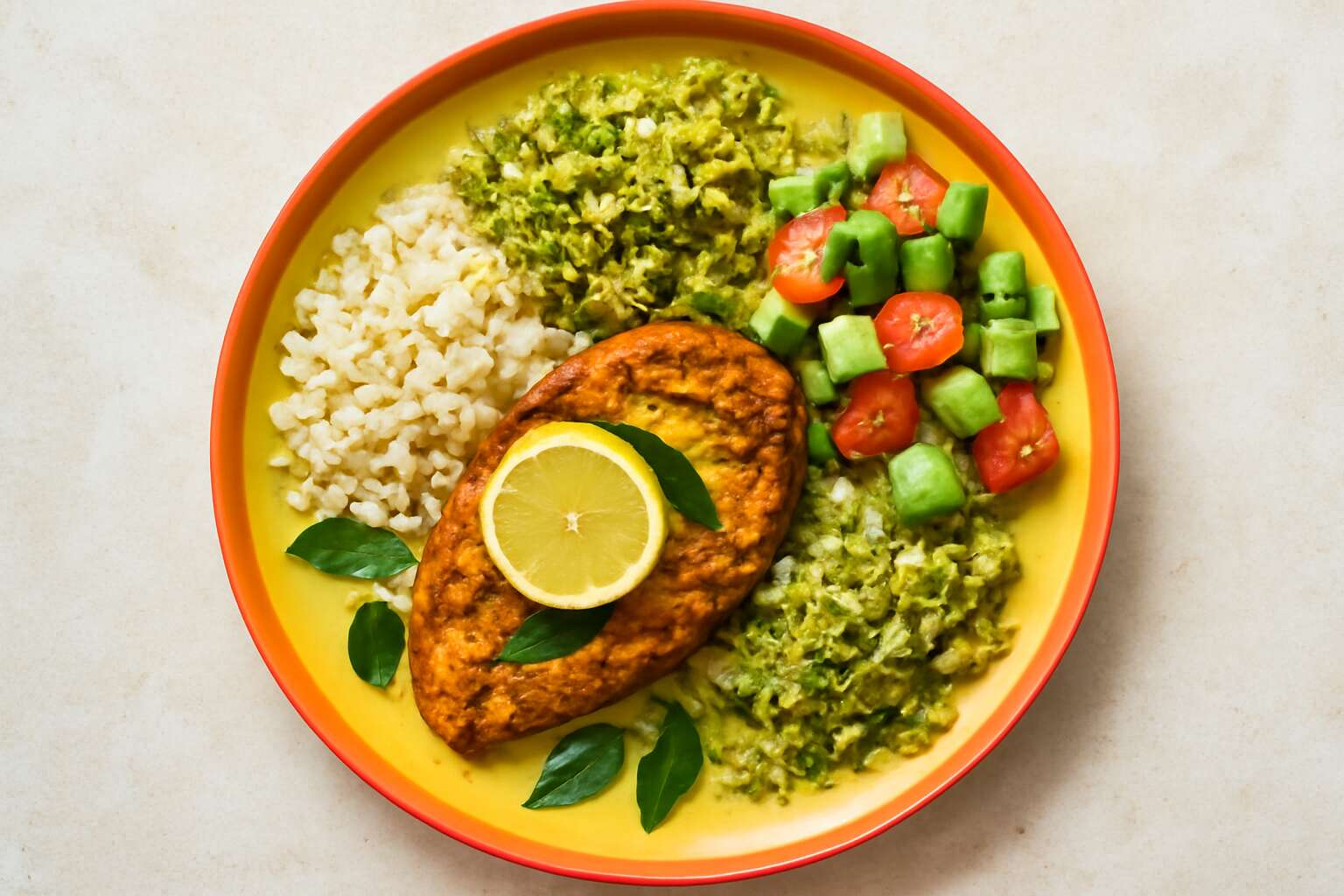
Understanding the low carbohydrate diet in Kerala
What is a low carbohydrate diet?
Kerala’s spice-laden kitchens prove you can simplify carbs without dulling flavour. A low carb diet kerala is not a punishment; it’s a framework that honours coastal staples like fish, coconut, and greens while trimming back rice and bread. Think protein-forward meals, ample vegetables, and fats that keep energy steady through busy pantry days.
In Kerala, adapting it draws on familiar ingredients:
- Fresh proteins like fish, eggs, and lean poultry
- Coconut oil and other healthy fats that flavour Kerala dishes
- Low-starch vegetables such as leafy greens, peppers, and cucumbers
The essence is balance, a nod to Kerala’s culinary heritage, where every plate can stay vibrant without surrendering carbs to the shadows.
Key principles and macros for Kerala
Understanding the low carb diet kerala is more than a rice ban; it’s a nocturne of coastal flavors, where spice and sea breeze mingle as carbohydrates retreat! The framework honors protein as the backbone, greens as breath, and fats as the steady flame that sustains energy through busy pantry days.
Key principles and macros for Kerala bend toward balance, pairing mindful portions with local ingredients.
- Protein-forward anchors from fish, eggs, and lean poultry
- Healthy fats sourced from coconut oil and other local fats to flavour and sustain
- Low-starch vegetables for fiber and micronutrients
In Kerala’s kitchens, this rhythm stays vibrant without dulling the heritage—low carb diet kerala.
Kerala-specific dietary considerations and traditional foods
Coastal kitchens of Kerala once ran on rice, yet today many households balance tradition with a leaner plate. In regional surveys, families report energy boosts as refined carbs give way to greens and protein—an inviting glimpse of the low carb diet kerala.
Kerala’s approach honours heritage while adapting to modern needs: coconut oil for flavor, fish and eggs as anchors, and greens that bring micronutrients without excess starch. For South African readers, the imagery feels familiar—busy markets, spices, and a sea breeze shaping every meal.
- Meen curry with coconut and curry leaves
- Egg roast or chicken curry with a tomato-onion base
- Stir-fried greens with grated coconut
The rhythm stays vibrant, turning coastal flavors into a balanced plate that honors both place and palate.
Common myths about low-carb in Kerala
A daring shift frames Kerala’s tables, where spice and sea breeze meet a leaner plate. Understanding the low carb diet kerala means spotting how tradition bends toward balance: protein-rich staples, leafy greens, and carefully chosen starches that sustain a steady glycemic cadence without dulling heritage.
- Myth: Carbs are villains in Kerala cooking; total banishment is required.
- Myth: Fats are the enemy; all oils should be avoided.
- Myth: Expensive ingredients and radical recipes are necessary for this approach.
Reality is flexible, anchored in local greens, fish, eggs, and coconut oil, making this approach accessible here and in South Africa.
Traditional Kerala foods and low carb substitutions
High-protein staples in Kerala that fit low carb
Kerala’s coastal kitchens tell a story of balance, where coconut glints and fish braise into memory. The low carb diet kerala ethos feels native here, a celebration of bold flavors that stay lean without sacrificing warmth.
Traditional meals lean on vegetables and seafood, with rice only as a rarity. To fit low carb, swap white rice for cauliflower rice and favor bottle gourd or cabbage.
- Meen curry and other fish preparations
- Egg curries, omelets, and boiled eggs
- Chicken or prawns cooked in coconut gravy
- Paneer or tofu dishes with Kerala spice blends
These high-protein staples in Kerala align with low carb goals, offering depth, texture, and resilience in every bite. For South African palates, these flavors translate well.
Low-carb substitutes for rice and staple foods
Traditional Kerala meals are a sea breeze—coconut, fish, and bright spices mingling with vegetables. In the low carb diet kerala, the plate remains native: lean, fragrant, and deeply satisfying. Meen curry, egg curries, and prawns in coconut gravy anchor meals, while substitutions keep starch at bay without dulling depth. South African palates often find these coastal flavors translate into bold, balanced dining.
For rice and staple swaps, these low-carb options shine:
- Cauliflower rice as a fluffy stand-in for white rice
- Bottle gourd (lauki) in curries or thoran for body and bite
- Cabbage leaves or shredded cabbage as wraps or a bed for lighter fry-ups
These swaps deliver texture and aroma, letting paneer or tofu take Kerala spice blends without baggage. They travel well to South African kitchens, proving the ethos of the low carb diet kerala can be lush.
Vegetables, spices, and fats to support the diet
Steam climbs from a Kerala curry as coconut oil gleams in the pan; the scent alone conjures monsoon markets and sea spray. In the low carb diet kerala, tradition remains a compass—rich in vegetables, lean proteins, and bright spices, yet deliberately shy of starch. The plate becomes a story of texture: crisp thoran, silky coconut gravy, and aromatics that linger long after the last bite.
- Bottle gourd (lauki) in curries or thoran for body and bite
- Cabbage leaves or shredded cabbage as wraps or a bed for lighter fry-ups
- Smooth, leafy greens like spinach or fenugreek in stir-fries or gravies
- Coconut oil, mustard seeds, curry leaves, turmeric and coriander—fats and spices that elevate flavor without adding starch
These ingredients travel well, offering South African kitchens a lush, low-hemmed palette that respects Kerala’s culinary DNA while enabling mindful carb-conscious dining.
Sample Kerala-friendly low-carb meals
In Cape kitchens and coastal towns, Kerala’s flavors meet restraint with a flourish. The low carb diet kerala trend is reshaping plates, preserving tradition while swapping starch for lean protein and bright spice.
Kerala’s culinary DNA leans on non-starchy vegetables and greens, delivering texture and brightness without reliance on grains. The artful use of aromatic fats and spices seals flavor, while carbs remain modest.
Sample Kerala-friendly meals:
- Okra curry simmered in coconut milk
- Paneer-stuffed greens rolled in lettuce
- Spiced fish curry served with cucumber ribbons
These plates travel well to South African kitchens, carrying Kerala’s culinary DNA with a lighter footprint.
Planning a sustainable low carbohydrate diet in Kerala
Meal planning strategies for local kitchens
In Kerala dawn kitchens, the scent of coconut and smoke from clay stoves mingle with the chatter of neighbours. Planning a sustainable low carb diet kerala feels less like a rule and more like a covenant, guiding market visits, seasonal greens, and a careful eye for spices that make every plate feel rooted and hopeful! South African readers will recognize the same rhythm.
Across local kitchens, strategies unfold in quiet, daily rituals.
- Local markets offer fresh, seasonal produce that anchors sustainable choices.
- Batch-made curries and low-carb bases create flexibility for weeknight meals.
- Coconut oil and spices provide rich flavor while keeping carbs modest.
This rhythm honors soil, season, and the simple joys of the kitchen.
Grocery shopping tips in Kerala markets
Markets bloom at dawn, where coconut husks perfume the air and the day’s first chatter curls into the smoke from clay stoves. In Kerala, a single basket of fresh greens can realign a week’s meals and quiet the siren of starch, guiding a low carb diet kerala with quiet grace.
Walk the stalls with a storyteller’s patience—season, soil, and scent in harmony. Seek leafy greens, gourds, and brinjals; choose fish or eggs for protein; invite coconut oil and a chorus of spices to flavor without crowding carbohydrates. The market becomes a fragrant compass for mindful eating.
- Leafy greens and seasonal vegetables
- Fresh fish or eggs for protein
- Coconut oil, dried spices, and aromatics
- Cauliflower, cabbage, and other low-carb substitutes
Let the rhythm of Kerala markets thread memory into every bite.
Budget-friendly low carb options in Kerala
In Kerala’s markets, dawn becomes a reminder that lean plates carry tradition, not deprivation. A recent snapshot shows 68% of households lean on seasonal greens and seafood, turning the low carb diet kerala into a daily rhythm that might resonate with South African kitchens—same values, different horizons.
Planning that sustains a low carb path hinges on three anchors: seasonal abundance, affordable protein, and fats that carry flavor without crowding carbohydrates. Budget-friendly options in Kerala include:
- Leafy greens like amaranth, spinach, fenugreek
- Cauliflower, cabbage, and brinjals
- Eggs and local fish (mackerel, sardines)
- Coconut oil and aromatic spices
Budget-conscious, principled choices become daily rituals—proof that nourishment and conscience can walk hand in hand, even in a distant kitchen across the world!
Meal prep and batch cooking for busy days
Across South Africa’s kitchens, batch cooking has become a quiet revolution. A recent survey shows busy households reclaim two weeknights by planning ahead, a habit perfectly aligned with the rhythm of a low carb diet kerala. In Kerala’s markets, seasonal abundance meets practical prep—same values, different horizons.
Planning that sustains this path leans on routine, versatile ingredients from Kerala’s markets, and fats that carry meals without crowding carbs. A sustainable rhythm favors leafy greens, eggs, and fish, plus coconut oil and aromatic spices, all prepped to pair with quick curries or crisp tosses.
- Core protein options that stay affordable in Kerala markets
- Prepped greens and low-carb vegetables to boost volume
- Flavor foundations—coconut oil, garlic, spices—that carry meals
That mindful framework keeps busy days navigable, preserving the soul of Kerala’s kitchen!
Seasonal and regional considerations
Fresh coconuts, monsoon greens, and backwater fish define Kerala’s seasonal pantry, and they align beautifully with a low carb diet kerala.
Seasonal and regional considerations shape what graces carts and kitchens, from cheera greens and drumstick leaves to long beans and snake gourd, with coconut oil and spice blends carrying flavor without crowding carbs.
Market rhythms and home cooks alike lean on local harvests to keep meals balanced and sustainable.
- Leafy greens such as cheera, spinach, and amaranth from Kerala markets
- Seasonal fish, prawns, and eggs for protein on busy days
- Coconut oil, fresh coconut, and aromatic spices as flavor carriers
Health benefits, risks, and monitoring on a Kerala-focused plan
Potential health benefits for weight management and metabolic health
The low carb diet kerala approach aligns weight management with local flavors, focusing on fish, leafy greens, coconut, and legume blends while trimming rice-heavy meals. In practice, many notice steadier energy and modest fat loss when portions emphasize protein and fiber.
Risks include early fatigue, headaches, or constipation during the adjustment. If protein or fat is too low, nutrient gaps may arise—calcium, iron, and B vitamins are common. In Kerala, balance ghee and coconut with plenty of vegetables rather than fried options.
Monitoring on a Kerala-focused plan should track health markers and daily well-being to steer adjustments while keeping local flavors. Regular checks help distinguish real benefits from short-term swings.
- Weight and waist measurements to gauge progress
- Blood glucose or HbA1c as advised by a clinician
- Electrolyte status and kidney function to prevent dehydration or strain
- Dietary variety and micronutrient intake from Kerala foods
Potential risks and who should avoid
The Kerala-inspired low carb diet kerala stitches local flavors into a weight-conscious plan, delivering energy and fat loss when meals foreground fish, leafy greens, coconut, and legume blends while trimming rice-heavy staples. The synergy of protein and fiber, grounded in Kerala’s pantry, can support metabolic balance without deprivation.
Yet there are adaptation challenges—initial fatigue, headaches, or constipation as the body adjusts. If protein or fat intake is too low, calcium, iron, and B vitamins can run short, nudging health off balance. Potential risks require mindful pacing and professional guidance on a Kerala-focused plan.
- Pregnant or breastfeeding individuals
- People with kidney disease or impaired kidney function
- People with a history of eating disorders
- Those on insulin or certain glucose-lowering medications
Monitoring should center on tangible markers and daily well-being. Track weight and waist, glucose or HbA1c as advised, and electrolyte status to prevent dehydration while celebrating Kerala’s diverse produce, and South Africa’s vibrant markets.
Monitoring progress: macros, symptoms, and labs
That moment when spice meets restraint is a small victory. “Flavour governs restraint,” a Kerala kitchen proverb suggests, and in my experience the low carb diet kerala proves it by swapping rice for fish, greens, coconut, and legume blends.
Health benefits unfold as meals become more satiating and energy steadies. The careful balance of protein and fiber supports fullness, while nutrient-dense staples aid metabolic harmony.
- Greater satiety with steady energy
- Better glycemic stability
- Rich in minerals from coconut and greens
Adaptation challenges include fatigue, headaches, or constipation in the early days; those with kidney issues, on certain medications, or who are pregnant should proceed with caution.
Monitoring progress centers on tangible markers: track weight and waist, consider glucose or HbA1c with a clinician, and watch electrolytes to prevent dehydration while enjoying Kerala’s vibrant produce and South Africa’s wellness-minded markets. This approach translates well in diverse kitchens.
Consulting healthcare professionals in Kerala
Shadows cling to the spice-scented kitchens of Kerala as the body learns to listen to hunger rather than the clock. In this quiet crucible, the low carb diet kerala reveals its arithmetic: appetite tamed, energy steadier, cravings tempered.
Health benefits unfold as meals satisfy longer; greater satiety, steadier energy, and improved glycemic stability take root. The plan leans on protein and fiber, while coconut and greens deliver minerals that support subtle metabolic harmony.
- constipation or digestive upset during adaptation
- electrolyte imbalance if fluids and minerals aren’t replenished
- special populations (kidney issues, pregnancy, certain medications) requiring medical oversight
Monitoring progress can be a solemn ritual: weigh and measure waist, review glucose or HbA1c with a clinician, and track electrolytes to prevent dehydration. Consulting healthcare professionals in Kerala helps tailor this journey, especially when kitchens blend Kerala flavors with South Africa’s wellness-minded markets.




0 Comments