The Fundamentals of a Plant-Based, Low-Carb Lifestyle
What Defines a Low-Carb Approach for Vegetarians
South Africans love their pap and maize, but those staples are exactly what a low carb approach redefines. For vegetarians, the definition relies on a precise metric: net carbs. You subtract fiber from total carbohydrate to find the digestible load.
This changes the entire plate. A low carb diet plan vegetarian shifts the base to non-starchy vegetables. Eggs, cheese, and tempeh provide the protein density to maintain fullness. I find the key is to move past instinctive portion sizes and rely strictly on that net number.
To clarify, the pillars are rather simple:
– Count the fiber and subtract it from total carbohydrates.
– Prioritize proteins like eggs, paneer, or tofu for satiety.
– Swap maize meal for cauliflower rice or leafy greens.
It is a systematic process, not a deprivation. A defined net carbohydrate threshold, kept below 50 grams most days, creates the workable foundation for a sustainable plant-based life.
Key Benefits of Reducing Carbohydrates While Eating Vegetarian
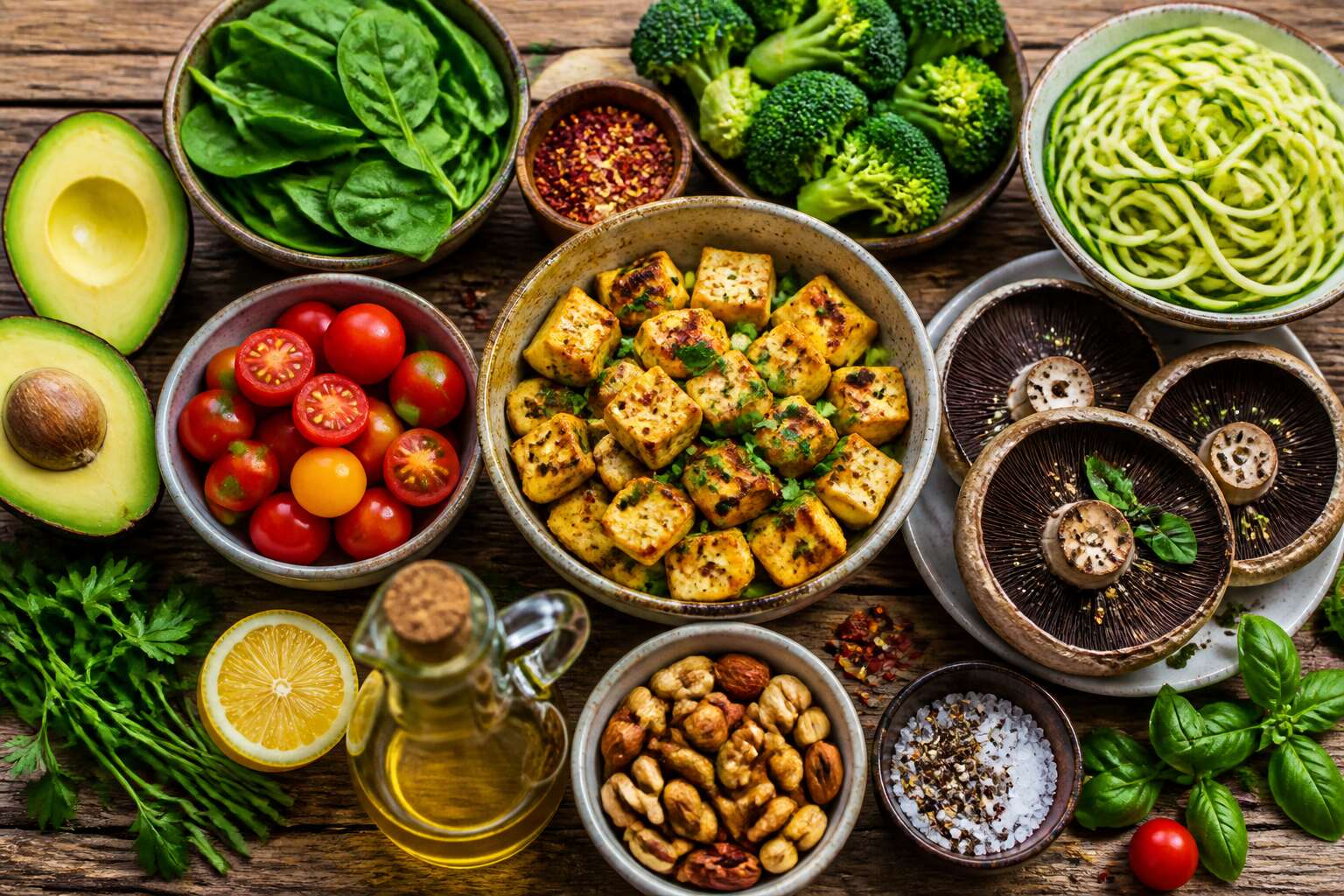
With every heavy spoon of maize retired from the plate, a different signal reaches the stomach. The vegetarian plate becomes the centre of the meal, laid out in dark leaves and firm textures. A low carb diet plan vegetarian is not a scattering of restrictions; it is a reworking of the daily proportions. The wholesome pieces, the tomato, the swiss chard and the avocado, take over as the heart of the meal. The body learns to rotate its energy through these ingredients, rather than waiting for the next spike from the pantry.
The benefits from cutting that excess arrive in a clear sequence:
– Blood sugar stays on a single line, so the afternoon becomes a working space, not a heavy fog.
– Protein from tofu and cheese builds a steady platform of fullness before hunger takes control.
– Fibre beyond the greens quietly feeds the good bacteria in the gut, reducing the swelling that a casualty of a white roll.
That is the foundation of eating low-carb while staying vegetarian. The plate feels like a selected room, not a barren one. The plants hold the change with a wink.
Common Misconceptions and How to Avoid Them
Perhaps the most stubborn myth about a low carb diet plan vegetarian is that it demands a heroic willpower against hunger. Another assumes that protein, that sturdy anchor, can only arrive from flesh. Both misconceptions fade once you understand the foundation: protein comes from eggs, paneer, chickpea flour, and a spectrum of seeds. The real fundamental is not subtraction, but substitution. You swap the maize meal for a cauliflower mash that holds its own against gravy. You trade the roosterkoek for a dense, nutty seed loaf.
To keep this lifestyle sustainable in a South African kitchen, build on these pillars:
1. Lean on fermented foods like amasi or unsweetened yoghurt for both protein and gut health.
2. Use legumes sparingly, favouring the firmer textures of soybeans or lupins over sugar-heavy baked beans.
3. Let avocados and olives carry the fat, keeping meals satiating without reaching for processed cheese slices.
Blandness is another fear that scares people away from a low carb diet plan vegetarian. The undersung reality is that spices become the main event when starches leave the plate. A generous dusting of smoked paprika, a spoon of peri peri oil, or a crushed coriander seed can transform a simple bowl of sautéed greens into a memorable dish. This is where the fundamentals live: in the confident use of flavour, not in the avoidance of it.
Protein-Rich Vegetarian Foods for Low-Carb Meals
Best Sources of Plant-Based Protein with Minimal Carbs
Pulse protein presents a workable route. Cooked lupini beans pack 26 grams of protein and 16 grams of total carbs per cup, but their net carb figure drops to 9 grams after fiber subtraction. A low carb diet plan vegetarian frequently turns to soy and seeds for superior protein density.
- Firm tofu: 17g protein, 2.3g net carbs per 100g
- Edamame: 11g protein, 3g net carbs per 100g
- Hemp hearts: 31g protein, 3.5g net carbs per 30g
Nutritional yeast earns its place with 8 grams of protein per two tablespoons alongside 5 grams of carbs. Rotating these ingredients across a week delivers steady nourishment without carbohydrate overload. The result is a practical framework for exploring plant-based eating.
Incorporating Eggs and Dairy for High-Protein, Low-Carb Support
Eggs and dairy provide dense protein with minimal carbohydrates. A large egg delivers 6 grams of protein and under 1 gram of carbs. Full fat Greek yogurt strains out most lactose, leaving 9 grams of protein per 100 grams with only 3.5 grams of carbs. Hard cheeses like cheddar or gouda contain almost no carbs. Cottage cheese adds 11 grams of protein per half cup.
For a quick meal, combine these ingredients!
- Two boiled eggs with a slice of cheddar
- Greek yogurt with hemp hearts and a pinch of salt
- Cottage cheese with sliced cucumber
This approach keeps your low carb diet plan vegetarian on track without feeling restrictive.
Smart Use of Nuts, Seeds, and Legumes in Moderation
Nuts and seeds support a low carb diet plan vegetarian. Almonds deliver 6 grams of protein with only 2.6 grams of net carbs per handful. Chia seeds offer 4.7 grams of protein per ounce, yet their fibre demands water. Portion discipline matters, as these foods pack calories.
Legumes need moderation. Cooked lentils bring 18 grams of protein per cup but also 40 grams of carbs. A quarter cup of chickpeas adds protein without ruining your plan.
- Pumpkin seeds: 8.6g protein, 2.4g net carbs per 30g
- Walnuts: 4.3g protein, 2g net carbs per 30g
- Hemp hearts: 10g protein, 1.4g net carbs per 30g
In my kitchen, toasted sunflower seeds garnish salads, while a sparse scattering of black beans enriches soup. These small choices keep a low carb diet plan vegetarian satisfying and sustainable.
How to Calculate Your Daily Protein Needs
Your protein needs are not a mystery. The formula is simple: multiply your body weight in kilograms by 0.8 for a sedentary lifestyle, or by 1.0 if you exercise regularly. A 68 kg person aiming for an active day requires 68 grams of protein. That number can feel daunting on a low carb diet plan vegetarian. But it is achievable with precise food choices.
- Weigh yourself in the morning and record the number in kilograms.
- Multiply that weight by your activity factor, between 0.8 and 1.2.
- Divide the result across your meals to avoid a single protein spike.
These calculations reveal why planning matters. A half cup of tofu offers 10 grams of protein with under 2 grams of net carbs. Tempeh goes further, delivering 16 grams per half cup. Each serving pushes you closer to your target without wrecking your carbohydrate budget.
Building a Balanced Low-Carb Vegetarian Plate
The Role of Non-Starchy Vegetables as Your Carb Base
Most South Africans eat less than half the recommended daily vegetables. On a low carb diet plan vegetarian, that gap becomes an advantage. Non-starchy vegetables form the base of every plate. Spinach, broccoli, cauliflower, and peppers deliver volume and fibre for minimal net carbs. Start your plate with these greens, then add protein and healthy fats. This prevents carb creep from starchy staples like potatoes or maize porridge.
I often tell clients to fill two thirds of their plate with vegetables. That simple habit anchors the entire low carb diet plan vegetarian. It simplifies portion control and stabilises blood sugar. Vary colours and textures to keep meals interesting.
- Rocket and baby marrow for a South African twist
- Mushrooms and aubergine for satiety
- Cabbage and green beans for crunch
Each vegetable offers distinct phytonutrients, so rotate your choices daily. A sturdy vegetable base makes the rest of the plate easy to assemble.
Healthy Fats That Keep You Full and Energized
Many South Africans still treat fat with suspicion, yet a low carb diet plan vegetarian depends on it. Without sufficient fat, meals end in early hunger and energy slumps. Fat slows gastric emptying, which keeps you satisfied between meals and stabilises blood glucose. It also carries fat-soluble vitamins A, D, E and K, which vegetarian diets often lack. Dietary fat offers sustained energy because the body metabolises it slowly. Choose dense, whole-food sources rather than relying on heavy oil.
Consider these additions:
- Avocado, sliced over rocket or roasted cauliflower
- Extra virgin olive oil drizzled on salads or cooked greens
- Macadamia nuts and seeds, sprinkled in small handfuls
Each option raises palatability without raising insulin. This is the metabolic advantage of a low carb diet plan vegetarian! You eat fewer calories overall because the body receives clear fullness signals, not because you count every gram.
Portion Control and Macro Balancing for Success
Portion control defines the difference between a low carb diet plan vegetarian that works and one that fails. Imagine your plate divided into fixed sections. Half holds non-starchy vegetables, such as spinach or broccoli. A quarter holds a protein source: tempeh, boiled eggs, or full fat yoghurt. The final quarter is reserved for healthy fats and low carb sides, like avocado slices or olives.
This visual anchor simplifies macro balancing. Carbohydrates stay low because vegetables fill the biggest section, while fat and protein manage hunger. For most adults, a protein portion of 20 to 30 grams per meal works well. Adjust fat upward on active days. The plate method creates consistency without obsessive tracking. A low carb diet plan vegetarian becomes sustainable when meals are balanced this way, each portion serving a deliberate purpose.
Creating Flavorful Meals Without Added Sugar or Starches
Flavor does not require sugar or a scoop of mashed potato. It comes from what you choose to layer. Fresh ginger delivers heat, roasted garlic gives depth, and a squeeze of lime adds brightness. These are not toppings. They are essential elements.
Charred cauliflower takes on natural sweetness without starch. Crumble feta over it, add toasted cumin seeds, and you have a meal that feels indulgent. For short evenings, keep prepared allies on hand:
- Harissa paste and plain yoghurt
- Smoked paprika and lemon zest
- Miso dissolved in warm water
These combinations build layers with no added sugar. Then pile on wilted greens and a poached egg. That is a plate that carries a low carb diet plan vegetarian forward with effortlessness.
Meal Prep Strategies for Busy Weekdays
Most South African weekday dinners are rushed. A balanced plate begins with a visual rule. Fill half with spinach, broccoli, or cauliflower. Devote a quarter to protein from eggs, cottage cheese, or paneer. The last quarter holds avocado, olives, or seeds. This structure keeps meals simple and satisfying.
Meal prep saves the week! On Sunday, I hard boil six eggs, roast a tray of mixed vegetables, and divide Greek yoghurt into small containers. Store these in clear glass. You can assemble meals in minutes.
- Boiled eggs for protein boosts
- Roasted aubergine and peppers
- Minted yoghurt for dressing
These steps reduce decision fatigue. A low carb diet plan vegetarian works when preparation precedes hunger.
Navigating Challenges and Staying on Track
Dealing with Cravings for Carbs and Sugary Foods
Anyone who has tried a low carb diet plan vegetarian knows the curve of a carbohydrate craving. It arrives with urgency, often at the same hour each afternoon. South African readers will recognize the triggers: the corner bakery’s bread, or the ritual of tea with something sweet. Recognizing the pattern matters more than resisting it.
Shifting attention away from willpower helps. Focus instead on the sensory pleasure of what remains on the plate. A bowl of roasted cauliflower with salted butter changes the mental conversation. That is the quiet discipline of a low carb diet plan vegetarian: allowing the urge to exist without acting on it.
Most cravings follow a similar arc:
- They pass within twenty minutes.
- They weaken after three weeks of consistent eating.
- They intensify when blood sugar swings, not when fat intake is adequate.
The craving is data, not a command. Once that distinction settles, staying on track becomes habit rather than heroics.
Tips for Dining Out and Social Events as a Vegetarian
Navigating a braai or a bustling restaurant menu while adhering to a low carb diet plan vegetarian requires a shift in perspective. The key is to scout the terrain before you arrive. A quick glance at the digital menu online often reveals adaptable dishes, saving you from a hunger-driven decision at the table. When the waiter approaches, your request is simple: ask for the sauce on the side and the chips replaced with a extra serving of greens.
Most kitchens are willing to accommodate a vegetarian. They can add avocado, halloumi, or a fried egg to a salad that seems too plain. For a gathering, offer to bring a substantial dish. That guarantees you have a filling option.
– Order a starter like stuffed mushrooms or a cheese platter.
– Request a double portion of vegetables instead of the starch.
– Choose grilled items over anything fried or coated in batter.
These small actions make the low carb diet plan vegetarian sustainable outside the home. The social occasion becomes about the company, not the compromise.
Avoiding Nutrient Deficiencies – Key Vitamins and Minerals
A low carb diet plan vegetarian carries a list of nutrients that can slip out of balance, and the first casualty is often iron. Vitamin B12 and zinc require deliberate attention when grains and legumes shrink in portion. I have seen enough readers struggle with fatigue to know that deficiency arrives without fanfare.
The risk is not automatic. It comes from repetition, from too many meals built on the same ingredients. Dark leafy greens supply magnesium and calcium. Eggs and dairy offer B12. A handful of sunflower seeds bolsters zinc. A plate built only on avocado and cheese leaves gaps that a low carb diet plan vegetarian cannot afford.
Three food groups matter most:
- Non-starchy vegetables remain the base of the plan, yet variety unlocks their mineral potential.
- Fermented foods like sauerkraut provide vitamin K2, often ignored.
- Nutritional yeast contributes B vitamins when cheese is absent.
How to Adjust Your Plan for Fitness and Weight Loss Goals
When your fitness routine ramps up, the low carb diet plan vegetarian needs small recalibrations. I see people stall because they keep the same portions while burning more energy. Add an extra egg or a quarter cup of pumpkin seeds on training days.
Weight loss plateaus often signal a need for variety, not restriction. Swap cauliflower for broccoli one week, or increase fermented foods to support digestion. The goal is to keep insulin low without starving your muscles.
- Increase protein by 10 grams after resistance workouts.
- Shift carbs to post exercise meals for recovery.
- Track energy levels rather than daily weight.
Staying on track means listening to your body, not a rigid chart. Adjust fat intake when hunger fades, and reassess after two weeks. Your low carb diet plan vegetarian should bend to your reality!
Tracking Progress and Making Sustainable Changes
Weighing yourself daily is a social faux pas with your own reflection. South Africans often treat the scale like a gossip, believing every fluctuation deserves attention. The low carb diet plan vegetarian thrives when you track patterns, not moments. Keep a simple log of energy, sleep, and waist measurements. This reveals more than numbers ever will.
When challenges arise, boredom is the usual culprit. Rotate your leafy greens. Try different cheeses. Change how you plate meals. A flexible approach prevents the dreaded spiral.
Here is a practical way to monitor without losing the plot:
- Note how clothes fit monthly
- Track hunger signals between meals
- Record workout stamina weekly
Sustainable change comes from repetition, not perfection. Your low carb diet plan vegetarian should feel like a habit, not a sentence.
Delicious Low-Carb Vegetarian Recipe Ideas
Quick Breakfast Options Like Eggs with Greens or Greek Yogurt Parfaits
The first pale light of morning asks for sustenance, not ceremony. A low carb diet plan vegetarian can begin with eggs scrambled into wilted spinach, the yolk pooling golden. Or a Greek yogurt parfait, layered with berries and crushed pecans, creamy against the crunch.
For those who seek variety, consider these quick combinations:
- Two boiled eggs with a handful of rocket
- Full fat yoghurt with chia seeds and a few raspberries
- Halloumi slices fried in olive oil, served with avocado
Each option holds protein and fat to steady the blood, no starchy filler required. The body wakes to fuel, not fog, and the morning turns quiet and sharp.
Satisfying Lunch Bowls with Tofu, Cauliflower Rice, and Avocado
Lunch bowls turn the middle of the day into a quiet act of self care. Pressed tofu, seared until golden, adds a firm bite that holds its own against creamy avocado. Cauliflower rice forms the base, light enough to carry a spoonful of dressing without turning soggy.
The arrangement matters as much as the ingredients. Warm elements on one side, cool slices on the other, a scatter of fresh herbs across the top. This is a low carb diet plan vegetarian in its most practical form.
- Tofu cubes marinated in tamari and sesame oil
- Cauliflower rice warmed with garlic and ginger
- Avocado halves drizzled with lemon
Each forkful brings a different texture. The bowl keeps you satisfied through the afternoon without the heaviness of grains or bread.
Dinner Favorites – Zucchini Noodles with Pesto and Grilled Halloumi
Let’s talk dinner. Zucchini noodles with pesto and grilled halloumi is the kind of meal that makes you forget you are following a low carb diet plan vegetarian. The halloumi squeaks with every bite, and that is a feature, not a bug.
Grill the halloumi until it develops a crust. Toss the zucchini ribbons in a basil pesto that uses more nuts than cheese. This keeps protein prominent while carbs hide in the shadows.
- Two spiralized courgettes
- Two hundred grams of halloumi
- A generous spoon of homemade pesto
That entire plate lands under ten grams of net carbs. I have served it to carnivores who did not complain.
Snacks That Crush Hunger – Cheese Crisps, Almonds, and Olives
When hunger strikes between meals, a low carb diet plan vegetarian should not feel like a test of will. Cheese crisps offer a brittle crunch. Almonds bring a dense, earthy finish. Olives add a briny spark that resets the palate.
- Cheddar crisps baked until golden at the edges
- Green olives marinated with garlic and lemon zest
- A small bowl of smoked almonds
These three crush hunger without a single gram of starch. Pair them with a cold sparkling water and the afternoon disappears.
Desserts Without the Sugar – Berries with Whipped Cream or Chia Pudding
Most people think dessert is off the table on a low carb diet plan vegetarian. The truth is sweeter. Berries with whipped cream deliver a tart pop and a silky finish without a grain of sugar. Chia pudding turns into a thick, custard like base overnight, ready for a spoon at lunch. Try these combinations:
- Strawberries with vanilla whipped cream
- Chia pudding with coconut milk and raspberries
- Blackberries with a dollop of mascarpone
Each option keeps net carbs low while satisfying the ritual of dessert. I have found that a pinch of cinnamon or a few cacao nibs add depth without sneaking in sweetness. A low carb diet plan vegetarian does not have to mean saying goodbye to the last course. It means rethinking what that course looks like.
Beverage Ideas – Sparkling Water, Unsweetened Tea, and Coffee with Cream
Those navigating a low carb diet plan vegetarian often forget that beverages can derail progress. A single sugary soda contains more carbohydrates than a slice of bread. Instead, embrace sparkling water, which offers effervescence without hidden sweeteners. Unsweetened tea provides a gentle caffeine lift and a bitter counterpoint to rich meals. Coffee with cream supplies satiating fat while keeping carbohydrate count near zero.
Consider these simple rotations:
– Sparkling water with a muddled mint sprig.
– Cold brew with a splash of double cream.
– Rooibos tea, a South African staple, served plain.
Each choice supports the low carb diet plan vegetarian without demanding elaborate preparation. The ritual of pouring and sipping remains intact, only the sugar disappears.


0 Comments