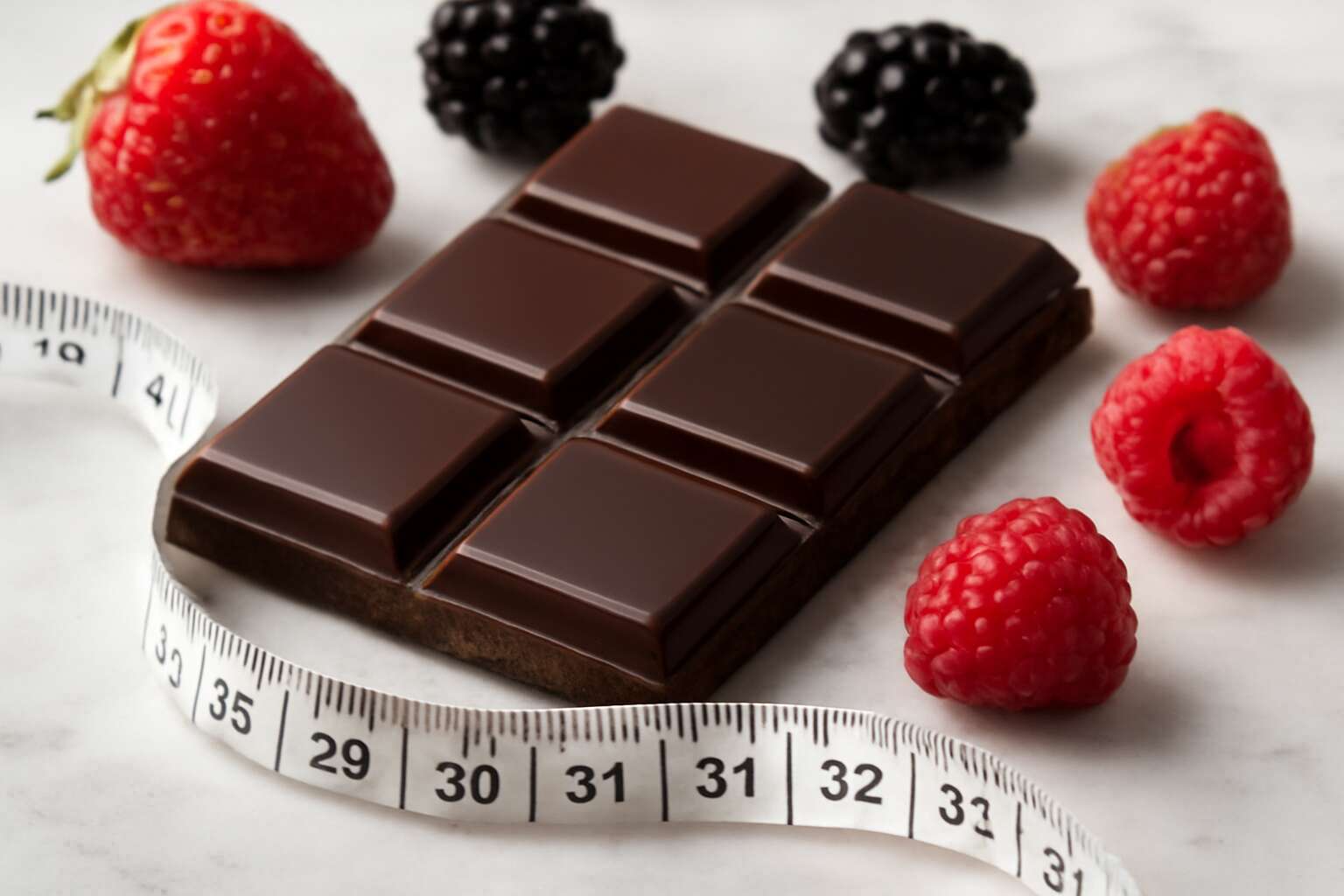
Understanding sugar-free chocolate and its place in a low-carb lifestyle
What qualifies as sugar-free chocolate
Chocolate that respects your macros isn’t a dream—it’s a growing reality in South Africa’s snack aisles. sugar free chocolate low carb has moved from niche to necessity, delivering indulgence with a lighter footprint on your day. A treat that respects your goals, really.
Qualifying as sugar free chocolate low carb means more than skipping sugar. It hinges on low net carbs, careful sweeteners, and transparent labeling.
- Low net carb per portion
- Non-nutritive or natural sweeteners that don’t spike blood sugar
- Clear ingredient list and carb counts
In daily life, these bars slot neatly into a South African pantry alongside nuts and coffee. For many, choosing sugar free chocolate low carb options becomes part of a balanced routine rather than a guilty pleasure.
Low-carb ingredients and common substitutes
A tiny bar can recalibrate a day—strong cocoa, minimal sugar, maximum satiety. For many South Africans, sugar free chocolate low carb isn’t a fantasy—it’s a pantry staple that respects macros without dulling delight.
Low-carb ingredients pair with careful substitutes to create satisfying bars.
- erythritol or xylitol as sugar alternatives
- stevia or monk fruit to balance sweetness
- high-cocoa chocolate (70%+) with cocoa butter and minimal additives
Label transparency is a hallmark, with clear carb counts and ingredient lists.
In daily life, these choices slot neatly into a South African pantry alongside nuts and coffee, supporting a lifestyle that seeks indulgence without derailing goals.
Why people choose sugar-free chocolate on keto and low-carb plans
A spark in the pantry: across South Africa, demand for sugar-free chocolate is up more than 20% this year, proof that cravings can align with macros. It’s not magic; it’s a precise balance of cocoa intensity and carefully chosen sweeteners.
Reasons it fits a low-carb life:
- Rich, high-cocoa bars dictate smaller portions and deeper satisfaction.
- Substitutes like erythritol tame sweetness without spiking insulin.
- Clear labeling keeps macros honest and planning predictable.
For many, sugar free chocolate low carb isn’t a compromise—it’s a habit that respects macros while delivering solace in the late-night hush of SA kitchens.
Common myths about sugar-free chocolate and carbs
In the pantry labyrinth of a South African low-carb life, understanding sugar free chocolate low carb is a compass, not a concession. Demand for sugar-free treats has jumped roughly 20% this year in SA, proving cravings can coexist with macros. These bars tempt with cocoa depth and thoughtful sweeteners, not gimmicks.
Understanding its place means embracing cocoa intensity, portion control, and transparent labels. With erythritol or stevia blends, the sweetness lands without the insulin spike, and the best bars declare macros on the wrapper, so you plan with confidence.
Common myths about sugar-free chocolate and carbs:
- Sugar-free equals zero carbs.
- All sugar substitutes are equally gut-friendly.
- If it’s sugar-free, it must taste like cardboard.
Reality, though, is nuanced: some bars carry fibre, others trade away texture for sweetness, and occasional aftertaste isn’t a deal-breaker for a SA kitchen clock with nocturnal cravings.
Sweeteners in sugar-free chocolate: a comparative guide
Sugar alcohols used in chocolate and their carb counts
Sweetness without the spike is possible! In sugar free chocolate low carb options, the sweetener choice shapes flavor and carb load. Sugar alcohols do the heavy lifting, but each carries a different footprint and aftertaste. The blend on a label tells the full story.
Here are common sugar alcohols and their rough net-carb contributions per gram:
- Erythritol — about 0 g net carbs per gram (nearly zero impact)
- Xylitol — about 2.4 g net carbs per gram
- Maltitol — about 2.0–2.5 g net carbs per gram
- Sorbitol — about 2.6 g net carbs per gram
- Isomalt — about 2.0 g net carbs per gram
Labels vary, and the bar you reach for will balance sweetness with lingering aftertaste. Understanding these counts helps you compare sugar free chocolate low carb offerings with confidence.
Non-nutritive sweeteners and their impact on taste and carbs
Taste first, carbs second—it’s the promise behind every sugar free chocolate low carb bar. In these options, non-nutritive sweeteners shape how the bar feels on the tongue and how it sits in your carb tally. A clean sweetness can be rewarding and energising.
Stevia and monk fruit offer near-zero calories and carb impact, but their brightness can skew toward anise-like notes for some tasters. Sucralose and saccharin read clean, with less aftertaste, though a few still sense a subtle artificial edge.
Consider these common options in sugar free chocolate low carb lines:
- Stevia — natural, zero calories
- Monk fruit (Luo Han Guo) — zero net carbs
- Sucralose — clean sweetness, minimal aftertaste
- Aspartame and Saccharin blends — classic sweetness
Texture and flavor trade-offs with different substitutes
Taste takes the throne and carbs play the loyal sidekick in sugar free chocolate low carb fantasies. In a crowded SA aisle, bold, clean sweetness can feel like a win, but it isn’t one-size-fits-all. A shopper survey found 63% prioritise taste over carb count, the kind of statistic that makes reformulators grin and tasters roll their eyes.
Texture and flavor trade-offs unfold on the tongue as you sample the lineup. The common contenders each bring a personality, turning a simple bar into a tiny tasting journey!
- Stevia and monk fruit deliver near-zero calories; brightness can tilt toward anise-like notes for some tasters.
- Sucralose and saccharin read clean, with less aftertaste, though a subtle artificial edge lingers for a few tasters.
- Aspartame blends offer classic sweetness with familiar mouthfeel.
Trade-offs invite curiosity, not surrender, and the tongue decides which sweetness best suits the bar’s personality.
How to read labels to spot hidden carbs
Across South Africa’s shelves, 63% of shoppers say taste outruns carb counts, and sugar free chocolate low carb fantasies ride that wave. The real map is the label: the numbers, not the glossy wrapper, tell you what you’re really biting into.
I read labels like a tasting menu; the serving size matters, and the dance between ‘total carbohydrate’ and the sugars—with any polyol notes—reveals hidden carbs that can shift a bar from indulgence to something lighter. Small print, big difference!
Which sweeteners deliver the best taste with the least aftertaste
Across the pantry, the secret to a truly satisfying bite lies not in glam foil but in the science of sweeteners. In the realm of sugar free chocolate low carb, choosing the right sweetener is a conversation with your palate—one that can whisper sweetness or cry out aftertaste. Erythritol offers a clean finish with negligible aftertaste, while allulose delivers a sugar-like hit with far less digestion overhead. Monk fruit blends, when balanced, provide brightness without cloying residue.
- Erythritol — near-zero calories, clean sweetness, minimal aftertaste
- Allulose — sugar-like bite with little to no aftertaste
- Monk fruit blends — potent sweetness, clean finish; best when used sparingly
For sugar free chocolate low carb enthusiasts, the best bars whisper rather than proclaim. The right blend balances mouthfeel and sweetness, delivering a refined finish for social occasions—tea time, after-dinner chats, and memories of a Cape Town chocolate shop on a rainy day.
Nutrition, calories, and serving size considerations
Impact on blood sugar and insulin response
In South Africa, the sugar free chocolate low carb scene meets math. Calories don’t vanish just because a label shouts sugar free; portion size remains the quiet czar. Shoppers chase balance: a satisfying bite without tipping energy budgets. Nutrition, calories, and serving size considerations matter for how your day unfolds—and for that chocolatey moment after a long day at the desk.
- Calories per serving vary by brand and size.
- Typical serving sizes range from 10–20 g for minis to 40 g for larger bars.
- Net carbs hinge on sugar alcohols and sweeteners; check labels for totals.
Impact on blood sugar and insulin response isn’t uniform. Tiny portions usually keep the rise modest, but some blends with maltitol can lift glucose a fraction and occasionally spark GI quirks. The bottom line: taste matters, but so does portion control when you’re navigating a low carb lifestyle.
Net carbs vs. total carbs: calculating for a low-carb day
Only 37% of chocolate lovers read carb labels before reaching for a bar, and that tiny omission can tilt a low-carb day. I see readers stumble over unclear labels; in South Africa, the sugar free chocolate low carb option sits at the crossroads of taste, portions, and energy budgets after a long desk day.
Net carbs vs total carbs isn’t math mumbo-jumbo; it’s how you map a day. Consider these quick checks:
- Check label: Total Carbs, Fibre, and Sugar Alcohols.
- Estimate net carbs by subtracting fibre and certain sugar alcohols from Total Carbs.
- Use small servings to stay within your daily carb target.
Portion size remains the quiet czar; a mindful bite keeps calories in check and your energy plan intact—without dulling the moment.
Potential GI effects and tolerability of sugar substitutes
Only 37% of chocolate lovers read carb labels before reaching for a bar, and that tiny omission can tilt a low-carb day. In South Africa, sugar free chocolate low carb options cross the crossroads of taste, portions, and an energy budget after a long desk day.
Nutrition wise, mastering calories begins with mindful serving sizes. Track the energy per bite and compare it to your daily budget; even a modest indulgence carries energy that compounds across meals. A balanced plate—protein, fats, and the remaining carbohydrates—keeps flavor and function aligned.
- Calories per serving
- Carbs per bar
- Satiety from fats and protein
Potential GI effects and tolerability of sugar substitutes vary by person; some individuals may experience gas, bloating, or laxative effects with certain sugar alcohols, especially in larger amounts. Tolerance differs, so awareness matters in the journey.
Allergen and ingredient considerations in popular brands
Across South Africa, the quiet arithmetic of a low-carb day hinges on one bite—the energy tucked inside a bar. A tiny misstep can tilt the balance, and the right portion of sugar free chocolate low carb becomes less indulgence and more daily discipline.
Nutrition, calories, and serving size considerations anchor a thoughtful approach. Energy per bite against a daily budget enters the dialogue; even modest indulgences accumulate. A balanced plate—protein, fats, and the remaining carbohydrates—keeps flavor and function in harmony.
- Calories per serving
- Carbs per bar
- Satiety from fats and protein
Allergen and ingredient considerations vary by brand. In popular sugar free chocolate low carb options, dairy, nuts, and soy lecithin are common, with cross-contact a real risk in shared facilities. Reading allergen statements and ingredient lists remains essential for mindful choices.
Flavor quests meet budget constraints in a landscape where cocoa bitterness mingles with sweeteners’ aftertaste, inviting a refined, human approach to every bar.
Choosing and buying sugar-free chocolate for a low-carb pantry
What to look for on a nutrition panel and ingredient list
Across South Africa, I see health minded shoppers seeking sugar free chocolate low carb to satisfy cravings without tipping the scale. The right bar becomes a tiny universe: rich cacao, delicate sweetness, and a carb count that respects our plans.
Your nutrition panel and ingredient list are allies on the shelf. Seek low net carbs per serving, a sensible serving size, and concise ingredients you can pronounce.
Consider these quick checks:
- Net carbs per serving and serving size
- Sweetener type and absence of hidden sugars
- Allergen labeling
- Certifications and production practices
Labels like ‘sugar-free’ versus ‘no sugar added’ whisper different truths about aftertaste and carbs. In my experience, a smooth finish often signals a well-balanced blend. In SA, texture matters as much as calories.
Brand comparisons and top-rated options for low-carb dieters
In SA, cravings meet discipline: sugar free chocolate low carb is moving faster off shelves than ever. I notice bars that balance rich cacao with thoughtful sweetness, yielding a finish that respects your carb budget and your cravings!
Brand comparisons in SA spotlight how cacao percentage, texture, and sweetener choice shape the experience more than brand name alone. For many shoppers, sugar free chocolate low carb means balanced aftertaste and reliable energy. Transparency on labels reveals how brands balance sweetness and energy, guiding the shelf.
- Top-rated option with 85–90% cacao and a clean erythritol/stevia blend
- Sweet, smooth profile from a high-cocoa bar using monk fruit without aftertaste
- Low-net-carb option that keeps crunch and snap without excess sugar alcohols
Tips for stocking and pantry organization
South Africa’s shelves reveal a delicious paradox: cravings meet discipline, and sugar free chocolate low carb disappears faster than a braai gossip. The right bar balances cacao depth with restrained sweetness, proving that a smart choice can protect your carb budget without dulling the pleasure.
Choosing is about more than cacao percentage; it’s texture, sweetener, and honest labeling. Seek transparent ingredients and a clean aftertaste. Consider these touchstones:
- High cacao percentage with a satisfying snap
- Balanced sweeteners (erythritol/stevia, monk fruit) with minimal aftertaste
- Clear nutrition info and realistic net carbs
- Allergen clarity and ethical sourcing
Stocking such a pantry rewards discipline and curiosity; you’ll rotate favorites with the seasons and temptations. A well-curated kitchen becomes a discreet indulgence.
Ethics, cocoa sourcing, and clean-label options
Across South Africa, the pantry test is telling: you crave cacao depth without derailing your carb budget. A thoughtful purchase signals ethics, traceability, and honest labeling as you compare brands. sugar free chocolate low carb is within reach when you look past glossy packaging to the story behind every bar.
Touchstones for thoughtful purchasing:
- High cacao percentage with a satisfying snap
- Transparent sourcing maps and ethical cocoa farming
- Clean-label ingredients with minimal aftertaste
- Clear nutrition panel and realistic net carbs
When you rotate brands with the seasons, your pantry becomes a discreet indulgence that pairs refined taste with responsibility, keeping your low-carb plan intact while you treat the senses.
Finding deals: online shopping tips and coupons
Choosing sugar free chocolate low carb means seeking cacao depth without wrecking your carb budget. In a South African pantry, the bar should snap with purpose, not glitter on shelves. Demand labeling you can trust and a provenance you can trace!
Online shopping unlocks deals and doorstep convenience, but savings come with scrutiny. Look for coupon codes on brand sites and major retailers, compare shipping costs, and beware hidden handling fees.
- Search coupon codes on brand sites and major retailers
- Compare shipping costs and minimums for SA delivery
- Look for direct-from-brand subscriptions or bulk-purchase discounts
Stocking your low-carb pantry is a ritual of discernment: you want brands that honor people and provenance, while offering real flavor with minimal aftertaste.
Creative uses of sugar-free chocolate in a low-carb lifestyle
Quick snack ideas and portion control
Creativity meets constraint in a sugar free chocolate low carb routine: drizzle melted shards over fresh berries, fold a ribbon into smooth yoghurt, or craft a small bark with nuts for a satisfying crunch.
- Drizzle over berries for brightness
- Fold into yoghurt for mousse-like texture
- Create a nutty bark with seeds
For quick snack ideas and portion control, pre-portion into ten-to-twelve-gram squares and store in the fridge; grab one square with coffee for steady energy.
Low-carb dessert ideas that feature sugar-free chocolate
Cravings strike decisively in a busy day, but a thoughtful treat can keep you on track. In the realm of sugar free chocolate low carb, texture and flavor win over guilt—so you can savor chocolate without derailing macros. Start with a silky base—avocado or coconut cream—whisked with vanilla, a pinch of salt, and a dash of citrus to brighten the finish.
Creative uses shine when dessert is portion-friendly and elegant. Try these quick ideas:
- Silky avocado-chocolate mousse cups with citrus zest
- Chilled coconut cream folded with grated chocolate for a mousse-like spoonful
- Crunchy nut butter cups with a thin chocolate shell
Pairings with coffee, nuts, and berries for a satisfying bite
Cravings bite, but a thoughtful bite can keep you on track on a low-carb journey. Across South Africa, sugar free chocolate low carb has quietly become a staple for those who want richness without derailing macros. A silky avocado-coconut cream base, a whisper of vanilla, and a citrus lift—let flavor triumph over guilt.
- Coffee companion: a tiny square melted into a bold espresso, finished with orange zest for brightness
- Nutty duo: almond or peanut butter cups with a crisp chocolate shell
- Berry bite: fresh strawberries or raspberries dusted with a cocoa shave
Small, elegant portions make the experience satisfying without the spike, proving that this approach stays true to the low-carb ethos.
DIY flavor infusions and simple chocolate recipes
Creativity flourishes where sugar free chocolate low carb meets the kitchen. Across South Africa, home cooks are weaving indulgence into macros, turning a single square into a ritual and a moment of escape. Infuse warmth with vanilla, citrus lift, and a whisper of spice, and the chocolate becomes a passport to bold, guilt-free flavor.
- Citrus-vanilla glow: Melt the chocolate, whisk in vanilla and orange zest, spread thin on parchment, and chill until glossy stars form.
- Chili-mint surge: A pinch of chili, a drop of peppermint oil, and a pinch of sea salt folded through the warm chocolate, poured into molds and finished with cocoa nibs.
- Coconut-cinnamon dream: Fold in shredded coconut and a whisper of cinnamon, spoon into mini cups, then refrigerate until set.
These tiny confections keep indulgence honest and approachable, a practical flourish for anyone balancing low-carb goals. Simple, scalable, and elegantly delicious.




0 Comments