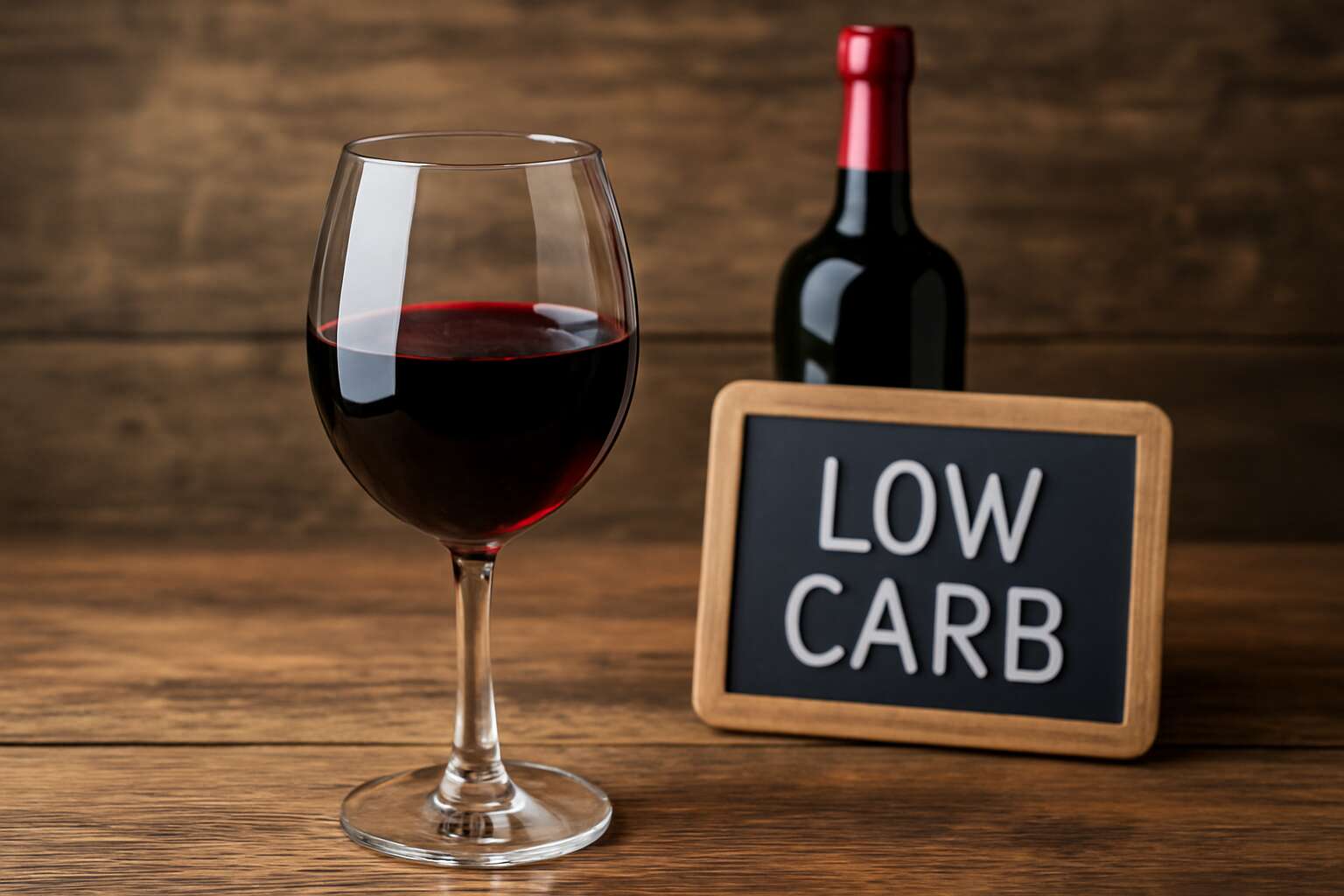
Wine and Carbohydrates: SEO Outline
Understanding carb counts in wine
South Africa’s wine scene pairs sunshine with numbers, and those numbers matter if you’re watching carbs. A standard 150ml pour can carry roughly 0.5 to 5 g of carbs, depending on style and residual sugar. Many readers wonder is wine low carb, and the answer sits on a spectrum shaped by fermentation, grape variety, and pouring size. Sip slowly, calculate mindfully, and savour the balance between flavor and footprint.
Understanding carb counts is less about demonizing wine and more about context. Key factors include:
- Residual sugar (grams per litre)
- Serving size accuracy (typical 150 ml)
- Wine style (dry vs. sweet) and fermentation
- Fortified wines and sweet dessert wines
With these knobs, readers in South Africa can tailor their picks—enjoying terroir without tipping their dietary scales.
Wine categories and their carb ranges
Wine presents a delicious paradox: it can feel light on the palate yet heavy with memory. In South Africa, balance matters as much as bouquet, and palates often circle back to one question: is wine low carb? The answer is nuanced, rooted in style, pour size, and how grapes are coaxed into sweetness. Categories whisper their own arithmetic, revealing a spectrum rather than a verdict.
- Dry wines (red and white): roughly 0.5–3 g per 150 ml
- Off-dry and semisweet: about 3–7 g per 150 ml
- Sweet and dessert wines: around 7–15 g per 150 ml
- Fortified wines (port, sherry): commonly 9–20 g per 150 ml
Let the palate guide you; terroir remains delicious without tipping the scale. is wine low carb, when viewed through category and pour, becomes a conversation.
Practical strategies to keep it low carb
Wine is a paradox in SA: it seduces with aroma and memory while winking at your carb ledger. In the swirl of a tasting room, is wine low carb becomes a conversation rather than a verdict. The twist is that the answer lives in style, pour, and the careful coaxing of sugars—terroir whispering sweeter nothings to the palate.
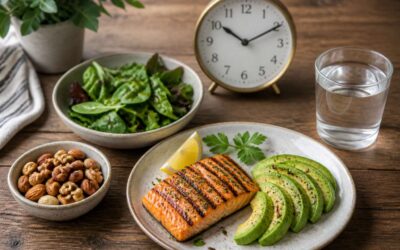
When we frame this conversation through a pragmatic lens, the signal is in dryness, the pace of the sip, and the absence of fortified influences. It’s less about categories and more about balance: a knowing nod to residual sugar, alcohol strength, and the evening’s menu. South African wine culture loves a good pairing, and those choices can tilt the carb scale without dulling the bouquet!


0 Comments