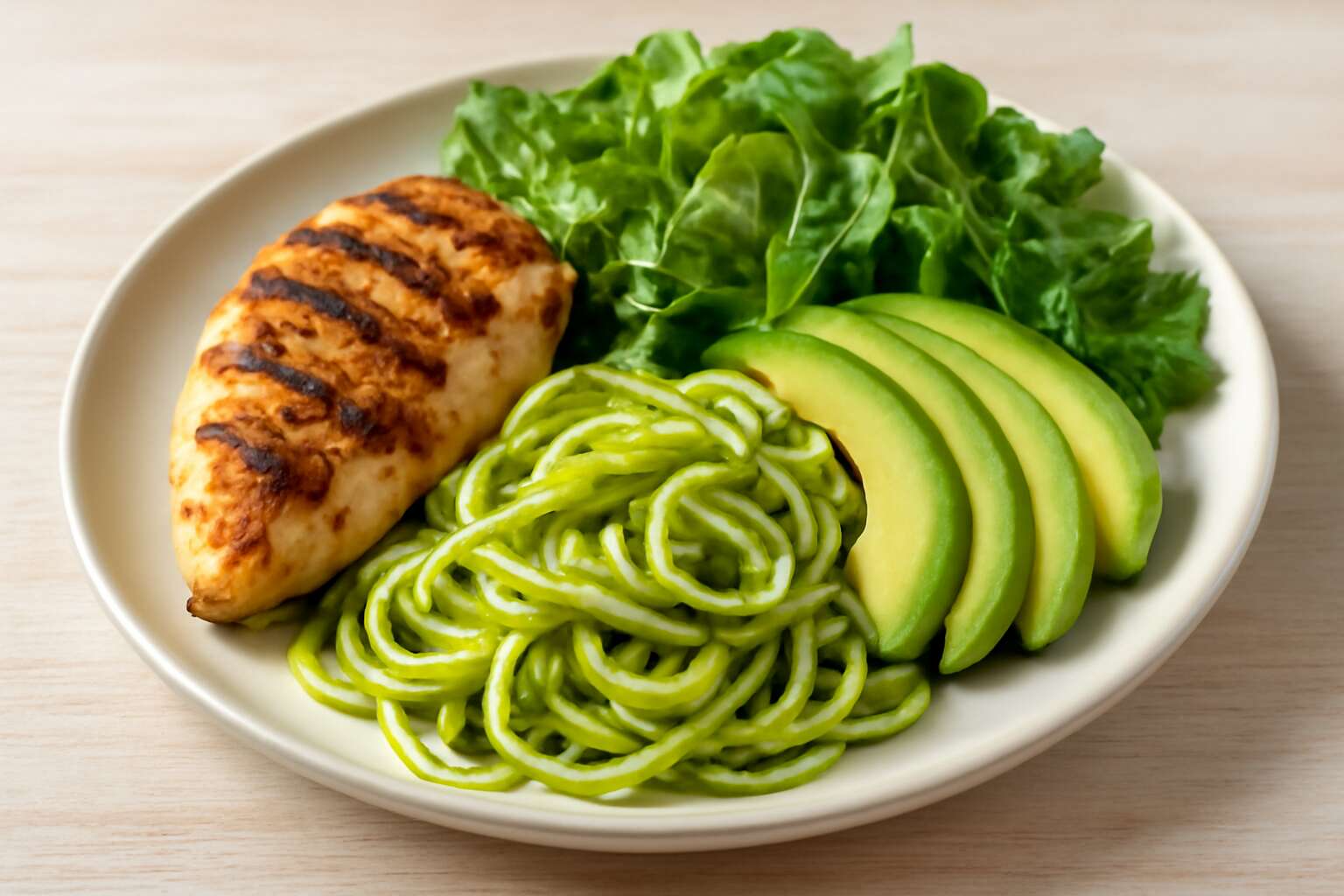
Evidence-based Low Carb Diet Basics
Key principles of low carb dieting
“Carbs aren’t the enemy—the refined ones are,” insists a leading nutritionist, and the sentiment underpins evidence-based nutrition for a low carb approach. In South Africa’s clinics and home kitchens alike, the principle is simple: cut the refined starches while preserving nourishment that keeps you moving. The science favours a structured approach that emphasizes satiety, steady energy, and metabolic clarity. When debated, the research tends to align with patient experiences: people feel fuller longer and cravings temper as carbohydrate quality improves.
These low carb diet tips are anchored in evidence, and they respect individual rhythms. Consider these guiding principles:
- Principle: Prioritize non-starchy vegetables and whole foods for micronutrients and fibre.
- Principle: Match protein and healthy fats to support fullness and metabolic flexibility; this aligns with low carb diet tips.
- Principle: Expect variation between people; tailor carbohydrate form and timing to personal energy needs.
Common myths and misconceptions
Carbs aren’t the enemy; they’re about quality. Across SA clinics and kitchens, myths about low carb diets persist, but evidence tells a steadier story: refined starches drive cravings, not whole foods. These low carb diet tips rely on real foods, not deprivation, and highlight satiety, steady energy, and metabolic clarity.
- Myth: Carbs must be removed entirely to see results.
- Myth: All fats are bad on a low carb plan; quality matters.
- Myth: You’ll crash energy and crave constantly with any carbohydrate restriction.
- Myth: Any packaged “low carb” product is a safe or healthy substitute.
Evidence-based nutrition supports flexible patterns, not rigid rules—and that means the myths fall away when you look at quality, timing, and individual energy needs.
How carbs are counted and labeled
“The truth is simple and pragmatic: carbs aren’t the enemy; it’s how you count and label them that shapes results,” a rural clinic director once said. In evidence-based low carb diet basics, the focus is on clear labeling and honest carb accounting, not fear. These low carb diet tips are about understanding what the numbers really mean on a pack and on your plate.
- Total carbs per serving show the carbohydrate load of that portion.
- Net carbs approximate impact by subtracting fiber from total carbs, when appropriate.
- Sugar alcohols vary in effect and should be read on labels with care.
- Label freshness and approved serving sizes affect how the data translates to meals.
In South Africa, where fresh produce dominates local cuisine, reading labels becomes practical literacy. By recognizing portion sizes and fiber content, people can navigate common foods with confidence, keeping nutrition language accessible and humane.
Expected changes in the first weeks
In the early weeks of a carb rethink, the signal is practical, not theatrical. Some analyses report a 2–4 kg drop, largely water, as glycogen tightens and insulin settles. It’s a hinge moment: appetite stabilizes, sleep steadies, and energy feels reliably steady.
Evidence-based low carb diet basics show changes include:
- Water weight dropping quickly, often before fat loss.
- Appetite becoming more predictable and less insistent.
- Blood sugar and energy stabilizing as the body adapts.
In South Africa, markets overflow with fresh produce, making label reading local literacy. By noting portion sizes and fiber content, people translate numbers on a pack into meals with confidence. This approach is at the heart of low carb diet tips, guiding readers with clarity rather than fear.
The first weeks set the tone for what follows—measured shifts, honest data, and a calmer relationship with food.
Practical Meal Planning and Recipes
Daily low carb meal templates
A practical approach to meal planning turns cravings into a quiet, reliable rhythm. In South Africa’s kitchens, success often begins with protein-forward plates that satisfy, leaving space for seasonal produce and the social spontaneity that defines our meals. Planning ahead creates freedom in the moment.
Here are templates you can rotate through to keep meals varied yet consistent.
- Breakfast template: Spinach and mushroom omelette with feta and avocado
- Lunch template: Grilled peri-peri chicken with cauliflower rice and roasted vegetables
- Dinner template: Beef stir-fry with peppers, broccoli, and sesame oil
These templates ensure variety without unnecessary complexity.
These patterns embody practical low carb diet tips that adapt to a busy week and a pantry that’s often minimalist.
High-protein breakfast ideas
The morning is the hinge on which the day swings. I’ve seen how a protein-forward breakfast anchors energy and curbs cravings, especially in South Africa where busy mornings demand speed without compromise!
Practical meal planning makes room for high-protein options that feel indulgent yet stay low carb. Here are reliable ideas you can rotate through while keeping prep simple and the pantry minimalist—these align with low carb diet tips that prioritise protein to curb cravings.
- Spinach, mushroom and feta omelette with avocado
- Greek yogurt with chia seeds, almonds, and a handful of berries
- Smoked salmon wrapped in lettuce with cream cheese and cucumber slices
These patterns lean on protein to keep hunger at bay and fit into a South African kitchen where fresh produce and pantry staples define weekly rhythm.
Lunch and dinner swap ideas
Practical meal planning turns a busy South African week into a rhythm you can actually keep. These are not starvation tactics; they are deliberate swaps that keep flavor front and center while staying low carb diet tips. Picture cauliflower rice instead of starch and leafy greens filling the plate while lean protein does the heavy lifting.
Lunch and dinner swap ideas you can rotate through:
- Cauliflower “rice” with peri-peri chicken and veggies
- Lettuce wraps with steak and avocado
- Salmon over greens with lemon-olive oil
Keep the pantry minimalist, shop smart, and let your fridge be the boss of portion control. The goal: steady energy, fewer cravings, and meals that travel well from desk to braai.
Smart snack options
Practical meal planning isn’t deprivation; it’s discipline with flavor. In South Africa’s busy week, braai-first culture, I keep a tight kitchen rhythm: smart shopping, lean proteins, and portable options. These low carb diet tips transform busy days into steady energy, not cravings, and make every plate count.
- Biltong sticks
- Boiled eggs
- Greek yogurt with nuts
- Cheese slices with cucumber
Let the fridge be the boss of portion control; journeys from desk to braai demand ready-to-eat, low-carb bites. With mindful swaps and simple recipes, the week keeps pace with you—calm, deliberate, and full of flavor.
Meal prep tips and kitchen hacks
Across South Africa, weekday meals often rush toward carb-heavy comfort as time tightens. A compelling stat cuts through the bustle: households embracing meal planning report steadier energy and fewer last-minute choices. Practical meal planning reframes supper as a narrative where flavor and discipline walk hand in hand, turning busy evenings into vibrant, balanced plates.
Thoughtful meal planning centers on flexible, ready-to-eat components and simple recipes that travel well from desk to braai. Lean proteins, fibrous greens, and portable options take the guesswork out of the week.
- Portion-controlled containers to keep portions honest
- Clear-label jars for sauces and dressings to curb added carbs
- Prep-ahead ingredients that travel well to braai and office
These routines embody low carb diet tips, merging discipline with delight. The kitchen becomes a quiet engine, turning ordinary evenings into energised, flavorful stories.
Smart Grocery Shopping on a Low Carb Plan
Shopping list by category and pantry staples
Smart grocery shopping turns a low-carb plan into a sustainable habit, whether you’re in Cape Town or Sandton. ‘Failing to plan is planning to fail,’ the pantry sages say—so these low carb diet tips stay practical, not punitive.
Organize your cart by category and breeze through the aisles.
- Proteins: chicken thighs, eggs, salmon, beef, tofu
- Vegetables: spinach, kale, broccoli, cauliflower, zucchini
- Fats: olive oil, avocado, butter, coconut oil
- Dairy: plain yogurt, cheese, cream
- Pantry staples: almond flour, coconut flour, canned fish, sugar-free sauces
- Snacks: biltong, almonds, seeds
Pantry staples that travel well on a low-carb path include olive oil, avocado, nuts, seeds, almond or coconut flour, canned fish, and sugar-free sauces. In South Africa, biltong and dried sausage can boost protein, while herbs keep meals vibrant without carbs.
With this setup, shopping becomes a craft, not a chore.
How to read labels and avoid hidden carbs
Even in the glow of Cape Town mornings, a single label can decide the pace of the day. “Read it like a love letter,” a seasoned shopper murmurs, and the pantry becomes a map where carbs masquerade. The drama of nourishment unfolds in quiet aisles, crisp with possibility.
Smart grocery shopping turns a low carb plan into a living ritual. Organize your cart by category, glide past the noise, and let the numbers guide your steps. These low carb diet tips weave elegance into practicality, making restraint feel like a deliberate, liberating choice.
- Carbs clearly shown on the Nutrition Facts panel
- Hidden starches and sugars in the ingredients
- Label clarity for sugar substitutes and additives
When labels align with intention, meals arrive with clarity and grace, a quiet triumph in South Africa’s markets and kitchens alike.
Budget-friendly staples and substitutions
Across Cape Town’s morning light, the true luxury is a well-curated basket. Intention governs appetite; a label becomes a compass. These low carb diet tips are less about deprivation than poise—an elegant discipline that makes restraint feel liberating.
Budget-friendly staples translate ambition into appetite: eggs, canned fish, bone-in chicken thighs, and frozen vegetables. In South Africa, a sturdy pantry keeps meals steady without chasing deals, turning shopping into quiet thrift and taste.
Substitutions ride beside curiosity: cauliflower masquerades as rice, greens bulk meals, and smart fats anchor flavor without the carb load. Not scarcity but selection—an artful balance that preserves texture and travel-ready meals.
Shopping with intent in South Africa’s markets remains a social gesture: efficient and thoughtful, sometimes theatrical. The result is meals that feel inevitable—tasteful, disciplined, and quietly generous.
Seasonal produce and protein picks
“Seasonal is soul-satisfying,” a Cape Town market vendor told me, and these low carb diet tips ring true in the stalls we pass. Smart grocery shopping on a plan of seasonality isn’t about deprivation but timing, texture, and trust in the farmers. Seasonal produce lowers waste, lifts flavor, and keeps protein picks interesting all week.
Here are steady seasonal options and protein picks to anchor your cart:
- Seasonal greens: spinach, kale, Swiss chard
- Bright citrus, peppers, and tomatoes
- Coastal fish and lean poultry
- Eggs, dairy staples, and locally sourced cuts
With mindful selection, these ideas translate into a practical rhythm for South African kitchens, turning everyday meals into quiet, nourishing rituals— a hallmark of smart low carb diet tips.
Lifestyle Integration and Sustainability
Habits for long-term adherence
Flavors endure, even when the pantry whispers restraint, and these are the truest allies. In South Africa’s kitchens, where braai smoke meets fresh herbs, the heart learns to choose with rhythm rather than frenzy. “Sustainability is the secret spice,” a trusted voice reminds, turning restraint into ritual.
Lifestyle integration means small, consistent anchors that stretch beyond Monday. Long-term adherence blooms where routine meets flexibility, and where meals honor both palate and schedule.
- Choose real, whole foods over quick fixes
- Keep a flexible structure to accommodate SA social meals
- Practice mindful portions in family meals
When the days grow busy, memory and meaning hold steady; the long view of low carb diet tips becomes your compass, not a cage.
Exercise and activity alignment with low carb
South Africa’s kitchens sing with braai smoke and citrus zest, and a surprising 63% of households report flavor wins over restraint at the table. Lifestyle integration becomes a quiet art: anchors that defy Monday’s gravity and stretch into every day.
Sustainability is the secret spice, turning restraint into ritual. A flexible structure supports exercise and activity alignment with low carb, letting movement flow with the tempo of life rather than collide with it. In the tapestry of meals, rhythm outlasts rush.
- Morning walks that feel like a breath of spice.
- Braai gatherings with herb-forward dishes and lean proteins.
- Evening stretches before a shared family meal.
Memory and meaning hold steady; the long view of low carb diet tips becomes your compass, not a cage. Balance between palate and schedule keeps the journey luminous.
Sleep and stress management for metabolic health
Nearly seven in ten South Africans find balance at the table beats restriction, a truth that lands like a warm breeze after a long day. Lifestyle integration is the art: flexible routines that honor work shifts, school runs, and braais while still honoring your low carb diet tips. It’s not deprivation; it’s rhythm that serenades life rather than fights it.
- Move with the daylight: morning walks, lighter dinners aligned with family time.
- Prep in batches: chop veggies, roast proteins, and stock simple sauces to keep meals flexible.
- Invite shared meals: catch-up conversations that slow the pace and steer portions without judgment.
Sleep and stress: cornerstone of metabolic health. Prioritize 7–9 hours, dim lights as stars rise, and wind down with breathing or a quiet read. Brief daily stretches ease tension and support insulin balance—your body thanks you.
Common pitfalls and how to avoid them
Nearly seven in ten South Africans say balance at the table beats restriction, a truth that lands like a warm breeze after a long day. Lifestyle integration is the art: flexible routines that honor work shifts, braais, and school runs while keeping you tethered to your low carb diet tips. It’s rhythm over sacrifice, a steady drumbeat rather than a strict tempo.
- Rigid routines that ignore daily life and shifts can derail consistency.
- Overreliance on ultra-processed “low-carb” substitutes sabotages fullness and nutrients.
- Social events or braais pressure portions and timing more than hunger.
- Underestimating early hunger can lead to overeating later.
To sustain momentum, stay flexible, lean on familiar family favourites, and frame meals as nourishment rather than punishment. The goal is longevity, not perfection—a practical path through the week that respects appetite, culture, and budget.




0 Comments