Understanding Carbohydrate Content in Vegetables
What Counts as a Low Carb Vegetable
Most people assume vegetables are harmless. Then they bite into a sweet potato and wonder why their blood sugar spikes. Carbohydrate content in vegetables varies wildly, and honestly, I have seen enough confused meal plans to know the stakes. The threshold: any veg with fewer than 5 grams of net carbs per 100 grams earns the low carb badge. That metric directly answers which are low carb vegetables!
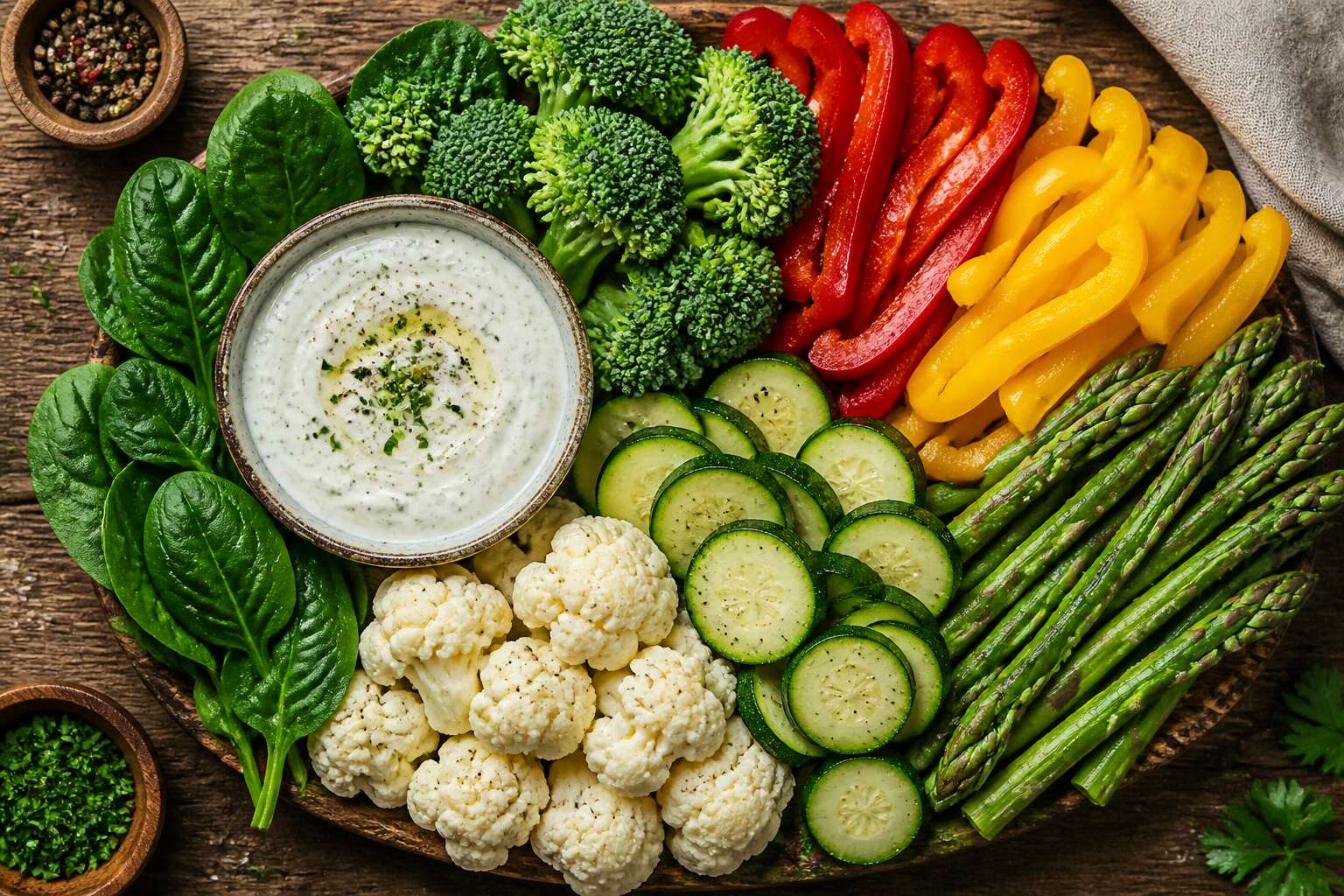
Some veg, like broccoli, cauliflower, and spinach, sit comfortably in this zone. Others, like butternut and potatoes, clock in higher.
The categories worth knowing:
- Leafy greens, almost always safe
- Cruciferous veg, reliable low carb options
- Root veg, usually the heavy carb hitters
Understanding which are low carb vegetables keeps you from carb creep without ditching flavour.
Net Carbs Versus Total Carbs in Vegetables
Veg packaging rarely reveals the whole story. Total carbohydrates on a label count every gram, including the fibre your gut cannot fully absorb. Net carbohydrates subtract that indigestible fibre, leaving the sugars and starches that actually raise blood glucose. For anyone asking which are low carb vegetables, this distinction matters. A cup of boiled pumpkin might show higher total carbs, yet its net load can be lower than you expect because of fibre content. Actual percentages depend on variety, soil, and ripeness.
Consider these examples from a typical South African market:
– Swiss chard and kale, tender leaves with minimal starch
– Cauliflower and cabbage, cruciferous heads with modest sugar
– Baby marrow and patty pans, soft squash with lower net totals
This subtraction changes how you evaluate a meal. Knowing a vegetable’s true net value clarifies which are low carb vegetables for your daily plate. Rather than fearing all vegetables, you can select those whose fibre offsets their natural sugars, allowing a satisfying, glucose-friendly diet without culinary monotony.
Why Vegetable Carb Content Impacts Your Health Goals
Your blood glucose does not care how virtuous a vegetable looks. It only reacts to carbohydrates that survive digestion. For anyone tracking weight or managing insulin, knowing which are low carb vegetables becomes a survival skill, not a diet fad.
Vegetable carbs behave differently. A bowl of leafy greens delivers volume and fibre, while a similar weight of butternut delivers sugar. That difference changes your satiety, your energy, and your next meal choice. I have seen people replace potatoes with sweet potatoes, thinking they made a swap, then wonder why their progress stalled. The nuance lies in the starch.
Top Low Carb Vegetables to Include in Your Diet
Leafy Greens and Their Nutritional Profiles
Nearly every South African household buys spinach weekly, yet few realise that morogo, a wild relative, contains twice the iron per serving. When exploring which are low carb vegetables, leafy greens deserve immediate attention. Their nutritional profiles go beyond simple carb counting, offering phytonutrients like lutein and zeaxanthin that protect cellular integrity.
Consider these common greens and their net carb value per cooked cup:
- Kale: 0.6 grams, with 684 micrograms of vitamin K
- Swiss chard: 1 gram, supplying 960 milligrams of potassium
- Rocket: 0.4 grams, delivering glucosinolates that support detoxification
These figures show why many nutritionists immediately turn to leafy greens when asked for reliable low carb options. The water and fibre content provide satiety without the metabolic spikes common to root vegetables. When your goal involves stable energy, these leaves offer a dependable foundation for every meal.
Cruciferous Vegetables That Keep Carbs Minimal
Some diners treat cauliflower as a pallid stand in for rice, but that misses the point entirely. When determining which are low carb vegetables offer real substance, the brassica family deserve a permanent seat at your table. These plants contain glucosinolates, sulphur compounds that shift how your liver processes certain toxins, a benefit often overlooked in carbohydrate obsessed dialogues.
Consider the humble broccoli crown. A single cup contains roughly 3.6 grams of net carbohydrates, alongside a notable chromium supply that supports glucose metabolism. Cauliflower performs similarly, while providing choline, a nutrient frequently absent in modern South African diets. Brussels sprouts, when halved and roasted properly, offer prebiotic fibre that feeds beneficial gut flora without burdening your daily allowance.
- Broccoli: 3.6 grams net carbs per cooked cup
- Cauliflower: 3.2 grams net carbs per cooked cup
- Brussels sprouts: 3.5 grams net carbs per cooked cup
- Cabbage: 2.9 grams net carbs per cooked cup
These answers to which are low carb vegetables often surprise shoppers who assume all green vegetables share identical nutritional values. Cabbage, the most economical option on this roster, ferments into sauerkraut with minimal effort, producing beneficial probiotics. Romanesco, with its fractal architecture, provides visual intrigue alongside solid fibre content. Even kohlrabi, that alien looking bulb, yields a crisp, apple like texture with only 3.5 grams of digestible carbohydrate per serving. When your weekly menu needs texture contrast or meal variety, these options deliver without derailing your metabolic intentions.
Fresh Produce That Fits Low Carb Guidelines
Fresh produce offers a wider spectrum of low carb choices beyond the brassica family. Zucchini, for instance, delivers only 2.4 grams of net carbohydrate per cup when spiralised, making it a flexible base for hearty dishes. Bell peppers, particularly the red variety, provide 4.1 grams per half cup along with a substantial vitamin C boost.
Mushrooms contain just 1.6 grams of digestible carbs per cup and bring an earthy depth to stews. Asparagus spears, a seasonal favourite in South African markets, sit around 2.4 grams per half cup. These vegetables answer the recurring question of which are low carb vegetables without sacrificing texture or flavour.
- Celery: 1.2 grams net carbs per stalk
- Radishes: 0.8 grams per half cup sliced
- Leeks: 3.8 grams per half cup cooked
Each option expands your menu while keeping carbohydrate intake firmly in check. Diverse colours and textures mean your plate never feels repetitive.
High Carb Vegetables You Should Approach With Caution
A medium potato delivers around 26 grams of net carbohydrates, yet it still occupies a permanent spot in many shopping trolleys. The real question of which are low carb vegetables has an answer that goes beyond leafy greens and brassicas. Green beans deliver 4.3 grams of net carbs per cup. Cucumber slices carry roughly 1.3 grams per half cup. These options keep meals light without turning the menu stale.
Then come the starchier culprits! Sweetcorn approaches 20 grams per half cup. Butternut squash and peas also climb faster than most people expect.
- Green beans: 4.3 grams net carbs per cup
- Cucumber: 1.3 grams net carbs per half cup
- Butternut squash: 10.5 grams net carbs per half cup
That awareness helps you navigate the produce aisle, especially when a seemingly healthy side dish pushes your daily carb count higher than expected.
Practical Ways to Eat More Low Carb Vegetables
Roasting and Grilling Techniques That Enhance Flavor
Roasting transforms humble vegetables into caramelised morsels. A high heat around 200°C draws out natural sweetness. This works especially well for cauliflower, broccoli, and courgette, all of which are low carb vegetables that satisfy cravings without spiking glucose.
Grilling adds a smoky dimension. I find that thick slices of aubergine or peppers placed directly over coals develop a pleasing complexity. The bitter notes fade, leaving a rich, savoury depth.
- Cut vegetables into uniform pieces for even cooking
- Toss generously with olive oil before roasting
- Season with smoked paprika or garlic powder after grilling
Simple techniques yield remarkable results.
Creative Breakfast Options Featuring Vegetables
Breakfast is where vegetable intake often collapses. The morning rush pushes convenience foods, leaving no room for produce. Yet this is exactly when knowing which are low carb vegetables matters most.
I rely on eggs to solve this. A simple omelette filled with sautéed mushrooms and baby spinach takes ten minutes. For batch cooking, whisk eggs with grated courgette and feta, then bake into muffin tins. These hold for three days in the fridge.
Practical combinations to try:
- Sautéed peppers and onions folded into scrambled eggs
- Avocado halves topped with a poached egg and chilli flakes
- Leftover cauliflower rice stirred into a warm bowl with bacon and eggs
South African breakfast tables already feature tomatoes and onions. Use them! A tomato and onion relish over fried eggs adds volume without carbohydrate load. The shift is simple: treat vegetables as the base of the meal, not the garnish. That is the real answer to which are low carb vegetables in a morning context.
Low Carb Snack Ideas for Cravings
When cravings strike, willpower rarely survives. I preempt this by preparing vegetables in advance, keeping them within sight. Knowing which are low carb vegetables matters less than having them ready to eat.
Useful snack combinations:
- Cucumber slices with smoked salmon and cream cheese
- Raw cauliflower with a mustard dip
- Stuffed mini peppers with herbed cottage cheese
These are not recipes. They are tactics. A craving for crunch gets celery, a craving for fat gets avocado. The low carb vegetable becomes the default response, not a second thought.
Meal Prep Strategies to Save Time and Stay on Track
I spend Sunday afternoons with a peeler and a colander. Ten minutes of prep saves me from weekday takeaway orders. The secret is choosing which are low carb vegetables before they enter the fridge. Once I know, I chop cauliflower into florets, slice zucchini into ribbons, and store them in glass jars with damp cloths. This simple act transforms dinner.
For busy days, I rely on a small rotation:
- Roasted eggplant and peppers keep for four days.
- Cabbage slaw with lemon stays crunchy.
- Spinach can be frozen into portions for quick soups.
Batch cooking removes every excuse. When the fridge holds ready vegetables, a low carb meal becomes faster than ordering delivery.
Flavor Pairings That Brighten Naturally Bitter Vegetables
Bitterness often scares people away from vegetables like radicchio, endive, and broccoli rabe. But that edge is exactly what makes them satisfying. A splash of lemon juice or apple cider vinegar cuts through the sharpness. A pinch of salt mellows it. Whisk those with olive oil and spoon over torn leaves for a salad that holds its own.
For warm plates, sauté sliced chicory with garlic and a knob of butter. The heat softens the bite. If you are still unsure which are low carb vegetables, these bitter options all qualify. They deliver fibre and nutrients without raising your carb count. Try a few pairings and notice how taste changes. Here is a quick starting point:
- Radicchio with orange segments and toasted seeds
- Endive leaves topped with blue cheese and walnuts
- Broccoli rabe with chilli flakes and grated pecorino
Once you find a balance, bitter greens become a weekly habit rather than a forced health chore.
Answering Common Questions About Low Carb Vegetables
Are Frozen Vegetables Just as Nutritious as Fresh Varieties
Frozen vegetables often get a dismissive glance, but their nutritional value can rival fresh produce. Studies show that vegetables frozen within hours of harvest retain more vitamin C than those sitting in a fridge for a week. That matters when you consider which are low carb vegetables for your weekly shopping. I have seen too many people overlook the freezer aisle. The freezing process locks in nutrients at peak ripeness, while fresh varieties slowly lose potency.
Consider this when comparing options:
- Frozen spinach and cauliflower keep their fibre intact.
- Fresh broccoli may lose moisture and crunch over time.
- Both work well for a low carb plate.
For South African households, frozen gems like green beans or mixed medleys offer convenience without sacrificing quality. The real question is what you add to them. Sauces and marinades often introduce hidden sugars. Frozen produce simply preserves the vegetable in its original state.
Does Cooking Methods Change the Carb Content
Carbohydrates are stubborn molecules. They survive boiling water, a hot pan, and an open flame without changing structure. What shifts is the water around them. I have weighed raw and roasted cauliflower on the same scale; the difference is always moisture, never carbs. Roasting pulls water out, so a 100 gram portion of cooked cauliflower contains more carbs than the same weight raw. Boiling adds water, diluting the carb density.
This is why the answer to which are low carb vegetables does not change with your cooking method. The vegetable’s own carb count remains identical. Frying complicates things, but only through batters and flour coatings that add their own carbohydrates. The vegetable itself stays consistent. Only the extras alter your plate.
Can You Eat Too Many Low Carb Vegetables
Ask yourself whether you can eat too many low carb vegetables, and the honest answer is yes. Even the most forgiving greens contain carbohydrates. Digestive discomfort often signals the limit before blood sugar does. I once ate a whole head of roasted cauliflower in one sitting. The carb count was modest, but the sheer volume created a different kind of problem. My stomach protested for hours.
A few warning signs appear when you push past your personal threshold:
– Bloating that lingers into the evening
– A sudden distaste for anything green
– Constipation from the fibre spike
For anyone wondering which are low carb vegetables, the question rarely comes down to a single worst offender. The real issue is volume. A plate of greens at dinner serves you well. Ten cups spread across every meal rarely does the same. The difference between benefit and excess is smaller than most people assume.
What Is the Difference Between Starchy and Non-Starchy Vegetables
The distinction between starchy and non-starchy vegetables hinges on how plants store their energy. Starchy types, such as potatoes and mealies, hold glucose in dense formations that resist water. Non-starchy options like spinach or courgette carry more water and fibre, which naturally dilutes their carbohydrate content per serving.
For anyone asking which are low carb vegetables, the starchy versus non-starchy divide offers a practical reference point. A cup of cooked butternut delivers roughly three times the carbohydrate of a cup of cauliflower. That gap becomes significant when you track your daily intake with precision.
South African kitchens often blur the line. Pumpkin and sweet potato appear alongside leafy greens in the same meal. Neither is forbidden, but understanding the structural difference helps you portion accordingly. The question of which are low carb vegetables usually resolves itself once you recognise the energy storage pattern, not just the colour of the produce.
How to Read Nutrition Labels for Hidden Carbs in Vegetables
Most people ask which are low carb vegetables while holding a packet of frozen mixed veg, unsure how much of that is starch. A common answer is that any fresh leafy green, summer squash, or cauliflower will sit comfortably on the low end. But the real trap hides on the label. Packaged vegetables often include thickeners, dextrose, or seasoned coatings that quietly add carbohydrate. Check the ingredient list, not just the table on the back.
Reading nutrition labels requires attention to serving size and the position of “carbohydrate” in the nutrient breakdown. Some products list sugar separately, though others fold it into the total. Look for words like maltodextrin, modified starch, or cane sugar, all of which appear in South African produce packs. A quick scan reveals whether that convenient bag of butternut chunks has been dusted with something extra.
– Look for added sugars under different names.
– Compare the per-serving carbs to a plain raw version.
– Check whether fibre is listed separately or included.
Understanding labels turns “which are low carb vegetables” from a guess into a precise calculation. Once you know where hidden carbs live, choosing the right produce becomes routine.
Which Seasonal Vegetables Work Best for Low Carb Eating
South African seasons dictate which produce lands on your plate at peak quality. During summer months, baby marrows, patty pans, and green beans flood the markets, all low carb vegetable options that need no elaborate preparation. Winter turns attention to cabbage, cauliflower, and kale, crops that tolerate the Cape’s cooler nights and store well without losing crunch.
Consider what a seasonal approach does for your carbohydrate budget:
- Summer baby marrows hold roughly 3 grams of net carbs per cup
- Winter cauliflower stays near 2 grams per serving
- Autumn spinach and spring broccoli keep consistent numbers year round
In my own kitchen, the question of which are low carb vegetables stops being abstract once I match the market stalls to the month. Local produce picked at its natural peak requires fewer sauces and seasonings, which means fewer hidden carb additions.

0 Comments