Understanding the Balance Between Carbs and Calories
Defining a Carb-Conscious Snack
Most diet advice treats calories as a simple tally, but carbohydrates alter how that tally plays out. When carbs are refined, they enter the bloodstream quickly, driving insulin up and energy down. This is why low carb and calorie snacks work differently from merely smaller portions of the same foods. They change the metabolic response entirely!
A carb-conscious snack is defined by its composition. Protein and fibre matter most. They slow digestion and prolong fullness. I have found that a snack which satisfies this definition does not need to be complicated.
- A handful of roasted macadamias or almonds
- Plain Greek yoghurt with a pinch of cinnamon
- Biltong with no added sugar
Each option has fewer net carbs and reasonable energy per serving. The balance between carbs and calories is not a formula. It is a practical judgment about what your body does with the food. Low carb and calorie snacks give you more control over that judgment.
Why Calorie Density Matters
200 calories of crackers occupy a fraction of the plate compared to 200 calories of roasted vegetables. Calorie density describes how much energy sits inside a given weight of food. Water and fibre add bulk without energy. Fat adds energy without bulk. Low carb and calorie snacks require a different approach. What matters is how satisfied you feel per bite.
- Water content: the more water, the lower the density.
- Fibre content: fibre adds volume and slows the release of energy.
- Fat content: fat carries the highest energy per gram.
A snack can be low in carbs yet dense in calories. Nuts, cheese and avocado all fit low carb eating, but their energy per gram is significant. The balance between carbs and calories is about matching energy intake to appetite. The best low carb and calorie snacks satisfy hunger without exceeding the daily energy budget.
The Role of Protein and Fiber
In the shadow of the pantry, the true challenge begins. Most people assume a low carb diet is simply a matter of subtraction, but the real artistry lies in what you add. The balance between carbohydrates and energy is a delicate scale, tipped not by willpower but by the composition of the food itself. For those hunting for low carb and calorie snacks, the goal is to find satiety without the metabolic burden. This requires a nuanced understanding of how macronutrients interact to silence the primal urge to eat.
The pivotal players in this quiet drama are protein and fibre. Protein serves as the sentinel, guarding muscle mass and signalling fullness to the brain through a complex cascade of hormones. Fibre acts as the slow, steady tide, moving through the digestive tract and delaying the absorption of sugars. Together, they form a formidable alliance against the spectre of constant hunger. A snack that features both will temper the anxiety of a restrictive diet.
To achieve this balance, consider the structural components of your snacks:
– Protein promotes the release of satiety hormones, reducing the desire to eat.
– Fibre traps water and slows digestion, creating a prolonged sense of fullness.
– Protein stabilises blood sugar by moderating insulin response.
– Fibre feeds the gut microbiome, which influences cravings and energy regulation.
Without this combination, a snack is merely a fleeting whisper of flavour, leaving you haunted by the need for more. The most effective low carb and calorie snacks are those that prioritise these two elements above all else. A slice of roasted chicken, a wedge of aged cheese, or a portion of morogo cooked with butter are far more effective than a dry protein bar. They offer physical volume and chemical reassurance. The goal is not just to eat less, but to feel the quiet satisfaction that keeps the shadows of the fridge at bay.
Smart Ingredient Swaps for Everyday Cravings
Crunchy Alternatives to Chips and Crackers
A broken crisp leaves a sharp sound in the quiet of an afternoon. The snack aisle promises haste, but its offerings leave a hollow aftertaste. For those seeking low carb and calorie snacks, the pantry answers with a slower crunch.
Thin slices of radish, brushed with oil and baked, become a peppery crackle. Celery stalks, hollow and cold, carry spiced cream. Kale, torn into ragged pieces and roasted, turns brittle and dark.
- Parmesan crisps, baked until lacy
- Zucchini chips, dusted with smoked salt
- Seaweed sheets, toasted to a faint char
These alternatives do not copy the original. They claim their own texture, their own weight.
Satisfying Sweet Tooth Without Sugar Spikes
The average South African eats 24 teaspoons of sugar per day. Much of it arrives through tea, breakfast cereals, and quiet cravings after dark. The palate learns to expect sweetness, yet a quick substitution can reset the bar entirely.
Cinnamon roasted almond pieces offer warmth without weight. Freeze dried mulberries bring a tart snap. Coconut flesh, chilled and cut into slabs, gives a dense chew. For chocolate moments, raw cacao nibs crushed into plain full cream yoghurt answer the call.
- Honey roasted nuts? Too sticky, too sweet. Choose salt roasted.
- Butternut? Too starchy. Opt for a thin slice of papaya instead.
These swaps keep blood sugar steady and register as low carb and calorie snacks. The yearning passes, and the day carries on without the crash.
Creamy and Flavorful Low Carb Dips
Creamy dips often harbour more starch than dairy. Shop bought tubs list maize starch, sugar, and sunflower oil before the pasteurised cream. A food processor and a handful of pantry staples can outperform any commercial offering.
Full cream cottage cheese, blended until smooth, replaces mayonnaise. A ripe avocado, mashed with lime juice and smoked paprika, carries richness. Plain double cream yoghurt, strained overnight, turns into a sour base for garlic and chives.
- Roasted garlic cloves pressed into whipped cream cheese.
- Blended roasted red pepper with buttermilk and a pinch of cayenne.
- Tahini whisked with lemon, water, and minced parsley.
These swaps transform raw vegetables into a lasting meal. Cucumber rounds, celery spears, and cauliflower florets become vehicles for low carb and calorie snacks that keep energy steady until supper.
Baking with Nut Flours and Natural Sweeteners
Baking with nut flours alters the carbohydrate count. I swapped standard flour for ground hazelnuts in a simple muffin recipe, and the texture held a firm crumb that surprised me completely! Natural sweeteners such as monk fruit and erythritol do not behave like sugar, so I adjust liquid separately.
My pantry shelves hold three essentials:
- Fine almond flour for tender cakes
- Desiccated coconut for chew
- Powdered allulose for even browning
These ingredients transform an ordinary afternoon bake into something sturdy enough to carry. A humble pumpkin scone, made with pecan flour and a touch of stevia, proves that low carb and calorie snacks can still taste like a treat.
Choosing Store-Bought Snacks Wisely
Smart swaps begin in your shopping trolley. Reading labels for net carbs and serving sizes reveals hidden sugars. I look for whole ingredients like nuts, seeds, or cheese. These snacks fill gaps without dragging you off course. A simple swap, trading rice cakes for roasted chickpeas, adds protein.
- Total carbohydrates minus fibre
- Protein content per serve
- Fat quality from real sources
That list saves time. It also helps avoid products that spike glucose. When cravings hit, a small packet of biltong or a boiled egg outperforms processed bars. Both provide satiety with minimal fuss. Choosing wisely means you can enjoy convenience without compromising your goals. Low carb and calorie snacks exist in every aisle. You just have to read closer!
Assembling a Satisfying Snack Plate
Pairing Vegetables with Healthy Fats
Assembling a snack plate in South Africa demands balance between flavour and restraint. Pair crisp vegetables with healthy fats to slow digestion and extend satiety. Research at the University of Cape Town shows that avocado, olive oil, and nuts transform raw produce into a satisfying meal.
Try cucumber spears, radish slices, and baby marrow. Add a modest portion of macadamia nuts or a wedge of aged cheese. These pairings balance texture and richness.
- Drizzle rocket with cold pressed olive oil
- Dip celery sticks into full cream cottage cheese
- Top grilled aubergine with tahini
This approach turns low carb and calorie snacks into a deliberate ritual, not a rushed decision. Each bite delivers substance without excess.
Portion Control Techniques That Work
People eat roughly 30 percent more from a large bag than a small bowl, research shows. Portion control for low carb and calorie snacks starts at assembly, not at the table.
Use small bowls and ramekins. Put the larger package back in the cupboard before eating. The visible portion becomes the whole meal.
Practical measures that work:
- Measure nuts with a tablespoon, not a scoop.
- Slice cheese into thin strips, not thick blocks.
- Serve dips in small pots with a set portion.
A useful ratio: half the plate with leafy greens, a quarter with protein like biltong or sliced chicken, and a quarter with the measured fat source. That last portion should fit in your palm. This approach makes portion control a routine you can maintain.
Adding Herbs and Spices for Zero Carbs
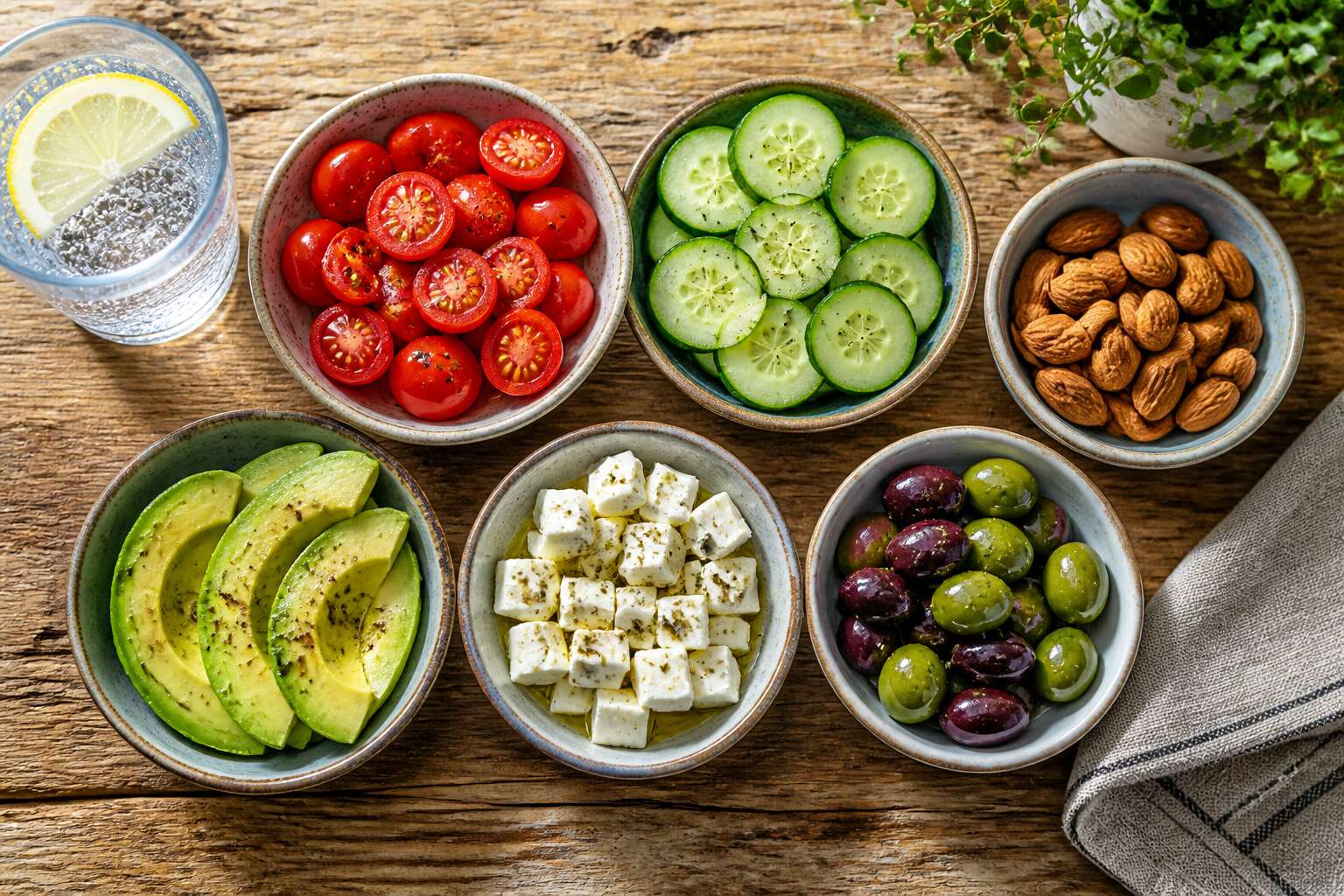
Assembling a satisfying snack plate begins with texture and color. Arrange thin cucumber rounds, cherry tomatoes, and a few olives in a small ceramic dish. The contrast signals a meal, not a nibble. For those tracking low carb and calorie snacks, this visual ritual makes restraint feel luxurious.
Then turn to herbs and spices. A pinch of smoked paprika lends warmth, while dried mint adds a cooling note. Consider these zero carb additions:
- Ground cumin for earthiness.
- Flaked sea salt with celery seed.
- Coriander and chili flakes for a slow build.
A sprinkle of sumac or a twist of black pepper can transform a plain cheese slice into something memorable. Every herb and spice adds depth without altering the carbohydrate count. Low carb and calorie snacks become a practice in sensory pleasure, not sacrifice.
Pre-Packaging Snacks for Busy Days
Assembling a satisfying snack plate pre-packaging snacks for busy days starts with a Sunday ritual. I wash and slice vegetables, measure nuts, and portion cheese into small glass jars. Each jar becomes a promise of control. Low carb and calorie snacks appear effortlessly when the fridge is stocked with these ready containers.
For chaotic mornings, I rely on a simple rotation:
- Hard boiled eggs and a few marinated olives.
- Cucumber sticks with a spoonful of guacamole.
- Smoked salmon rolls wrapped around cream cheese.
This approach cuts decision time and keeps portion sizes honest. The snack plate assembles itself when hunger strikes.
Timing Your Snacks for Maximum Benefit
Pre-Workout Fuel Without Heavy Carbs
Timing turns an ordinary snack into effective fuel, or the reverse. Pre-workout fuel without heavy carbs depends on digestion speed, and that speed shifts with the clock. A snack consumed forty minutes before training should differ from one eaten ninety minutes prior. The stomach processes food at a predictable rate, yet most people ignore this rhythm entirely.
I learned this through trial, error, and several uncomfortable sessions. Your body responds to precision.
- Thirty minutes out: minimal bulk, quick absorption
- Ninety minutes out: slightly more substance tolerated
These low carb and calorie snacks change their value based on when you eat them, so timing becomes part of the strategy.
Post-Workout Recovery Snacks
After training, muscle tissue demands repair, and the body’s insulin response becomes more efficient. That makes the next forty minutes a practical window for low carb and calorie snacks. Eat within that span to support glycogen restoration without adding excess calories.
A recovery snack should combine protein with a modest amount of carbohydrates. A boiled egg with a handful of berries works. String cheese with half an apple does too. The goal is to rebuild without erasing your deficit.
- 30 grams of biltong with a celery stick
- 200 ml of plain kefir with a sprinkle of cinnamon
Ninety minutes after training, a denser snack might suit you, but absorption happens more effectively earlier. The body’s timing matters, and low carb and calorie snacks fit that schedule.
Mid-Afternoon Energy Boosters
The mid-afternoon lull arrives with the punctuality of a Cape Town traffic jam. Energy dips, focus wavers, and the vending machine begins to whisper. This is precisely where low carb and calorie snacks earn their keep.
A snack timed for 3pm works differently from one eaten at noon. Blood sugar has already performed its morning dance, and the body now craves steadiness rather than stimulation. Foods rich in protein and fat release energy gradually, which suits the afternoon’s demands. Consider a few reliable companions:
- Biltong strips
- Babybel cheese
- Roasted salted nuts
These hold their ground without demanding refrigeration or apology. The pattern matters as much as the portion. Those who eat before hunger becomes theatrical maintain composure through the final meetings of the day.
Light Evening Options to Curb Late-Night Hunger
The evening presents its own rhythm. After dinner, hunger often arrives not from need but from habit. Choosing low carb and calorie snacks during this window can prevent the kitchen raid at nine. A small plate of something savory signals to the body that the day is done.
- Two slices of biltong
- A small bowl of olives
- Rooibos tea with a splash of cream
The trick is to eat with intention, not by accident. Others prefer a single square of dark chocolate. What matters is the routine. Once the pattern is set, the late-night craving loses its power.
Mindful Eating and Recognizing Hunger Cues
Hunger follows a pattern. It builds gradually, peaks, then fades. Most people miss the early signs, so low carb and calorie snacks get eaten for reasons unrelated to need.
Ask a simple question: would a boiled egg sound good right now? If yes, that is true hunger. If only something specific satisfies, that is a craving!
- True hunger grows slowly
- Cravings hit suddenly
- True hunger is open to options
Timing matters. A snack two to three hours after a meal stabilises blood sugar before it drops too far. Waiting until ravenous leads to mindless eating. Eating low carb and calorie snacks at that deliberate moment keeps the body steady and the mind clear.
Hydration’s Role in Snack Cravings
The clock matters more than the craving. Snacking on low carb and calorie snacks at the same time each day trains your body to expect fuel. Dehydration often masquerades as hunger. That rumble in your stomach might be thirst. Try water first, then wait ten minutes.
- A steady interval prevents blood sugar cliffs.
- Two glasses of water before a snack cuts portions naturally.
- Clear urine signals true thirst, not false hunger.
When you pair deliberate timing with proper hydration, low carb and calorie snacks become tools, not temptations.
Navigating Real World Situations
Eating Out and Social Gatherings
Research shows that social settings can increase calorie intake by up to 40 percent. The braai and the party platter are where carb-heavy decisions often happen. I have learned to scan the table first. Grilled meat, vegetable skewers, and seafood are reliable choices. For low carb and calorie snacks, I bring a small container of roasted nuts or biltong. This gives me a familiar option without drawing attention.
When ordering at a restaurant, I ask for dressings and sauces on the side. This simple step keeps control in my hands. A few questions to guide your choices:
- Choose grilled or baked dishes over fried ones.
- Request extra vegetables instead of pap, rice, or bread.
- Share a dessert, or skip it for a coffee.
These actions let you enjoy the event while keeping your plan intact. The social ritual matters more than the food, and your low carb and calorie snacks can fit right in.
Travel-Friendly Snack Ideas
Travel days are where good intentions often go to die. The petrol station pie, the airport chocolate, the roadside “just this once” packet of crisps. I have learned to treat a journey like a foraging expedition. Packing a few low carb and calorie snacks before you leave means you are not at the mercy of the first shop you see.
A small cooler bag or a simple insulated lunchbox is your best friend here. Do not rely on willpower at the N1 or the queue at OR Tambo. Preparation wins the day. Think about foods that survive the heat of a bakkie cab or the airconditioning of a plane journey without turning into a mess.
- Biltong and droëwors, for protein that travels well.
- Pre-boiled eggs, still in the shell.
- Small containers of cheese cubes or baby tomatoes.
These choices are robust. They offer nourishment without the crash that comes from a sugary snack. When you arrive, you are not starving and reactive. You have kept the momentum of your plan intact. The journey itself becomes part of the routine, not a break from it. Your low carb and calorie snacks simply tag along for the ride, quiet and dependable.
Sticking to a Budget with Whole Ingredients
The weekly grocery bill in South Africa keeps climbing, yet whole ingredients often cost less than packaged snacks. A bag of apples, a block of cheese, a dozen eggs. These form the base of low carb and calorie snacks that do not drain your budget. The trick is to shop with intention, not impulse.
I stick to a simple rule: buy what grows in the ground, not what comes in a wrapper. Seasonal produce at the local market is cheaper and fresher. When I find a good price on nuts or tinned fish, I buy extra and store it. This approach keeps the budget steady without requiring a calculator.
Budget friendly whole ingredients to keep on hand:
- Farm eggs, which cost less per gram of protein than most meat.
- Cabbage, which goes far in stir fries and slaws.
- Frozen chicken pieces, portioned out as needed.
These staples turn into low carb and calorie snacks without any special equipment or expensive extras. The budget holds because the ingredients are simple.
Adjusting for Dietary Preferences and Allergies
A snack that excludes one person fails the whole table. In South Africa, dietary preferences and allergies are common enough to demand attention. Peanut allergies, lactose intolerance, gluten sensitivity, these all shape what lands on a plate.
When I prepare low carb and calorie snacks for a shared space, I start with a quick question. What needs avoiding? The answer shifts the ingredients! For a nut sensitive crowd, seeds replace almonds. For a dairy free eater, olive oil stands in for cream cheese.
- Use roasted sunflower seeds instead of peanuts.
- Make a hummus base with tahini and lemon.
- Choose hard boiled eggs for a safe protein.
These adjustments do not complicate the plan. They make the snack work for more people. The low carb and calorie snacks still fill the gap. The table stays inclusive.
Reviewing Labels for Hidden Carbs
Labels are where good intentions go to be tested. In South Africa, packaged foods often conceal carbohydrates under names that sound harmless. Maltodextrin, modified starch, even ‘flavourings’ can quietly shift the total. I once grabbed a biltong flavoured snack, confident it was safe. The back of the packet told a different story!
Here is what I scan for:
– Maltodextrin
– Dextrose
– Tapioca starch
These ingredients add carbs without screaming sugar. When I choose low carb and calorie snacks, I read total carbohydrates first, then fibre. The difference gives the real number. Sauces and marinades cause the biggest surprises. A dressing labelled zero sugar can still carry carbs. Label review turns guesswork into certainty.

0 Comments