Basics of a Low-Carb Eating Plan
What qualifies as low-carb guidelines
In a South African kitchen, cravings fade when the plate is balanced—one whispered mantra is, “Cravings fade when the plate is balanced.” Energy returns in sharper tones as carbs retreat, and more households turn to low carb diet foods for steady momentum.
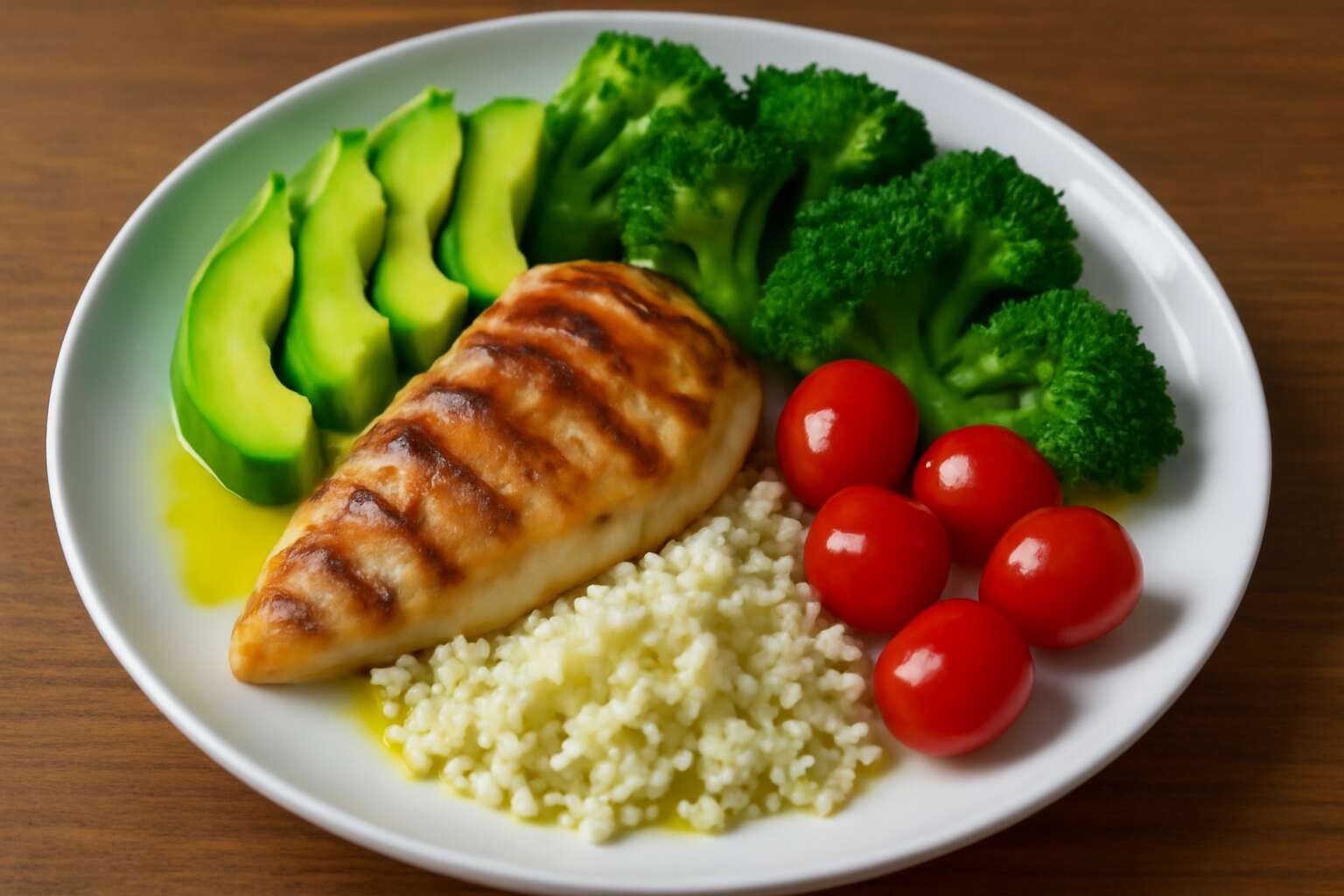
This eating plan centers on balance: fewer refined carbs, more protein, healthy fats, and fibrous vegetables. The aim is a predictable glucose response, not deprivation. You’ll still enjoy meals that feel satisfying—braai-ready fish, crisp greens, creamy avocado.
- Protein-forward options: fish, chicken, eggs, lean beef
- Healthy fats: olive oil, avocado, nuts
- Non-starchy vegetables: spinach, broccoli, peppers
- Dairy in moderation: yogurt, cheese
This approach thrives in South Africa’s markets, where fresh produce and seafood fuel flavorful meals.
Common high-protein low-carb staples
Momentum in a busy South African kitchen comes from balance. When the plate leans toward protein and fibrous greens, energy stays steady and cravings drift away like a lazy Sunday braai queue. In the realm of low carb diet foods, the aim is a predictable glucose response rather than deprivation, so meals feel satisfying—think braai-ready fish, crisp greens, and avocado at the ready.
Common high-protein low-carb staples include:
- fish (grilled or baked)
- chicken (skin-on for flavor, lean cuts if preferred)
- eggs (versatile and budget-friendly)
- lean beef or lamb (sirloin, rump)
Round out the plate with healthy fats and non-starchy vegetables: olive oil, avocado, and nuts for easy flavor; spinach, broccoli, peppers for volume and fiber. Dairy stays in moderation—yogurt, cheese—so portions stay on track. This approach echoes classic South African pantry staples while keeping carbohydrates tame and meals exciting.
Foods to avoid on a low-carb plan
Stable energy wins every day. In South Africa, around 60% of people report steadier energy when sugary drinks are cut. That discipline is the core of low carb diet foods—a straightforward route to a predictable glucose response rather than a cycle of cravings.
Foods to avoid cluster around high-sugar and high-starch categories that quietly undermine a plan.
- Sugar-sweetened beverages
- White bread, pastries, and other refined grains
- Potatoes, white rice, and regular pasta
- Processed snacks with hidden sugars
- Fruit juice and sweetened dairy desserts
Hidden carbs often live in sauces, condiments, and ready meals, so label reading becomes essential. The aim remains a sane, sustainable approach that aligns with everyday eating rather than drastic deprivation.
Reading nutrition labels for carbs and sugar
Strong energy comes from steady glucose, not spikes. In South Africa, about 60% report steadier energy when sugary drinks are cut, a reminder that the right choices shape daily outcomes. Reading nutrition labels for carbs and sugar helps anchor a practical approach to low carb diet foods.
Basics start with the label itself. Look at serving size and total carbs, then weigh that against the portion you’ll actually eat. Check sugars and added sugars, and note dietary fiber, which can soften net carb impact. Hidden carbs lurk in sauces, dressings, and ready meals, so label reading stays essential.
- Serving size
- Total carbs
- Sugars and added sugars
- Dietary fiber
- Ingredients list for hidden sweeteners
Per-serving comparisons across brands help you stay aligned with the plan. When you compare consistently, the glucose response remains predictable and meals feel calmer rather than chaotic.
Core Categories of Low-Carb Foods
Protein sources: meats, fish, and eggs
In South Africa’s kitchens, a plate can glow with protein-forward magic—low carb diet foods that keep energy steady and flavor vivid. “Protein fuels the day,” a chef once whispered, and braai smoke lingers as meats, fish, and eggs anchor the table with quiet confidence, I recognize it at every braai.
These core categories open a pantry of choice:
- Beef, lamb, poultry, and other meats
- Fish and shellfish such as salmon, sardines, and tuna
- Eggs, versatile and protein-dense
From sizzling cuts to ocean bounty and the humble egg, these proteins lend structure to meals without sugar spikes, delivering satiation and sensory delight that elevates everyday dining into a restorative ritual.
Non-starchy vegetables and greens
“Green on the plate is the loudest defense against sugar spikes,” a local chef once said. In South Africa, non-starchy greens anchor meals, offering steady energy without the glucose roller-coaster. These greens are a defining feature of low carb diet foods, quiet but persistent in flavor and texture.
Non-starchy vegetables and greens form the core of this category. They deliver fiber, micronutrients, and aroma with minimal carbs, letting meat, fish, and eggs shine without dilution. Here are staples that travel well in SA kitchens:
- Spinach and morogo (leafy greens)
- Kale and broccoli
- Cauliflower, zucchini, cucumber
- Green peppers and lettuce
Beyond texture, these vegetables introduce color and earthy sweetness that support satiety in the long day. They’re versatile across braai sides, stews, and fresh salads, making low carb diet foods approachable for every table in South Africa.
Healthy fats and cooking oils
Fats aren’t the villains they used to be—flavor travels on olive oil’s back. In SA kitchens, the right fats lift low carb diet foods from bland to brilliant without sending blood sugar on a roller-coaster. I’ve learned that a pantry stocked with healthy fats makes weeknights zing and braais bold, all while keeping the carbs in check.
- Olive oil (extra virgin) for dressing
- Avocado oil with a high smoke point
- Butter or ghee for caramelization
- Coconut oil for a tropical wink
- Sesame oil for a nutty finish
Each oil has a personality—dress with olive oil, sizzle with avocado oil, or finish with a knob of butter. Coconut oil brings a tropical wink, sesame a nutty flourish, all while keeping the numbers friendly.
Dairy and dairy substitutes
A velvet line runs through the dairy aisle, where richness meets restraint in the realm of low carb diet foods. In South Africa, my kitchen keeps dairy staples at the ready—cheese, cream, yogurt—without tipping the carb scales. Feta’s salt, butter’s ribbon, and cream’s velvet whisper turn weeknights into memorable moments, and I savor every controlled, comforting bite.
- Cheeses: cheddar, feta, brie—rich and protein-packed to satisfy
- Yogurts: unsweetened plain yogurt or cultured options for tang and texture
- Butter and cream: for caramelization, mouthfeel, and sauces
- Dairy-free substitutes: almond milk, coconut yogurt, cashew cream—creaminess without the carbs
Let these dairy paths, paired with careful portioning, guide your palate through a lush landscape where flavor flourishes and carbs retreat.
Nuts, seeds, and snack ideas
Crunch holds a quiet creed in rural kitchens, and I find nuts and seeds anchor the palate when carbs retreat. In South Africa, my pantry stays stocked with almonds, macadamias, chia and pumpkin seeds, turning everyday snacking into small rituals. These foods bring protein, fiber, and healthy fats, letting a simple bite feel like a rooted, comforting harvest. The flavors range from toasted and salty to earthy and bright, proving that low carb diet foods can be generous in texture and soul.
- Almonds and macadamias
- Pumpkin seeds
- Sunflower seeds
- Chia and flax seeds
- Biltong (sugar-free where possible)
- Nut butters on cucumber slices
These core categories invite abundance rather than sacrifice, inviting cooks to weave seeds and nuts with herbs and a touch of olive oil for quick, satisfying bites that respect carb boundaries.
Strategies for Choosing and Storing Low-Carb Items
Smart grocery shopping for lower-carb options
Smart grocery hunting for low carb diet foods in South Africa demands a steady aim and a lighter wallet. A sharp hook: fresh, perishable wins over flashy packages every time. When choosing them, plan a clean route—lean proteins and greens on the outside, staples on the inner shelves, and sauces kept to a polite minimum. Trust your nose and your label-reading prowess to dodge sneaky sugars.
- Fresh proteins from trusted counters
- Frozen vegetables with no added sauces
- Canned fish, olives, and pickles with clean labels
- Dairy options with minimal additives
Storage tips are less about drama and more about keeping quality intact: buy in sensible portions, refrigerate promptly, and freeze leftovers in clearly labeled portions. Use airtight containers to minimize waste and keep freshness humming, especially in warmer SA climates where every day counts.
Low-carb swaps for common foods
Choosing and storing low-carb items starts with clarity. Read labels, seek simple ingredients, and avoid hidden carbs. Buy sensible portions and store in airtight containers; this limits waste and preserves freshness. In warmer SA months, clearly labeled leftovers and portioned freezer packs keep quality intact. Smart choices!
- Wraps and sandwiches with large lettuce leaves instead of bread
- Pasta swapped for spiralised zucchini or cauliflower
- Rice swapped for cauliflower rice or konjac rice
- Sweet snacks swapped for cheese, olives, or biltong in moderation
That approach keeps low carb diet foods approachable and practical for everyday South African households.
Fresh vs frozen: optimizing nutrition and cost
South Africa’s fridges are buzzing with cauliflower crowds and clever swaps—the quiet revolution of low carb diet foods. ‘Less sugar, more flavor, more control,’ says a local dietitian, and the pantry is answering the call with colorful, inventive options.
Fresh vs frozen: both shape nutrition and cost. Fresh offers brightness and texture when in season; frozen preserves nutrients and reduces waste, a boon in busy weeks. In warmer SA months, storage and portioning influence quality more than ever.
By weighing freshness against convenience and price per portion, South African households can sustain a vibrant low carb diet foods lifestyle that travels from city kitchens to country braais.
Shelf-stable pantry staples for low-carb cooking
A pantry stat keeps me honest: three in four SA households reach for shelf-stable options before the fridge when dinnertime looms. Strategies for choosing and storing low-carb items hinge on long shelf life, clear labels, and minimal additives. Seek low carb diet foods that tolerate heat and stay tasty after opening.
- Canned fish (tuna or sardines) in oil
- Olives, pickles, or fermented veggies
- Unrefined oils: olive, avocado, coconut
- Unsweetened coconut milk or cream
Label literacy matters more than glamour: check net carbs, watch hidden sugars, and rotate stock so nothing lands in the fossil bin. With a tidy system, these shelf-stable staples power low-carb cooking through weeknights and braais alike, flavor intact.
Meal Planning, Cooking, and Practical Low-Carb Recipes
Weekly meal planning templates and tips
Plans that sing save the week from hunger’s rush! In South Africa’s sunlit kitchens, a craft of rhythm emerges: a map of pockets of protein, greens, and healthy fats.
Meal planning templates keep decisions light and a pantry honest. A simple frame emerges—protein-forward dinners, greens at every turn, and coconut oil glinting in the pan—then ideas are rotated to fit fresh market finds. This is where low carb diet foods become daily poetry.
Cooking becomes choreography: quick sautés, batch-cooked staples, and flavor-forward sauces that lift meals without added carbs. Weekly prep seasons life with calm, not chaos.
Quick low-carb breakfasts to start the day
There’s a quiet magic in mapping meals before the week begins—a rhythm that keeps hunger from hijacking your day. “Meal planning is a superpower,” say SA cooks, and the proof shows in calmer weeknights and fewer takeouts. A simple frame—protein-forward dinners, greens at every turn, and healthy fats—lets the pantry sing with low carb diet foods.
Cooking becomes choreography: quick sautés, batch-cooked staples, and flavor-forward sauces that lift meals without adding carbs. A couple of citrusy pan sauces and a garlic-herb drizzle do wonders. This prep calms busy nights and keeps the fridge stocked with ingredients you actually reach for.
Quick low-carb breakfasts to start the day—here are a few crowd-pleasers:
- Egg muffins with spinach and feta
- Avocado, smoked salmon and capers boats
- Full-fat yogurt, chia and berries with a nut crunch
Lighter lunches and dinners with satisfying flavors
Weeknights in SA kitchens used to peak with takeout chaos, until meal planning became the secret weapon—slashing last-minute dinners by about 40%. The trick? A simple frame: protein-forward meals, greens on every plate, and the right fats. These low carb diet foods keep hunger honest and energy steady.
Cooking becomes choreography, built on batch-cooked staples and flavor-forward sauces. A quick shelf check yields:
- Batch-cooked proteins (chicken, fish, tofu)
- Cauliflower rice or spiralized veggies
- Bright citrus pan sauces or garlic-herb drizzles
Lighter lunches and dinners prove you can crave comfort without blowing your macros. Build greens-forward bowls with a protein, avocado, and nuts for satisfying flavour.
Snacks and desserts with reduced carbs
South Africans juggle busy schedules with a clear aim: nourishment that travels well through the week. A steady meal plan can cut weeknight takeout by roughly 40%, turning chaos into calm—an observation I’ve seen in homes across the country. The frame is straightforward: protein-forward plates, greens on every plate, and the right fats—steady energy and true satisfaction through low carb diet foods.
I’ve learned that cooking becomes craft rather than a rush. Think bold flavors, sauces born from pantry staples, and textures that linger long after the plate is cleared. When meals feel thoughtful, cravings soften and macros stay in check without feeling restrictive.
- Almond-butter on crunchy celery sticks
- Cheese and olive skewers for easy grazing
- Chia seed pudding with almond milk and vanilla
Batch cooking and meal-prep strategies
Across South Africa, a disciplined meal plan pays off in calm kitchens and fuller evenings. A recent survey shows households with a plan cut weeknight takeout by around 40%, proving nourishment can travel well through the week. The frame stays protein-forward, greens on every plate, and energy-sustaining fats—the essence of low carb diet foods.
I’ve learned that cooking can become craft rather than rush. I lean into bold, pantry-born sauces, textures that linger, and smart pairings that keep cravings quiet. Batch planning lets you pull together meals with minimal fuss, yet maximum flavor, every day.
Practical low-carb recipes thrive on simplicity: bulk-protein repurposing, quick sautéed greens, and versatile sauce bases that reimagine leftovers into new plates. The result is meals that feel intentional, satisfying, and easy to repeat through a busy week.



0 Comments